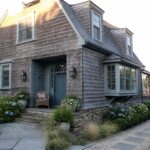
I have noticed over time that the best exterior schemes for Craftsman homes balance the main body color with accents that respect the original woodwork and trim details.
Many people overlook how roof color and foundation stone play into the overall effect from the curb.
Samples help more than swatches ever could.
The timeless quality comes from picking shades that do not fight the natural aging of the materials.
In my own experience a few adjustments to the trim tone can shift the whole feel without a full repaint.
Pairing Soft Green Siding With Warm Shingles

Many Craftsman homes sit better when the main walls stay in a quiet green. This keeps the focus on the wood shingles above and lets the whole house feel settled into its setting instead of trying to stand out.
The combination works best on houses with deep overhangs and simple trim. Adding stone at the base helps anchor the colors and stops the green from looking too cool on its own.
Soft Neutral Siding With Dark Trim

A soft neutral siding color keeps the main body of a Craftsman house from feeling heavy while still giving it weight. The dark trim then sharpens the lines around windows, eaves, and porch posts so the whole front reads clean and balanced.
This approach works best on homes that already have stone or brick somewhere on the exterior. Pick a warm taupe or gray-green for the siding and a near-black for the trim. Avoid anything too cool or too light, or the contrast starts to look harsh instead of timeless.
Earthy Brown Siding For Craftsman Homes

A warm reddish brown works well as the main color on a Craftsman house because it feels solid and natural at the same time. It keeps the whole exterior from looking too stark while still showing off the rooflines and window details.
This color pairs best with stone on the porch columns and darker trim around the windows and eaves. It suits homes that already have wood and stone elements and gives the front a settled look without needing bright accents.
Earthy Colors on a Craftsman Porch

A simple way to get that settled Craftsman look is to use a warm brown siding with green trim and stone at the base. The colors sit comfortably together and do not fight for attention, which is why this kind of scheme still feels right years later.
Try the same range on your own porch if the house already has wood siding and some stonework. Keep the trim color soft so the wood tone stays the main note, and add just one or two metal pieces like a lantern or copper pot to catch the light without adding more color.
Pergolas Over Gravel for Simple Outdoor Dining

A pergola can turn a basic gravel patch into a usable outdoor dining spot without a lot of upkeep. The dark stain on the wood helps it blend with the house siding, while the open structure lets light through but still gives some shade and a sense of enclosure.
This setup works best on homes with deep earthy exteriors where you want the outdoor area to feel connected rather than separate. Keep the furniture simple and weatherproof, and make sure the pergola is sized to fit a table and chairs with room to walk around.
Muted Green Siding With Dark Brown Trim

A soft green like this one keeps the house from feeling too heavy while still giving it presence. The dark brown trim around the windows and porch posts adds definition without fighting the color, which is why the whole front stays balanced even with the strong roofline and columns.
This combination works best on Craftsman homes that already have clear trim details and a simple shape. It pairs well with brick bases and natural plantings, but it can look flat if the trim color is too close to the siding or if the house sits in full shade all day.
Deep Green Trim With Natural Wood Siding

Many Craftsman homes gain a settled, timeless look when the trim is painted a deep olive green. The color lets the wood siding keep its natural variation while still giving the windows and rooflines clear definition.
This works best on houses that already have copper flashing or other metal details. The green sits comfortably next to those warmer tones and prevents the overall palette from feeling too brown or flat. Use it on homes with strong gable lines and simple window shapes so the trim reads as intentional rather than fussy.
Blending Gray Siding With Stone and Wood Accents

Many Craftsman homes look settled when the main siding stays in a soft gray. The color lets the wood trim and stone bases carry more weight without making the whole house feel heavy.
This works best on homes that already have a solid porch and overhangs. Keep the trim a few shades darker and let the stone stay natural so the palette stays simple and easy to live with over time.
Warm Yellow Siding With Dark Trim

A soft yellow paint on the siding gives a Craftsman home a welcoming look that still feels grounded. The color works because it stays within the earthy range while letting the dark wood trim and brackets stand out clearly.
This approach suits older homes that already have strong architectural lines and wood details. Keep the trim and accents in a deep brown or charcoal so the yellow reads as intentional rather than pastel, and let foundation plantings help tie the whole front together.
Green Trim On Warm Stucco Walls

A deep green on the trim and porch posts stands out nicely against the warm stucco on this Craftsman home. The color choice keeps the whole front from feeling flat while still looking natural next to the stone bases and surrounding plants.
This approach works best on homes with simple rooflines and plenty of wood or stone details. It suits wooded lots or older neighborhoods where you want the house to blend in without disappearing. Just keep the green on the deeper side so it holds up against changing light.
Warm Earthy Siding With Stone Details

This siding color stands out because it feels settled and natural instead of trying too hard. The warm reddish brown picks up the tones in the stone walls and dark wood structure, so the whole front looks like it belongs together.
It works best on Craftsman homes that already have some stone or heavy wood trim. Keep the trim and beams in a darker shade and let the stone handle the grounding so the color does not feel too bold on its own.
Dark Siding With Warm Trim

Many Craftsman homes gain a lot from keeping the main siding dark and letting the trim carry a warmer tone. The deep gray walls make the house feel solid, while the golden brown trim around the door and windows adds just enough contrast to keep things from looking flat.
This combination suits homes that already have wood siding or stone details at the base. It works best when the trim color stays earthy rather than too bright, and it pairs naturally with a simple wood door and minimal porch furnishings.
Red Siding With Dark Trim On Craftsman Homes

A deep red on the main siding gives a Craftsman house real presence without looking showy. The color holds up well against the style’s heavy rooflines and exposed beams, and it feels like it belongs in most neighborhoods.
This approach works best when the trim stays dark and the foundation details stay natural, like stone or brick. It suits homes that already have a simple shape and a front porch, since the red adds warmth while the dark accents keep everything grounded.
Deep Earth Tones on the Siding

A deep muted tone on the main walls gives a Craftsman house real weight without looking heavy. It helps the structure sit nicely into its surroundings and lets the roofline and beams stand out in a quiet way.
This approach works best on homes that already have strong trim details and solid porch columns. Keep the lighter shade limited to those areas and the eaves so the dark color stays the main feature rather than getting broken up too much.
Green With Stone On Craftsman Exteriors

Green paint on the trim and posts works especially well when the lower sections of the porch are built in stone. The mix gives the house a settled look that fits the Craftsman style without feeling heavy or overly dark.
This combination suits homes that already have stone or similar natural materials. Use a muted green rather than a bright one, and let the stone handle most of the texture so the colors stay balanced over time.
Green Siding with Stone and Wood Bases

Many Craftsman homes gain a settled look when the siding stays in a soft green that blends with the landscape. The color feels calm next to the gray roof and lets the natural materials stand out without competing.
This approach works well on homes with deep porches and visible structure. Keep the stone piers low and solid, then let the wood columns rise in a warm tone that matches the trim. It suits wooded lots or older neighborhoods where you want the house to feel part of the setting rather than set apart from it.
Dark Stained Wood Siding

Many Craftsman homes gain a quiet strength when the main siding gets a deep wood stain. The dark tone settles the whole front and lets the roofline and beams stand out without extra effort.
This works best on houses that already have stone or brick at the base. Keep the trim and door in a warmer wood tone so the dark siding does not feel flat. It suits older neighborhoods or lots with trees where a softer contrast feels more natural than bright paint.
Dark Earthy Siding With Stone

Many Craftsman homes gain a settled look when the main siding color stays deep and muted. A dark gray brown like this one lets the stone chimney and base read as the stronger feature while the rest of the house stays quiet.
This color choice works best on homes that already have clear rooflines and natural materials nearby. Keep the trim light and avoid adding too many extra colors so the stone and siding can carry the scheme.
Frequently Asked Questions
Q: My Craftsman has a lot of wood trim already. Which colors from these schemes will make it pop without clashing?
A: Go with a deep taupe or warm olive for the main body. These tones sit back nicely and let the wood stand out on its own.
Q: How can I test a color before committing to the whole house?
A: Paint big sample boards and lean them against the siding. Check them at different times of day to see how the earthy hues shift in the light.
Q: Do these timeless schemes need special paint for the exterior?
A: Regular high quality exterior paint works fine. Just make sure it has good UV protection so the rich tones stay true over the years.