Craftsman homes stand out because their porches and rooflines create a grounded look that still works on many streets today.
Restoring the original siding and window details often brings back a sense of proportion that newer additions tend to miss.
Scale matters most.
Trying to copy just one or two of those elements at home can shift how the whole place reads from the curb.
It helps to focus on the smaller choices like door hardware or porch posts since those hold up over time without much upkeep.
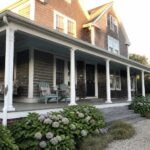
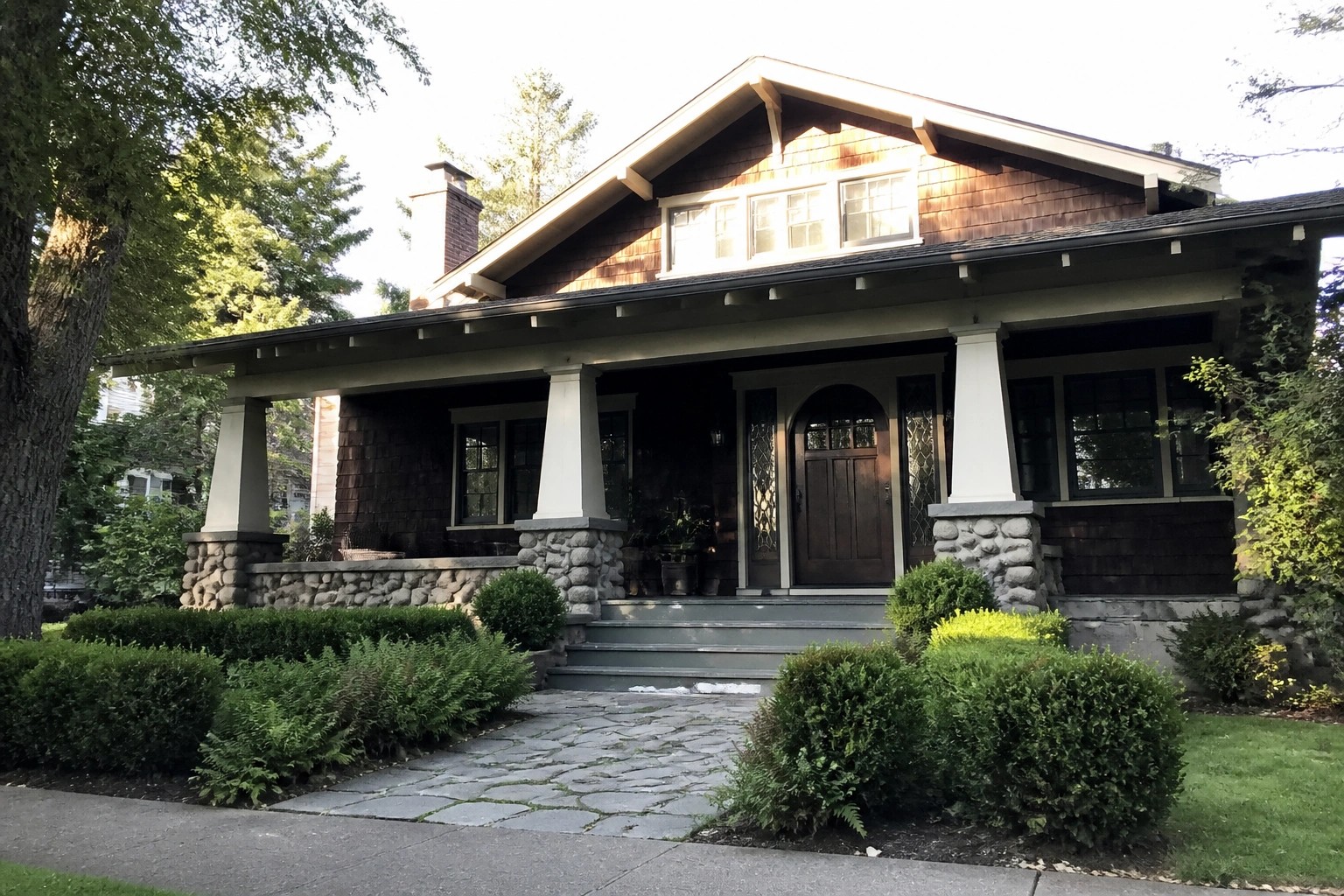
Stone Piers for the Porch Columns
Stone piers at the base of the porch columns add real weight to the entry. They keep the whole front from feeling too light and help the house sit more firmly on the ground, which fits the Craftsman style well.
This approach works on homes that already have wood siding and a simple roof overhang. Match the stone to the foundation or any chimney work so the materials stay consistent rather than competing.
Built-In Bookshelves Around The Fireplace
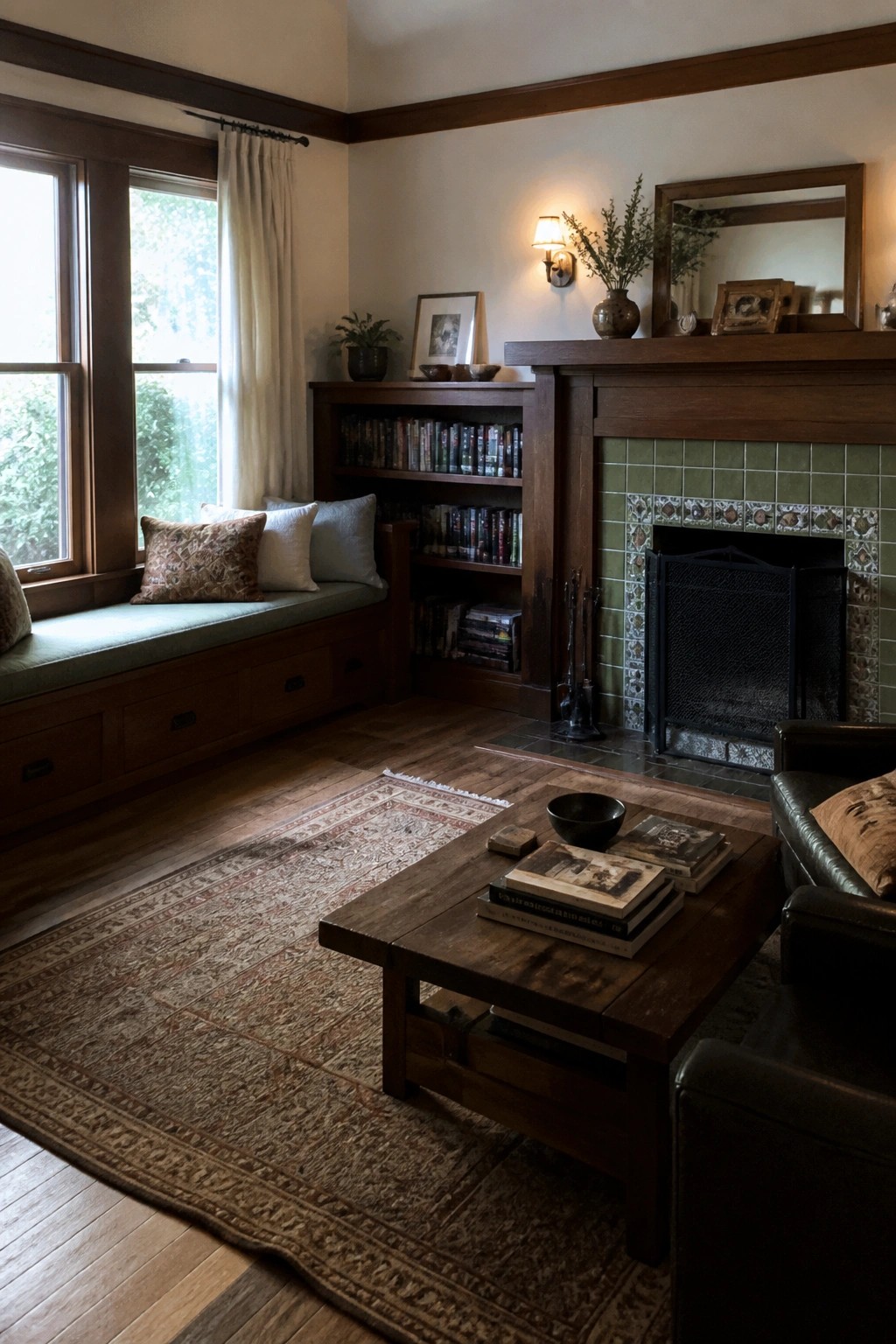
Built-in bookshelves that sit right beside a fireplace give a room both storage and a settled look. They keep books and small items in one place without adding extra furniture that can crowd the space.
This setup works best in homes with strong wood trim and simple lines. Match the shelf height to the mantel so the whole wall feels like one piece, and use the lower cabinets for things you reach for often.
Open Shelving on Kitchen Islands
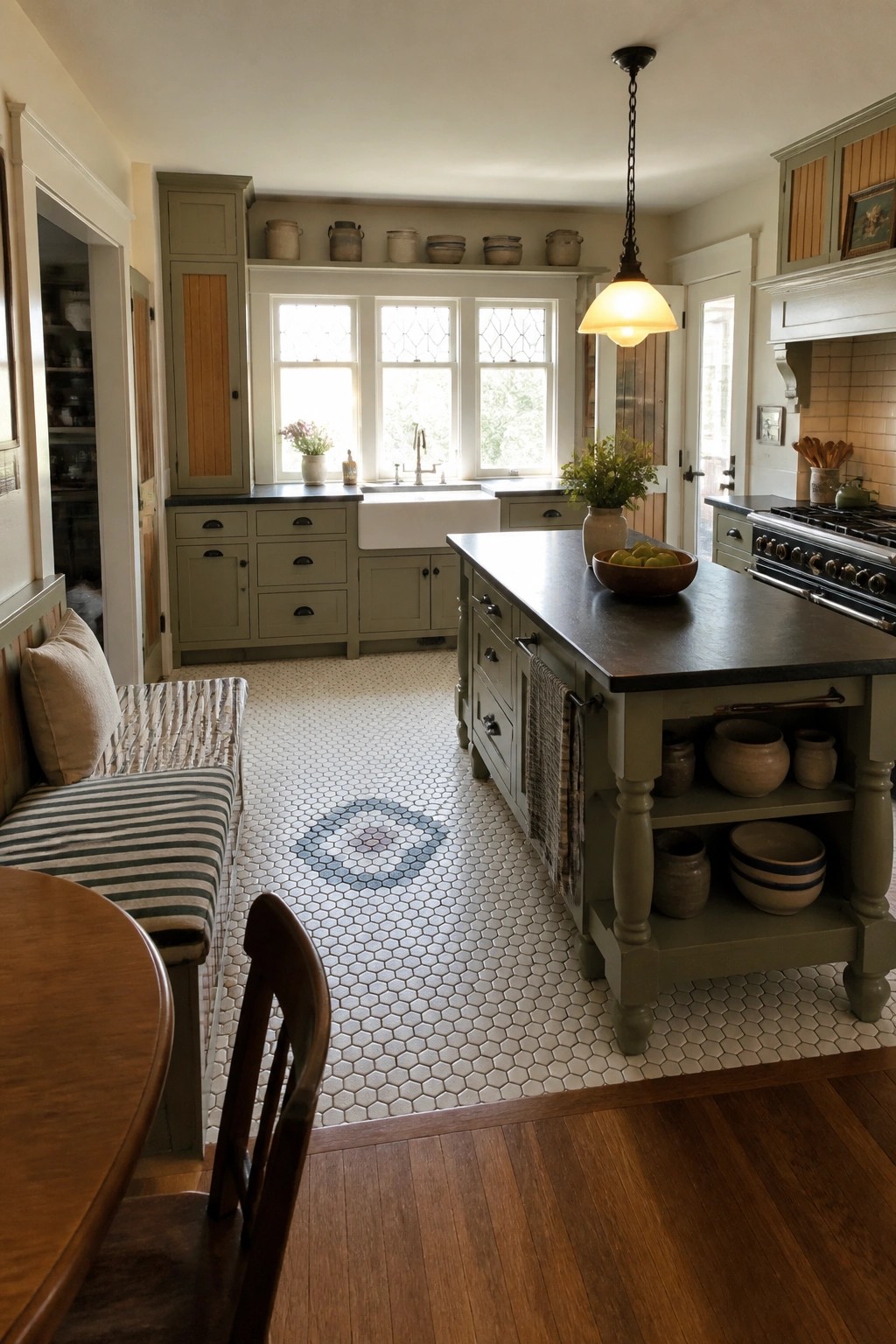
Many older kitchens gain a lot from adding open shelves to the sides of the island. It keeps pots, bowls, and everyday pieces within reach while cutting down on the need for more closed cabinets that can make the room feel heavy.
This setup suits homes where the kitchen connects to dining or living spaces. Keep the shelves lightly stocked so they stay useful rather than crowded, and choose a finish on the island that matches the rest of the cabinetry.
Built-Ins That Work With the Dining Setup
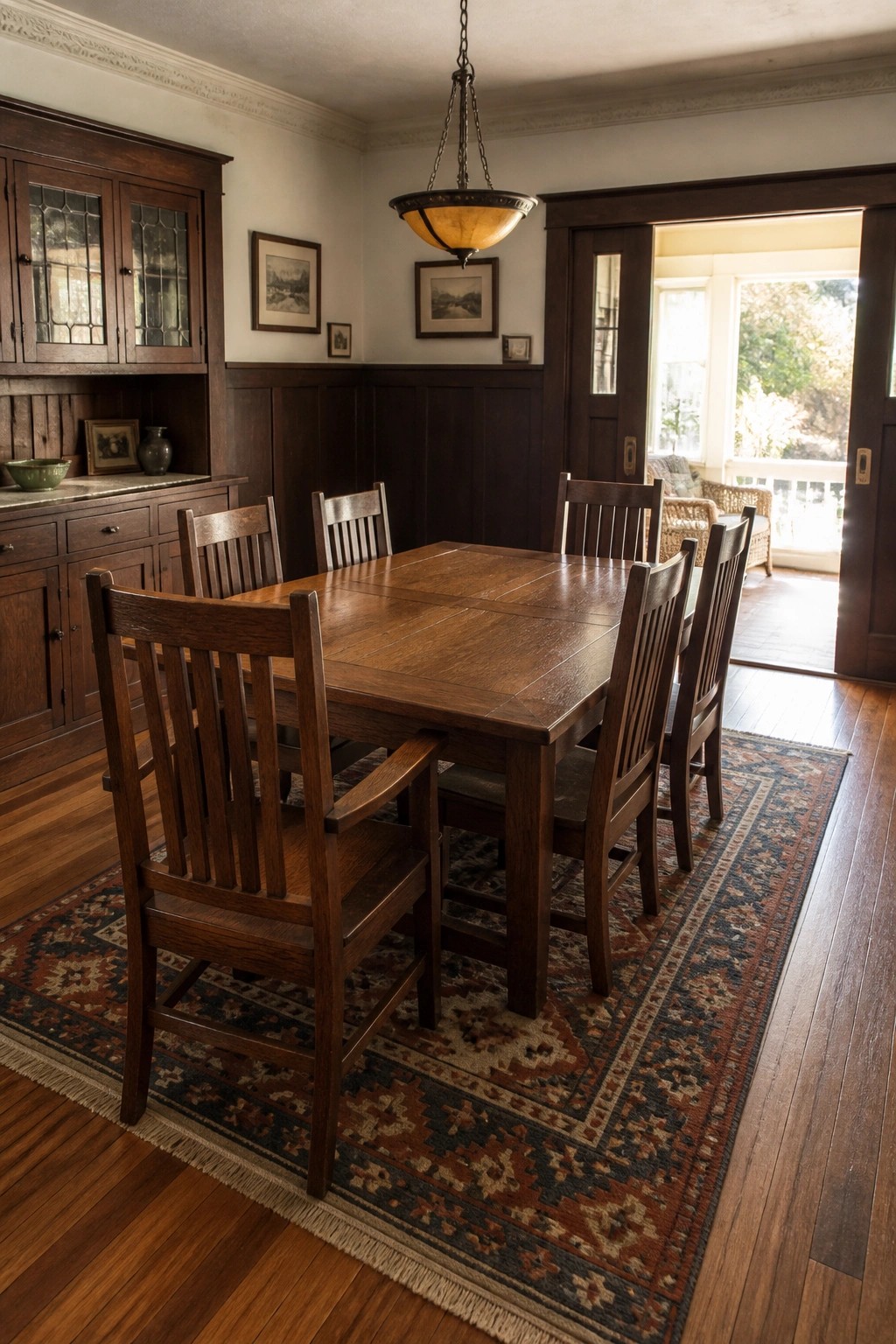
Built-in cabinetry along one wall gives a dining room both storage and a stronger sense of place. In restored Craftsman homes it keeps the focus on the wood and the table without adding extra furniture that can crowd the space.
This approach works best when the cabinet finish matches the table and trim. It suits homes where you want everyday dishes or serving pieces close at hand but still out of sight. Just make sure the scale of the built-in stays in proportion to the room so it does not overpower the seating area.
Built-In Shelving Above The Bed
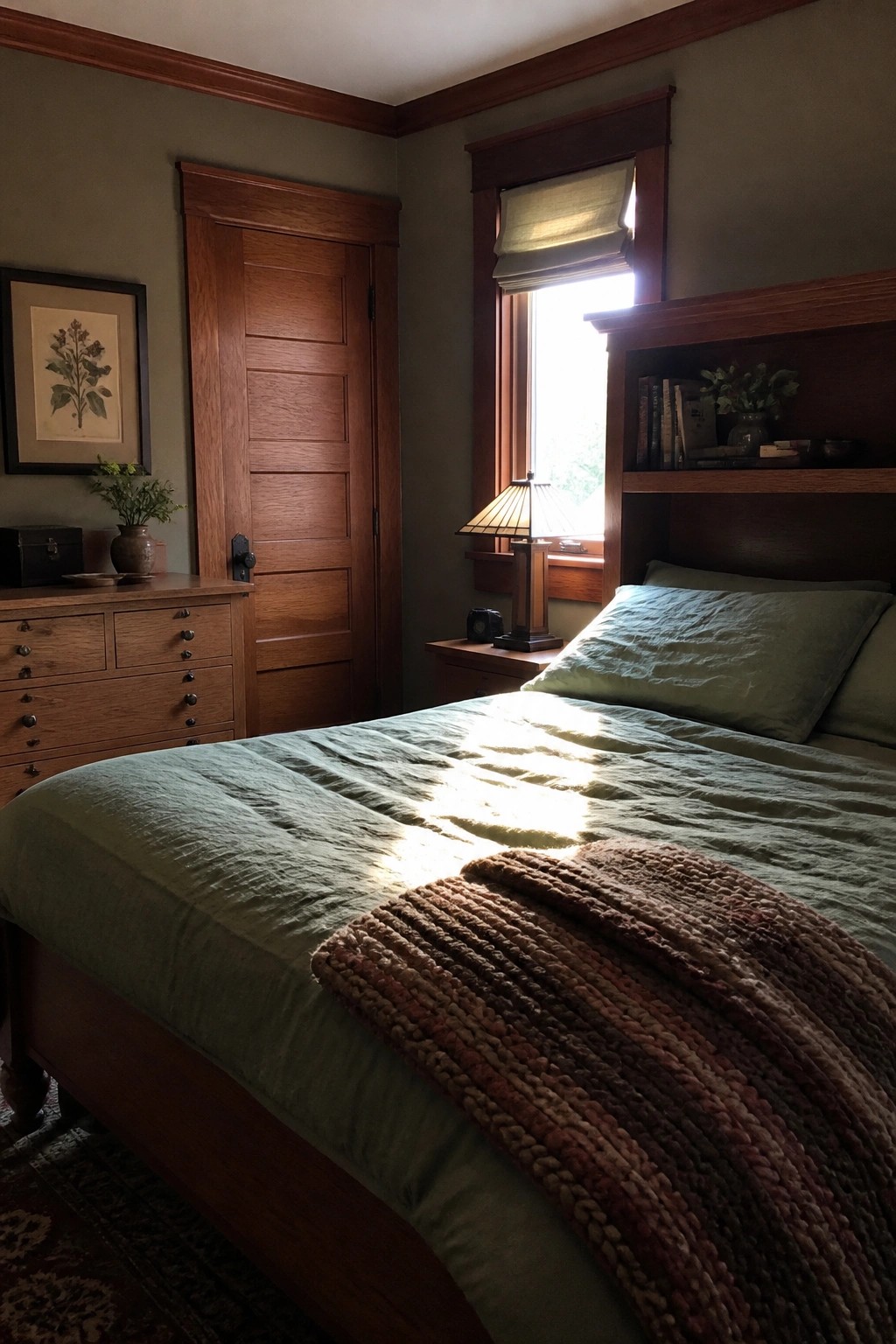
Built-in shelves right above the bed give a bedroom extra storage without crowding the floor. In restored Craftsman homes this detail keeps the space feeling open and adds a practical spot for books or small plants.
It works best in rooms with higher ceilings where the shelf sits clear of the headboard. Keep the items light so the shelf does not feel heavy, and match the wood tone to other trim in the room for a quiet, consistent look.
Wood Vanities In Tiled Bathrooms

Many older homes add a wood vanity to a bathroom full of white tile. It brings warmth and real storage while keeping the space from feeling too cold or clinical.
This works best in homes that already have classic tile work and want to hold on to that Craftsman character. Mount the vanity on the wall so the floor stays open and easy to clean.
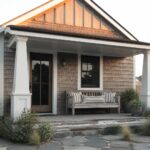
Built-In Benches Add Storage to Porches
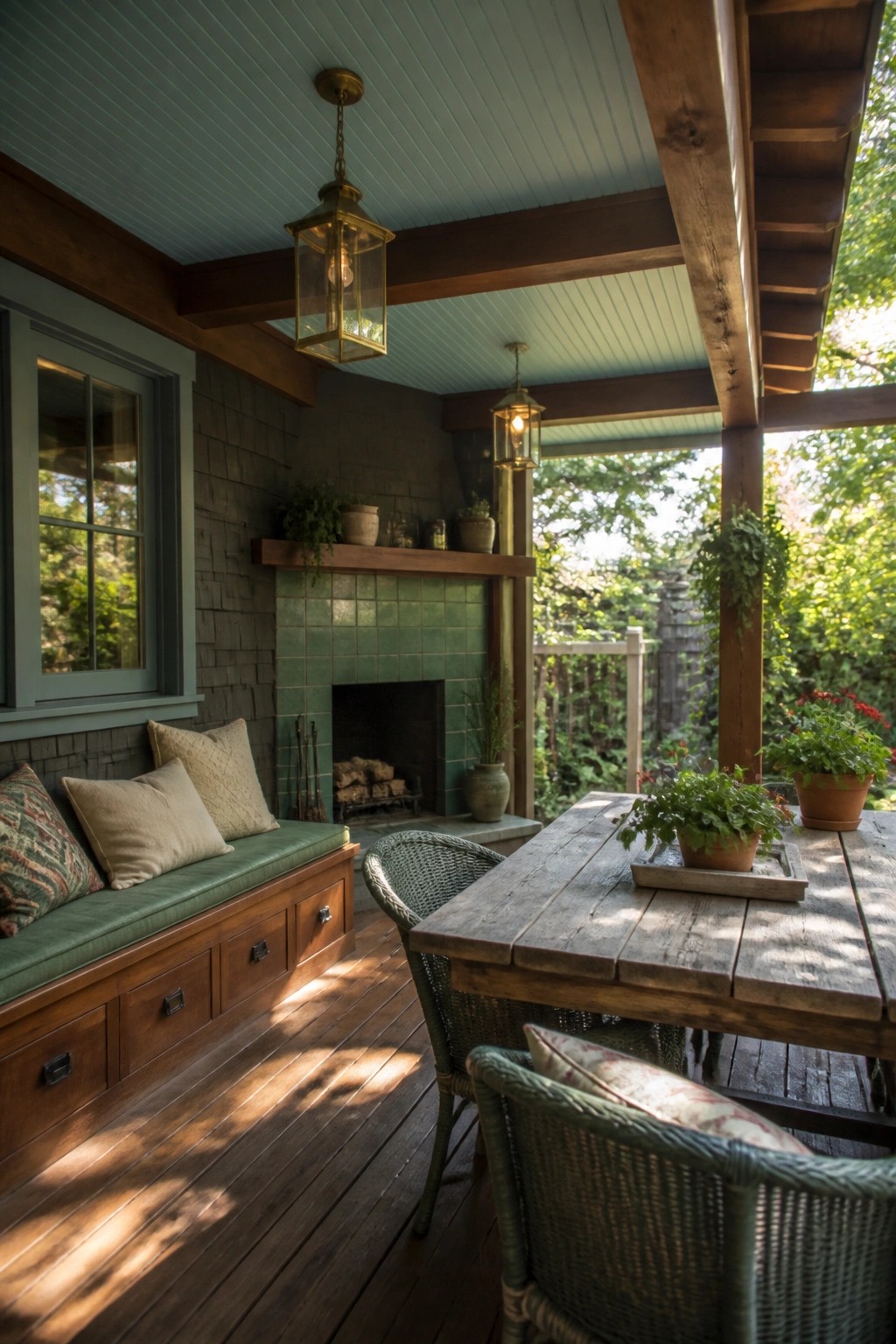
One way to keep a porch comfortable without crowding it with loose furniture is to add a built-in bench with drawers underneath. The seating stays in place, and the storage holds cushions, blankets, or small tools so the floor stays clear for walking or extra chairs.
This setup works best on homes where the porch gets daily use. It suits Craftsman styles especially well because the bench can be built to match the wood trim and siding already on the house. Just make sure the drawers have good seals if the space is open to weather.
Built-In Desks That Match The Original Woodwork
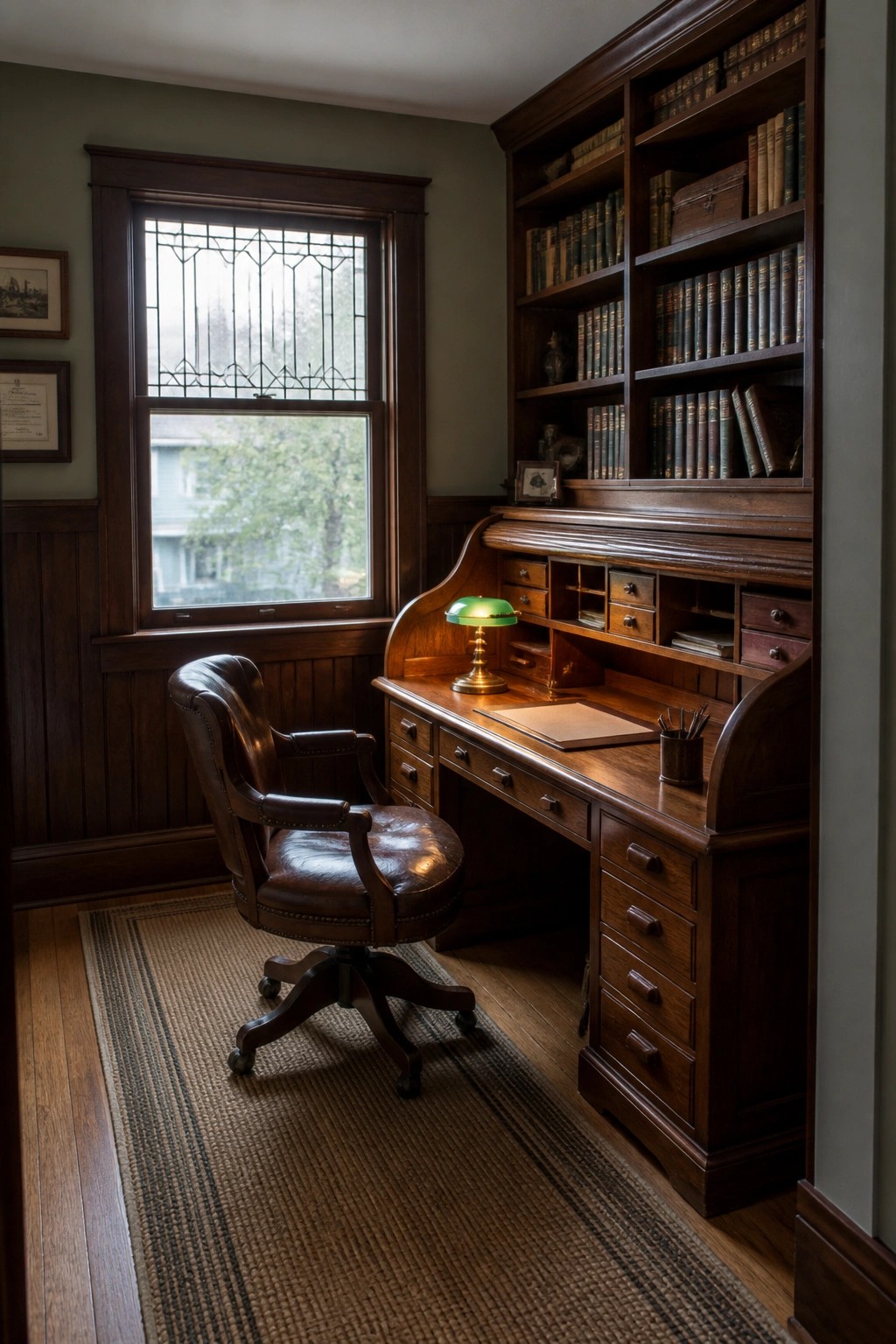
A built-in desk with tall shelves above it gives a study a finished look without taking up extra floor space. In Craftsman homes this kind of cabinetry feels natural because it repeats the same wood tones and simple lines already used on doors and trim.
It works best in a quiet corner that already has good natural light. Keep the finish close to the existing woodwork and add only a few drawers so the piece stays practical rather than fussy.
Built-In Storage In The Entry
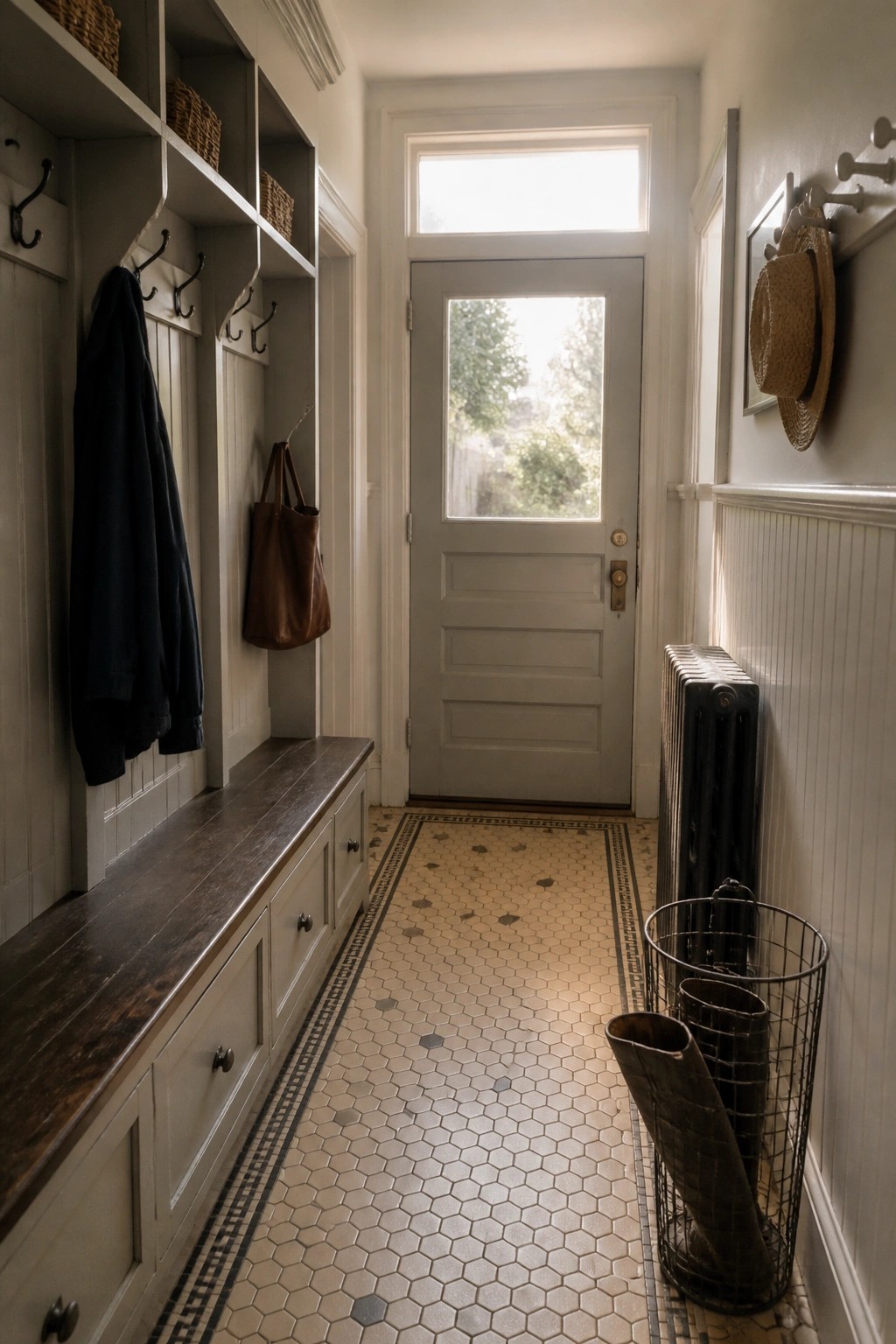
Many restored Craftsman homes add built-in cubbies and a bench right inside the front door. This keeps coats and bags off the floor while making the narrow space feel more finished and useful.
The bench gives a spot to sit while putting on shoes, and the drawers below hide the usual clutter. It suits homes with a small entry hall where every inch needs to work harder.
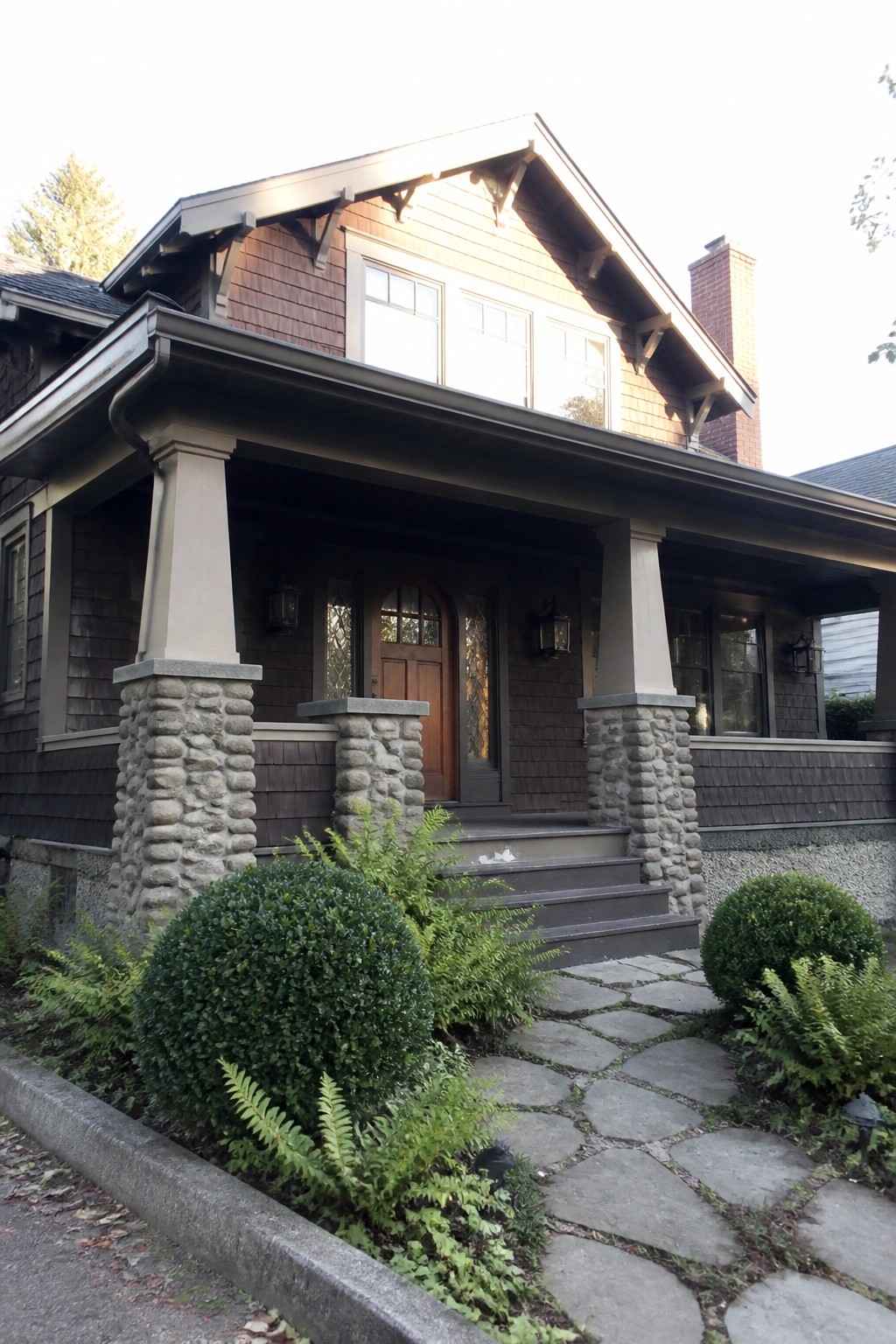
Stone Bases For Porch Columns

Stone at the bottom of porch columns gives the whole front a steadier, more settled look. The change in material breaks up the height and keeps the porch from feeling too light against the house siding.
This detail works on many Craftsman homes that already have wood siding and a gabled roof. Match the stone to the foundation if possible, and keep the columns simple and tapered so the stone does the visual work.
Built-In Bench Seating For The Dining Nook

A built-in bench that follows the wall makes good use of corner space in a smaller dining area. It keeps the room from feeling crowded while giving people a comfortable place to sit for regular meals.
This approach works best in homes with existing wood trim and paneling because the bench can be built to match. It suits Craftsman-style houses especially well when the upholstery stays simple and the wood tone stays consistent with the rest of the room.
Beadboard Wainscoting For Bathroom Walls
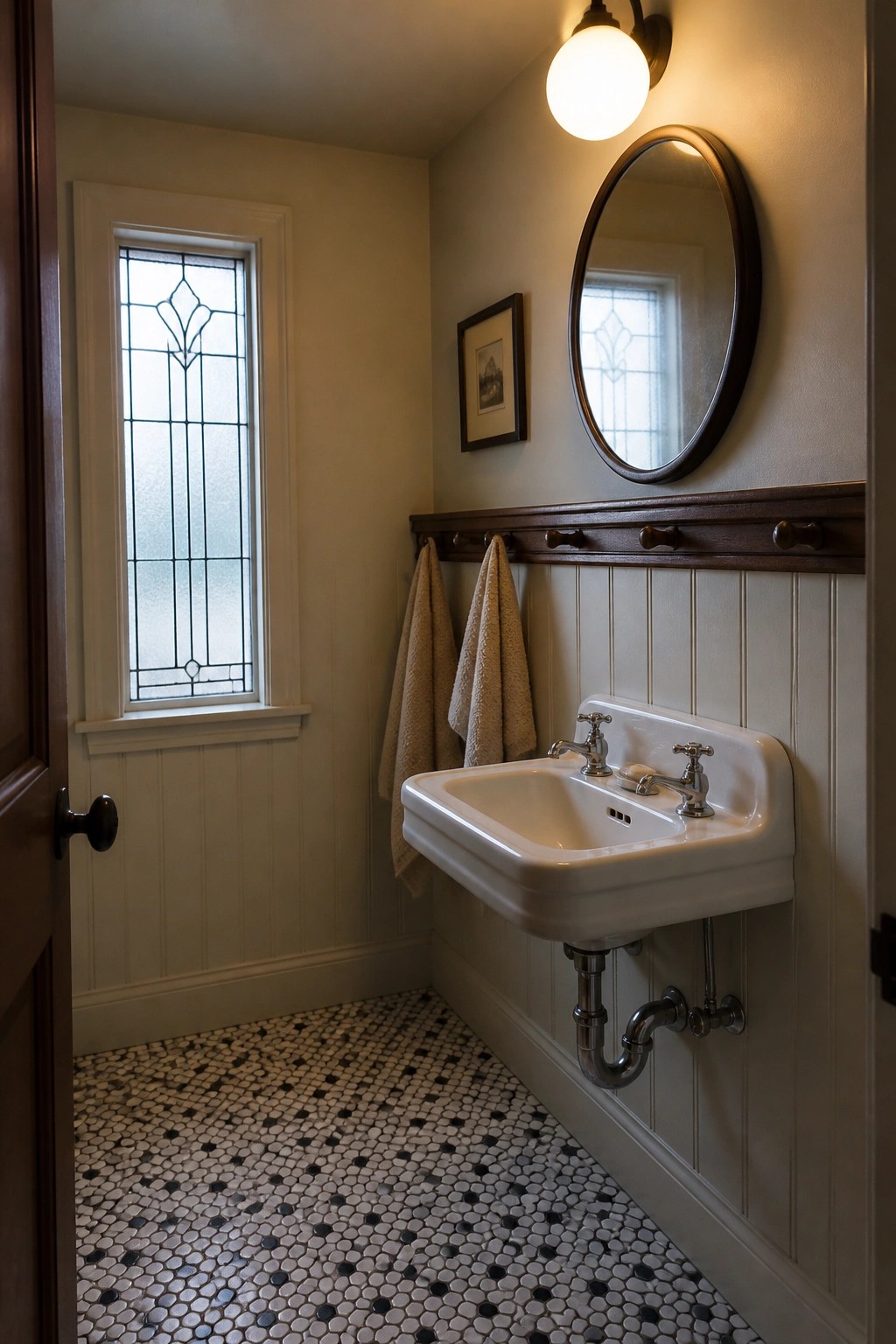
Beadboard wainscoting gives a bathroom that solid Craftsman feel while protecting the lower walls from daily wear. It adds texture without crowding a small space and pairs well with simple fixtures and classic tile.
This approach works best in homes that already have wood trim and period details elsewhere. Keep the upper walls light and let the beadboard run about three or four feet high so the room still feels open.
Built-In Bookshelves That Make Hallways More Useful

Many restored Craftsman homes turn long hallways into quiet reading spots by running built-in shelves along one wall. The shelves hold books without taking up floor space and give the area a settled, lived-in look that matches the original woodwork.
This works best in homes with wide enough hallways or landings where a chair can sit comfortably. Keep the shelves at a depth that does not crowd the walkway and match the wood tone to the trim so the whole wall feels like part of the original structure.
Mixing Open Shelving With Closed Cabinets
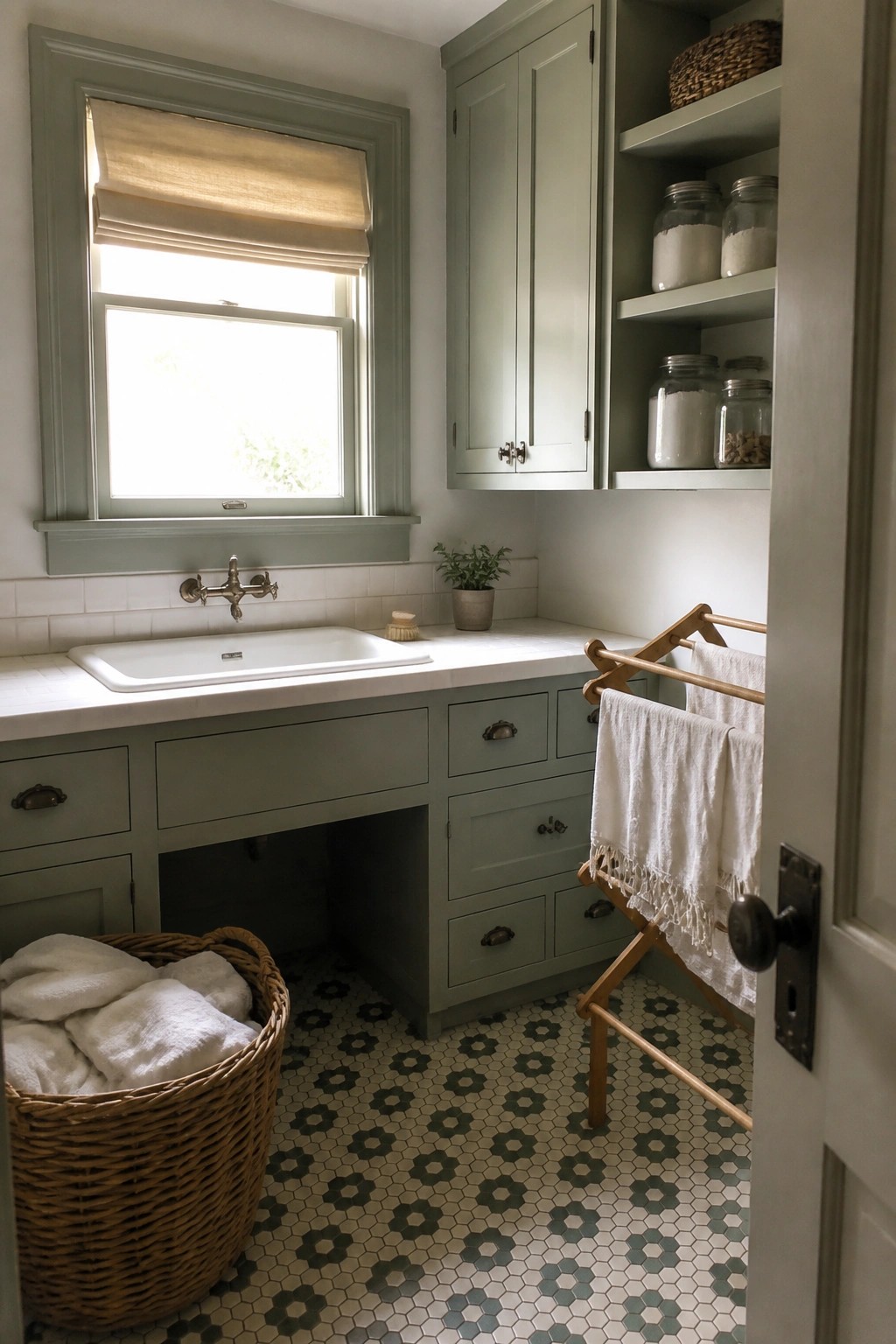
Many older homes benefit from a simple mix of open shelves and closed cabinets in the laundry room. It keeps everyday items like soap and towels within reach while hiding the less attractive supplies behind doors. The open space also makes the room feel less cramped than a wall of solid cabinetry.
This setup works especially well in smaller utility areas where you need quick access during wash days. Try placing jars or baskets on the shelves for things you use often and reserve the lower cabinets for bulk items or cleaning tools. Just watch the depth of the shelves so they do not interfere with the work counter.
Wood Vanities Against White Tile

In many restored Craftsman homes the choice of a dark wood vanity against white subway tile creates a simple contrast that feels right for the period. The wood brings warmth and visible grain that plain tile alone can lack, while the tile keeps the overall look clean and easy to maintain.
This approach works well in smaller baths that need both storage and a bit of character. A long vanity with plenty of drawers gives everyday function, and the wood tone pairs best with simple fixtures and a small window for natural light.
Round Rugs Anchor Small Nurseries
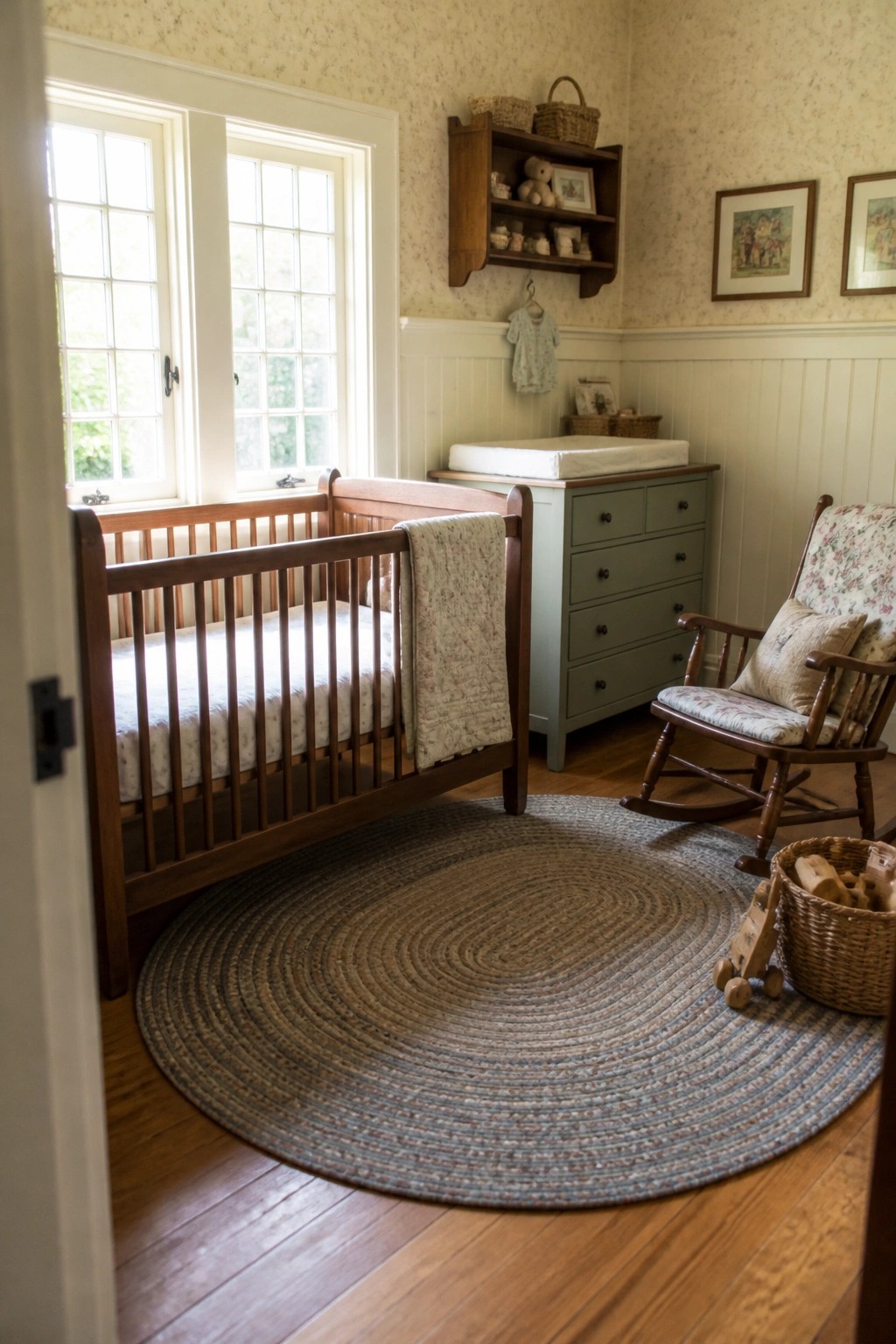
A large round rug can bring a nursery together on hardwood floors. It creates a soft central area for the crib and other furniture while keeping the room from feeling too spread out.
This works especially well in restored older homes where you want to add warmth without covering too much of the original flooring. Stick with neutral tones so the rug blends with the wood and period details around it.
Built-In Benches Under Pergolas
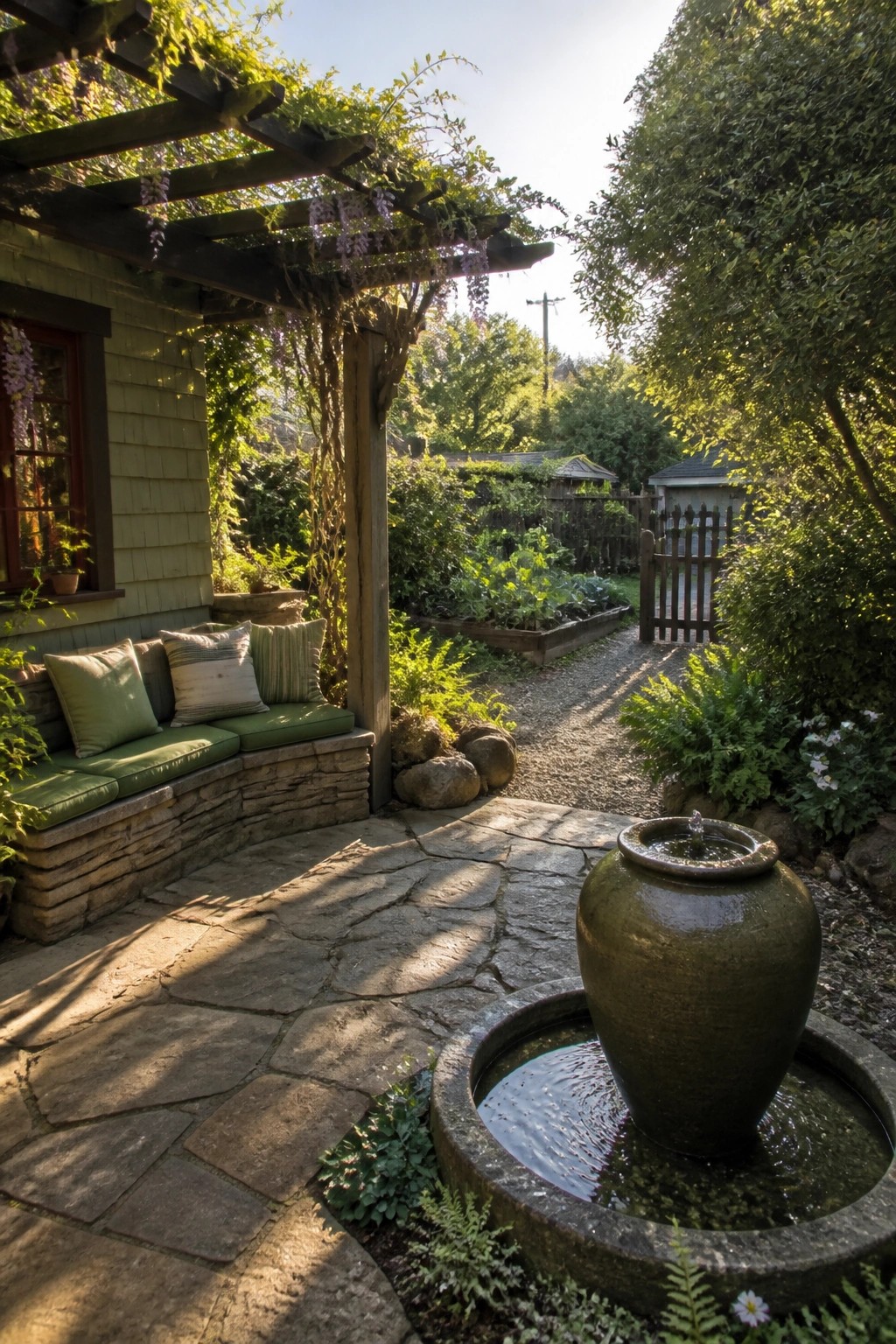
Many Craftsman homes use a simple pergola to create a shaded spot right against the house. A built-in bench gives seating without cluttering the area with separate chairs or tables.
This setup works best when the garden already comes close to the house and you want shade that feels permanent rather than added on later. Keep the bench low and use cushions only when needed so the space stays open most of the time.
Small Tables on Covered Porches
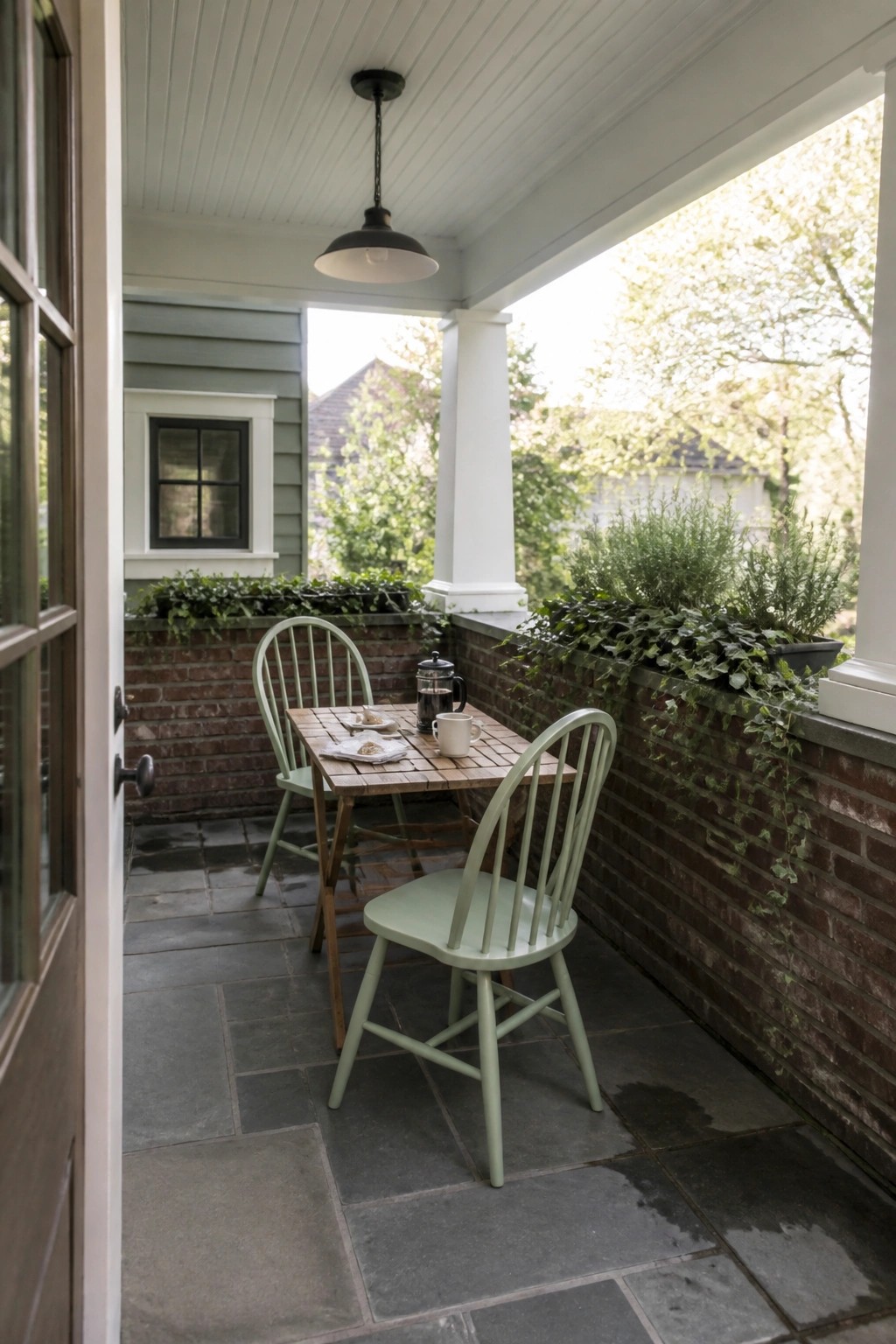
A small table keeps the porch usable without crowding the space. It leaves room to walk around and still gives you a spot for coffee or a quick meal, which makes the area feel more like an extension of the house instead of a separate room.
This approach suits Craftsman homes with existing brick or masonry walls because the modest scale matches the modest proportions of the porch itself. Choose simple wood and painted chairs so the furniture blends in rather than competing with the architecture.
Using a Runner on Tiled Hallways
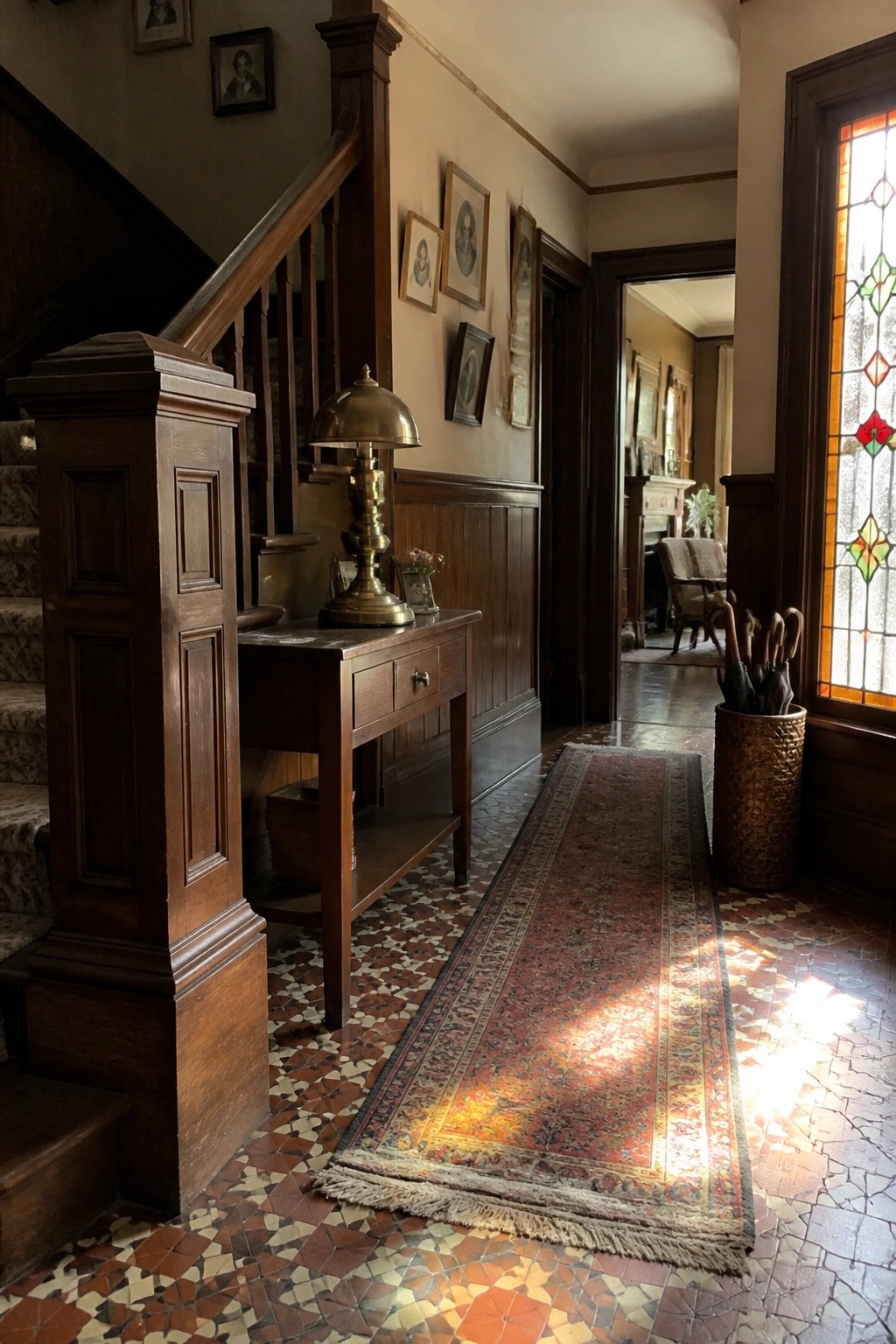
A runner works well in a hallway with old tile because it softens the hard surface without hiding the pattern underneath. The rug adds a bit of warmth underfoot and helps cut down on noise in a space that often gets steady traffic. It also keeps the original floor visible at the edges, which matters in homes that still have their period tile intact.
Choose a runner that is long enough to run the full length of the hall and narrow enough to leave several inches of tile showing on each side. Stick to colors that pick up tones already in the room, like the wood trim or the tile itself. This keeps the look balanced instead of fighting with the existing materials.
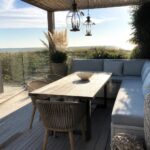
Outdoor Dining Under a Pergola

Many Craftsman homes use a simple pergola to turn a basic patio into a real dining spot. The overhead beams give the table a sense of place while still letting in air and views of the garden. String lights along the rafters keep the area usable well into the evening without needing harsh fixtures.
This setup works best on homes where the main structure already has wood or brick details. Run the lights in one or two rows so the glow stays even, and keep the table centered under the strongest beams. Avoid crowding the space with too many chairs or planters that block movement around the table.
Frequently Asked Questions
Q: Where do you find period light fixtures that actually work with modern wiring?
A: Check salvage yards first for originals. Then test the wiring yourself or hire an electrician to rewire safely. This keeps the look intact while making them usable again.
Q: What steps help restore original hardwood floors in these homes?
A: Start by sanding lightly to reveal the grain. Apply a natural oil finish instead of heavy stains. Then seal it to protect against daily wear.
Q: How can I add modern insulation without covering up the interior details?
A: Focus on the attic and exterior walls first. Use blown-in materials where possible.