When I look at coastal yards the ones that hold up with the least fuss usually rely on plants that already belong there.
Native grasses fit that role well because they handle the wind and sandy soil without constant watering or fertilizing.
Over time the roots spread in a way that stabilizes the area and reduces erosion along the edges.
I would test a few of these grasses first in a corner of my own yard to see how they fill in before committing to a bigger change.
It pays off in the long run.
Gravel Paths With Native Grasses
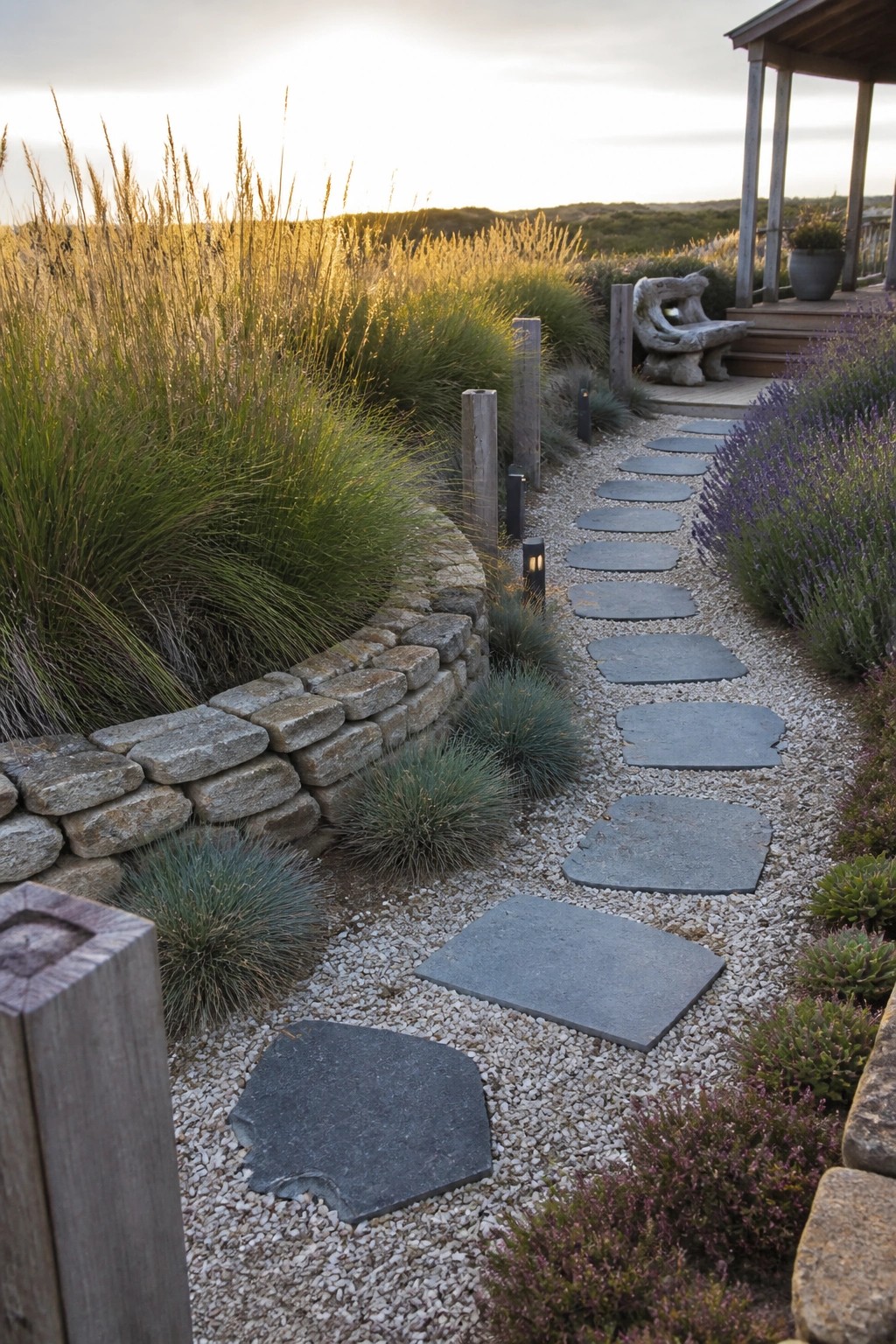
Gravel paths paired with stepping stones offer a practical way to move through a coastal garden without creating extra work. The loose gravel drains quickly and stays in place when edged properly, while the stones keep the route clear and easy to walk.
This layout suits homes near the shore where wind and salt can make lawns difficult. Keep the path narrow and let native grasses spill over the edges to soften the look and reduce weeding.
Raised Planters For Native Grasses
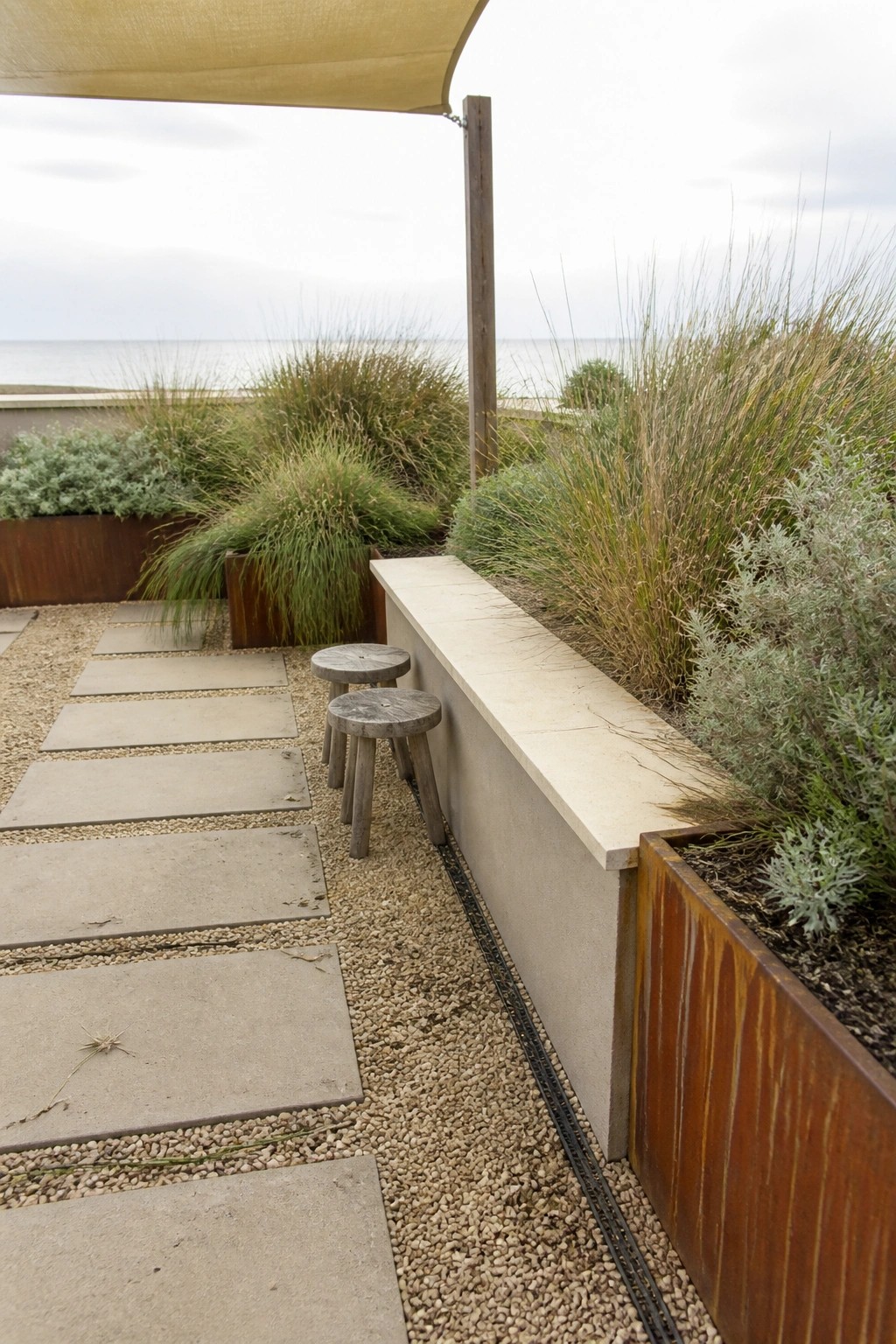
Raised planters give native grasses a firm boundary so they stay where they belong without constant trimming or weeding. The metal sides keep soil contained and stop the plants from creeping into gravel paths or seating areas.
This setup works best along walkways or beside simple benches in coastal gardens. The extra height also makes seasonal cleanup easier since you reach the base of the plants without much bending.
Native Grasses Along Stone Paths
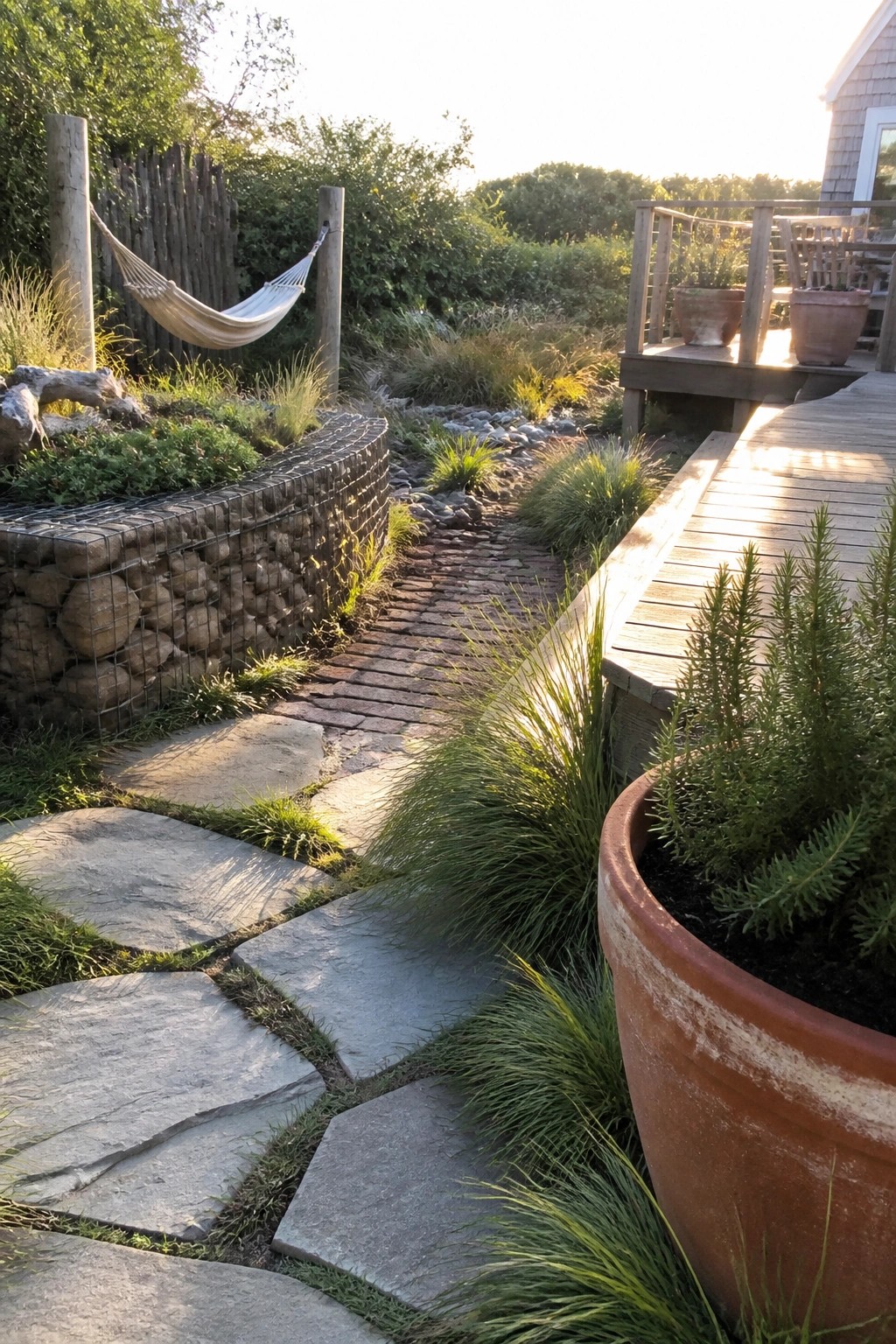
Native grasses pair well with stone paths because they stay low care while adding movement and texture right at the edge. They handle wind and salt without needing constant watering or trimming, which keeps the whole garden looking relaxed instead of tended.
Plant them in loose groups so a few blades can spill onto the path surface. This works best in smaller coastal yards where you want defined routes without adding more hardscape or lawn.
Native Grasses Edge a Gravel Path
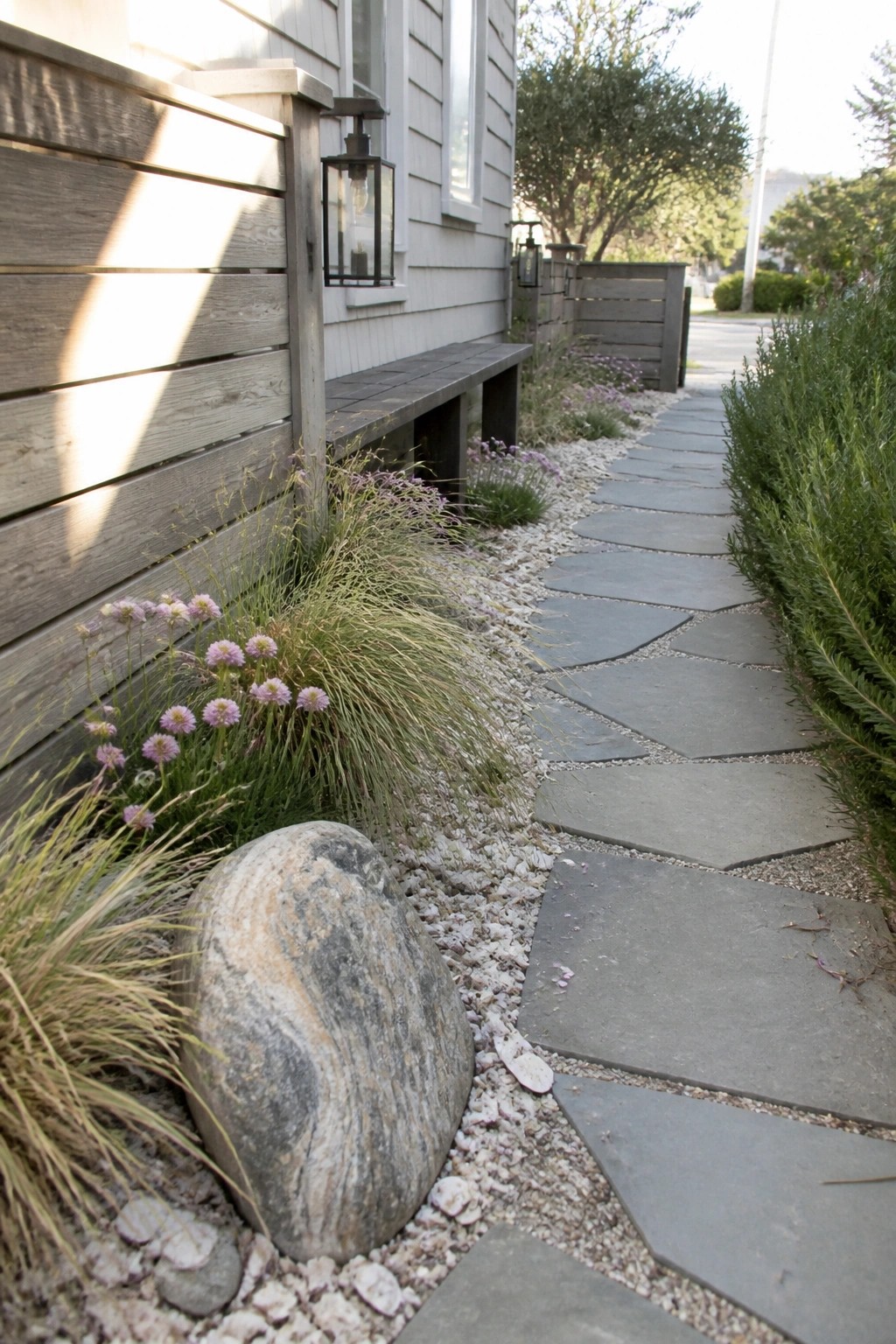
Native grasses make a good choice along a walkway because they handle coastal conditions and stay low maintenance once they settle in. The mix of tall and shorter clumps softens the hard edge of the house and path without needing constant trimming or watering.
This approach works well on narrow side yards or beside foundations where you want some movement but not a lot of upkeep. Gravel between the stones helps with drainage and keeps the area looking tidy year round.
Built-In Seating With Native Grasses
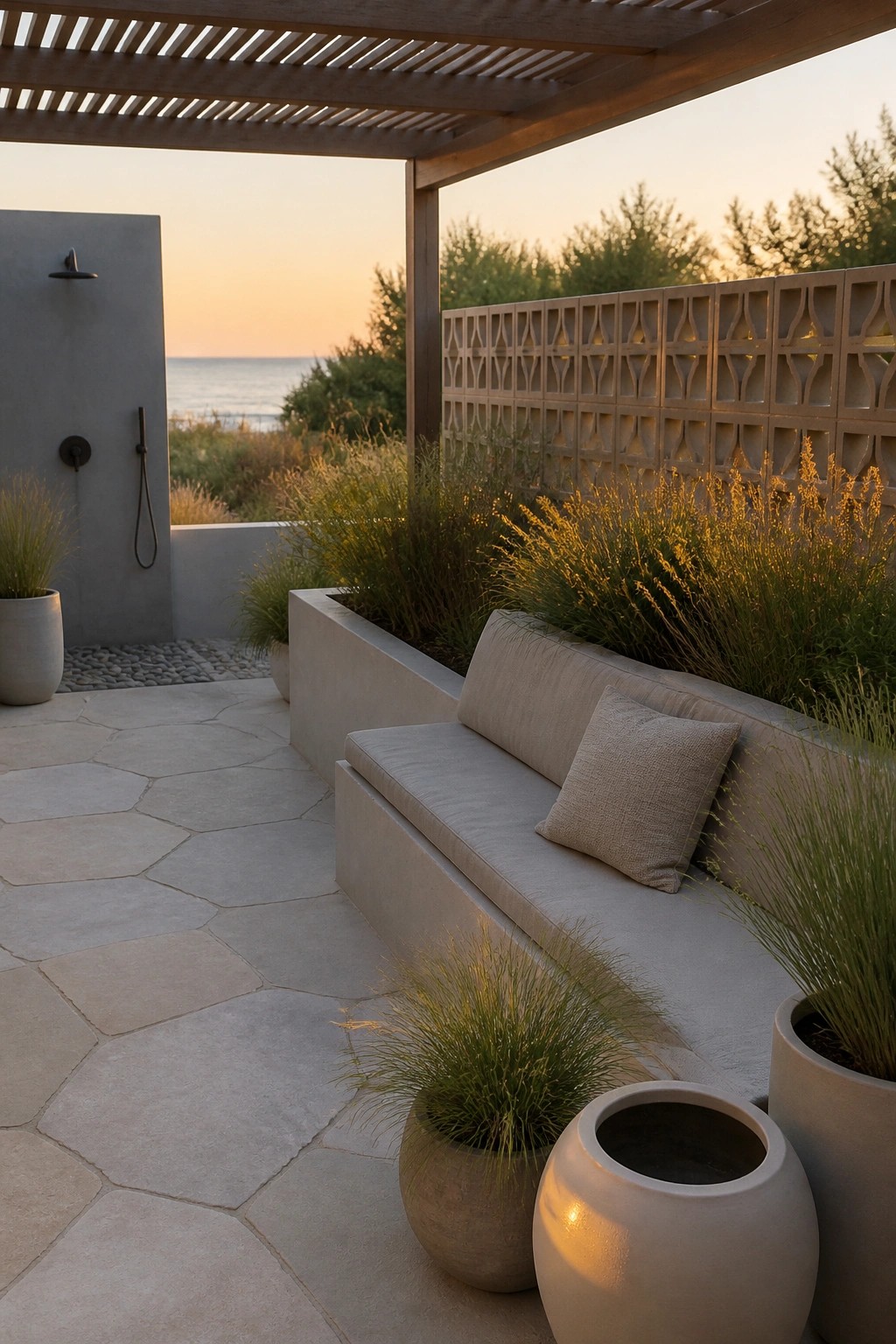
Built-in concrete benches make it easy to add native grasses right where people sit. The grasses stay low-maintenance, hold up to wind and salt, and give the space a natural coastal feel without extra work.
This setup works well on patios or terraces near the shore. Keep the bench simple, plant the grasses in the same material or in matching pots, and let them fill in around the edges.
Stepping Stone Paths Through Native Grasses
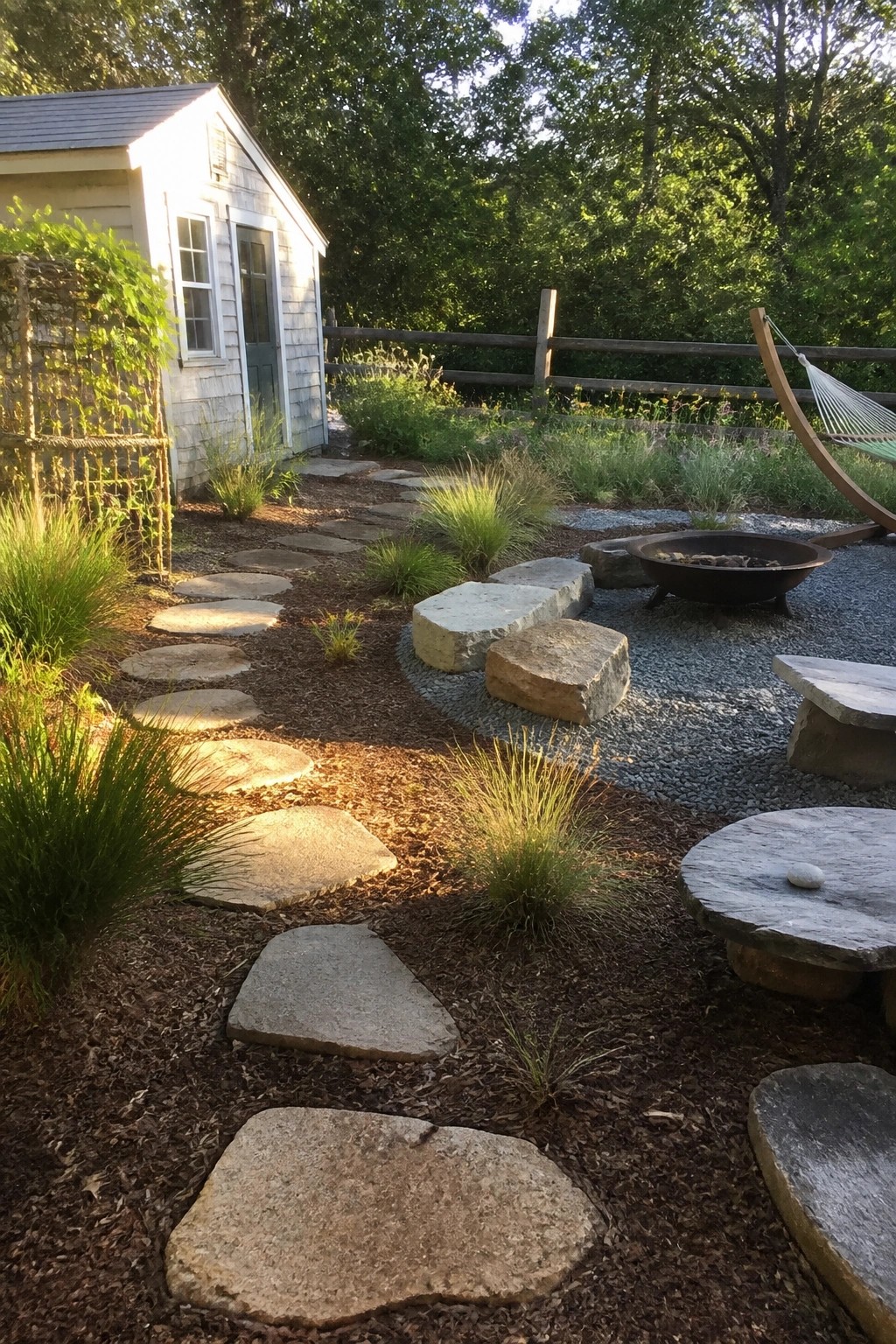
Stepping stones set into mulch create a simple path that lets native grasses do most of the work. The stones stay level while the grasses soften the edges and fill in the spaces between them, so the whole area feels connected without looking too planned.
This layout suits coastal yards that need plants that handle wind and salt. Lay the stones on a compacted base, keep the mulch layer even, and choose grasses that stay in clumps rather than spreading everywhere. The result stays low maintenance once the plants settle in.
Boardwalks That Blend With Native Grasses
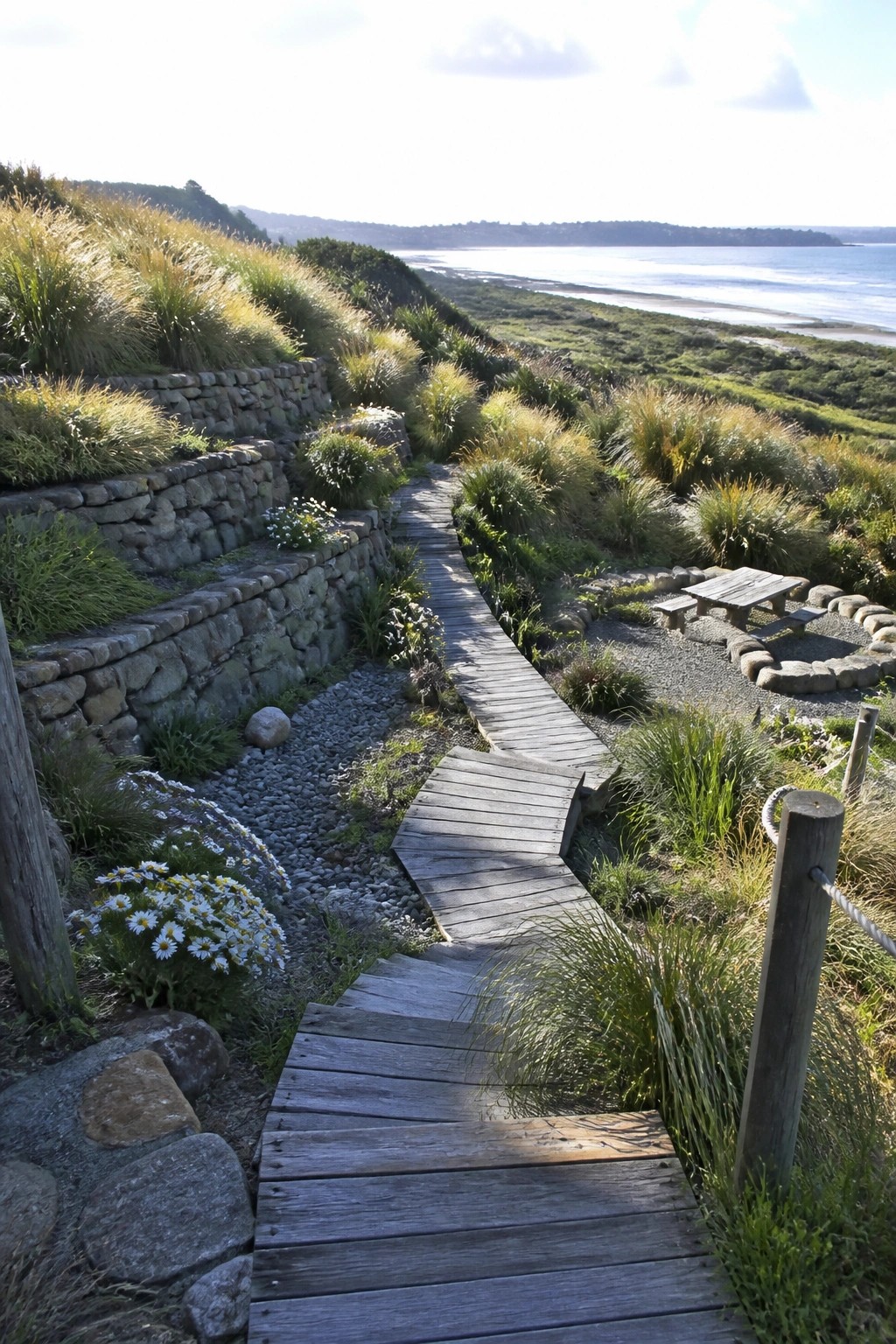
A wooden boardwalk gives you a clear path through a garden without compacting the soil or trampling plants. In coastal settings it also handles sand and wind well, and the grayed timber sits quietly among the grasses instead of fighting them.
This approach works best on slopes or soft ground where a solid path would be hard to maintain. Keep the boards simple, let the native grasses grow right up to the edges, and you will not need much beyond occasional sweeping.
Native Grasses In Gravel Beds
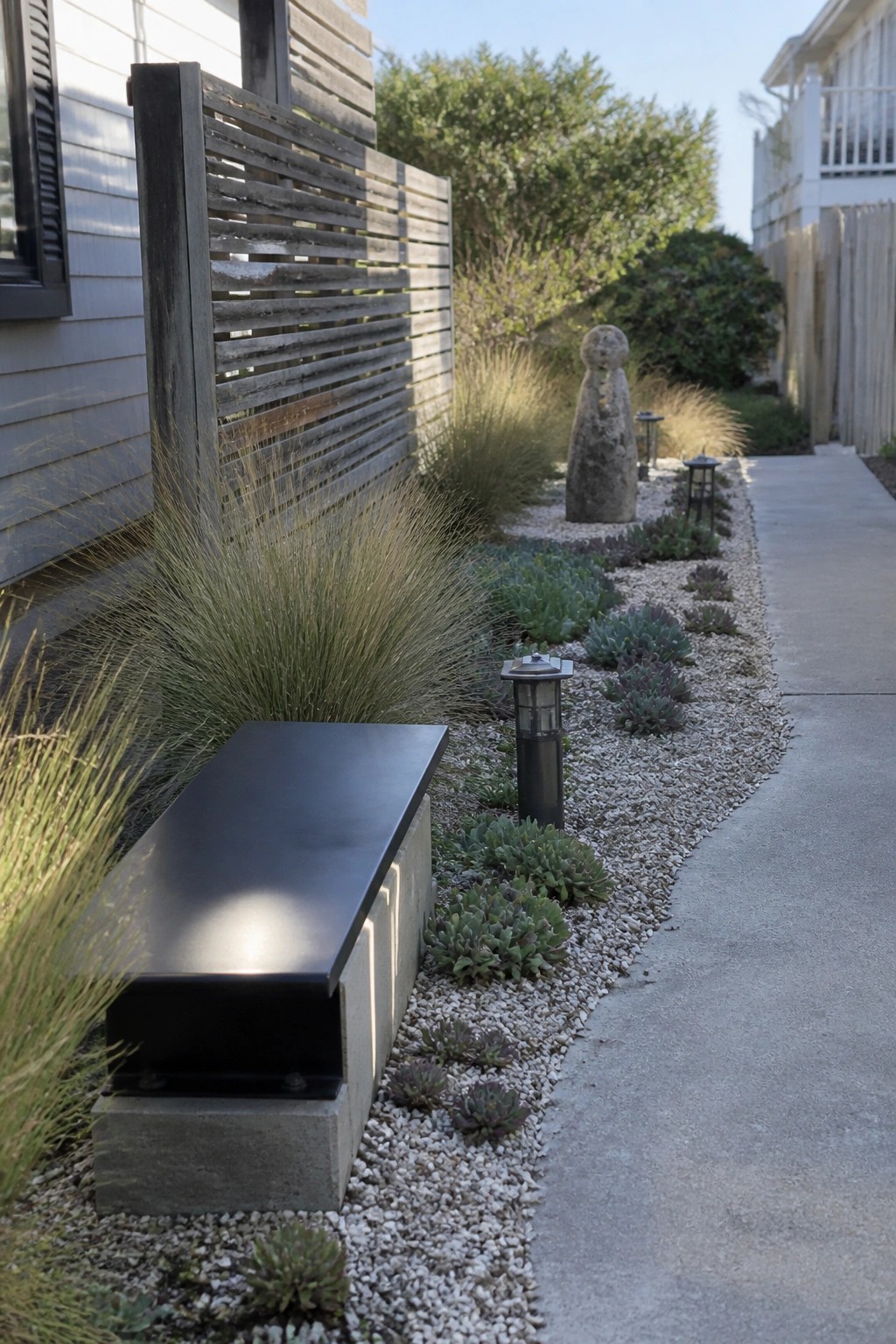
Native grasses work well in narrow strips beside paths because they need little water once established and stay looking good with almost no trimming. The gravel helps keep weeds down and gives the plants good drainage, which fits coastal conditions where soil can be sandy or salty.
This setup suits homes with straight walkways or side yards that get full sun. Keep the grasses as the tallest layer and add low succulents in front so the bed stays neat without much work. Just make sure the gravel layer is thick enough to hold moisture in the root zone during dry spells.
Brick Edging Defines Grass Beds Simply
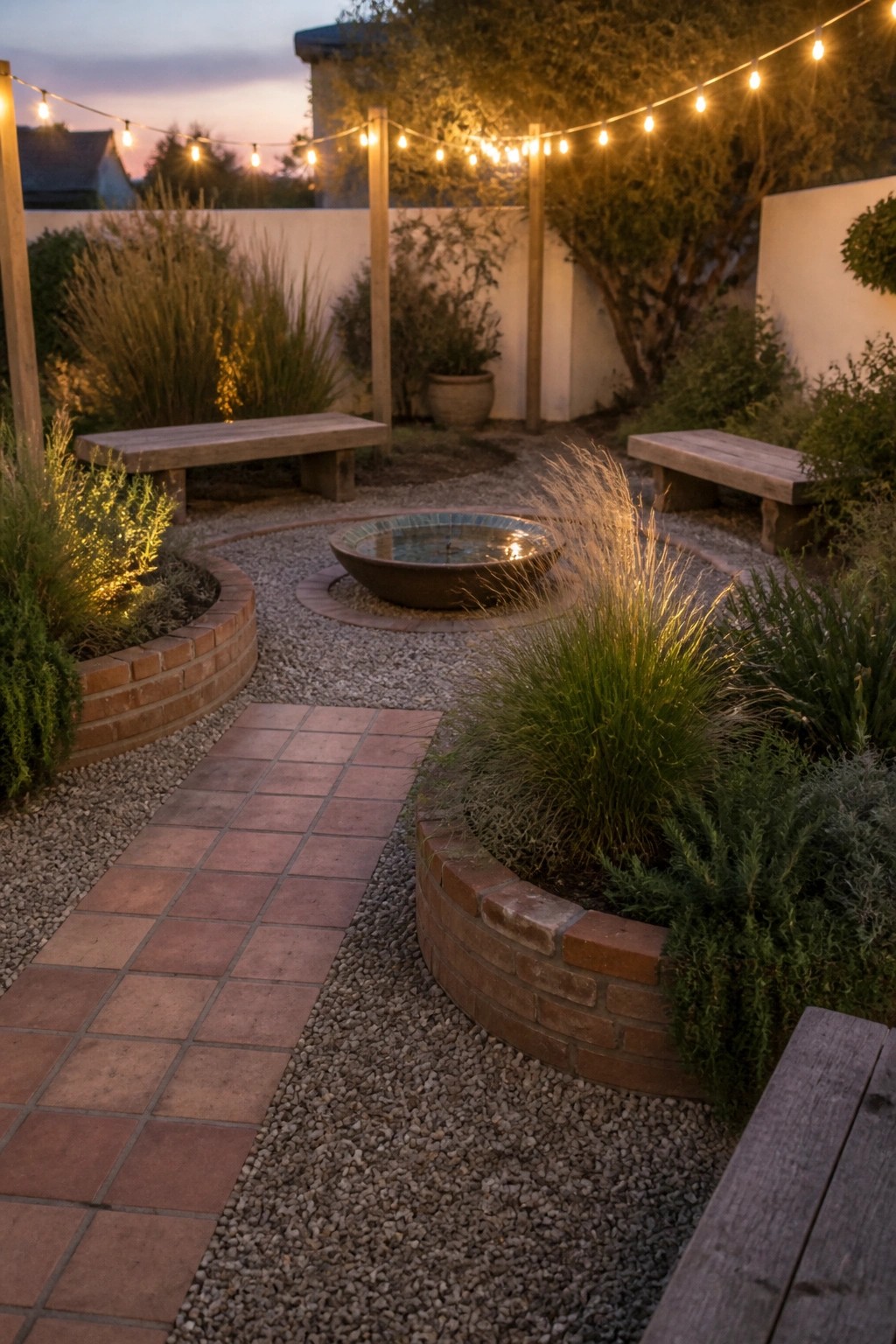
Brick edging works well because it holds the soil and plants in place while creating a clean line that separates the beds from the gravel paths. The low border keeps everything looking tidy without much trimming or weeding along the edges.
This approach suits coastal gardens that rely on native grasses. The brick lasts for years with almost no upkeep, and it lets you shape the beds in gentle curves that follow the natural flow of the space.
Stone Paths Through Native Grasses
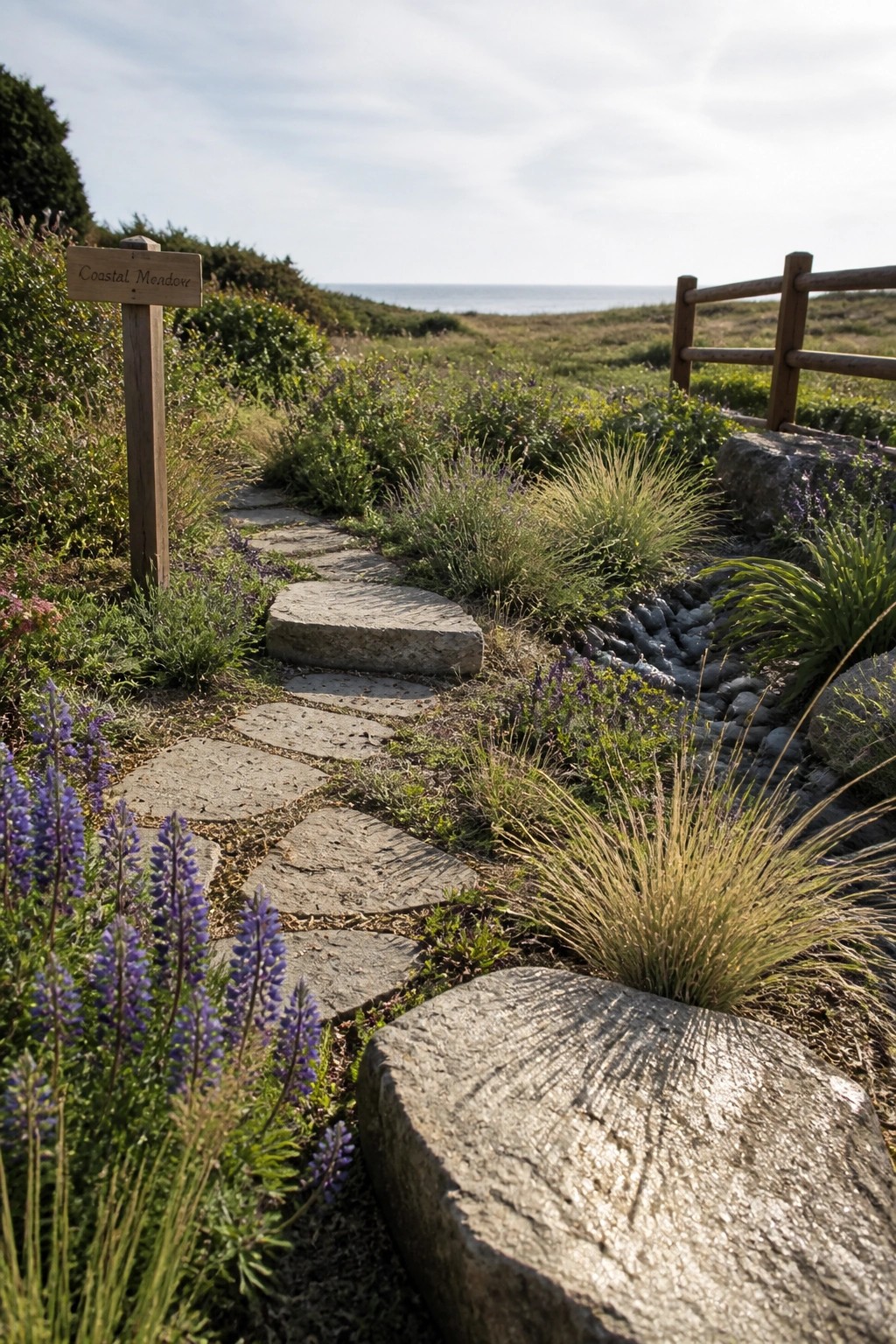
A simple stone path works well in coastal gardens because it gives you a clear way through without fighting the natural growth. The irregular stones sit low and let the surrounding grasses and wildflowers fill in around them, which keeps the whole area looking relaxed instead of overly tended.
This setup suits homes near the shore that want low maintenance year after year. Lay the stones with enough space between them for plants to spread, and choose native grasses that handle wind and salt on their own. The path stays functional while the meadow planting does most of the work.
Border Patios With Native Grasses
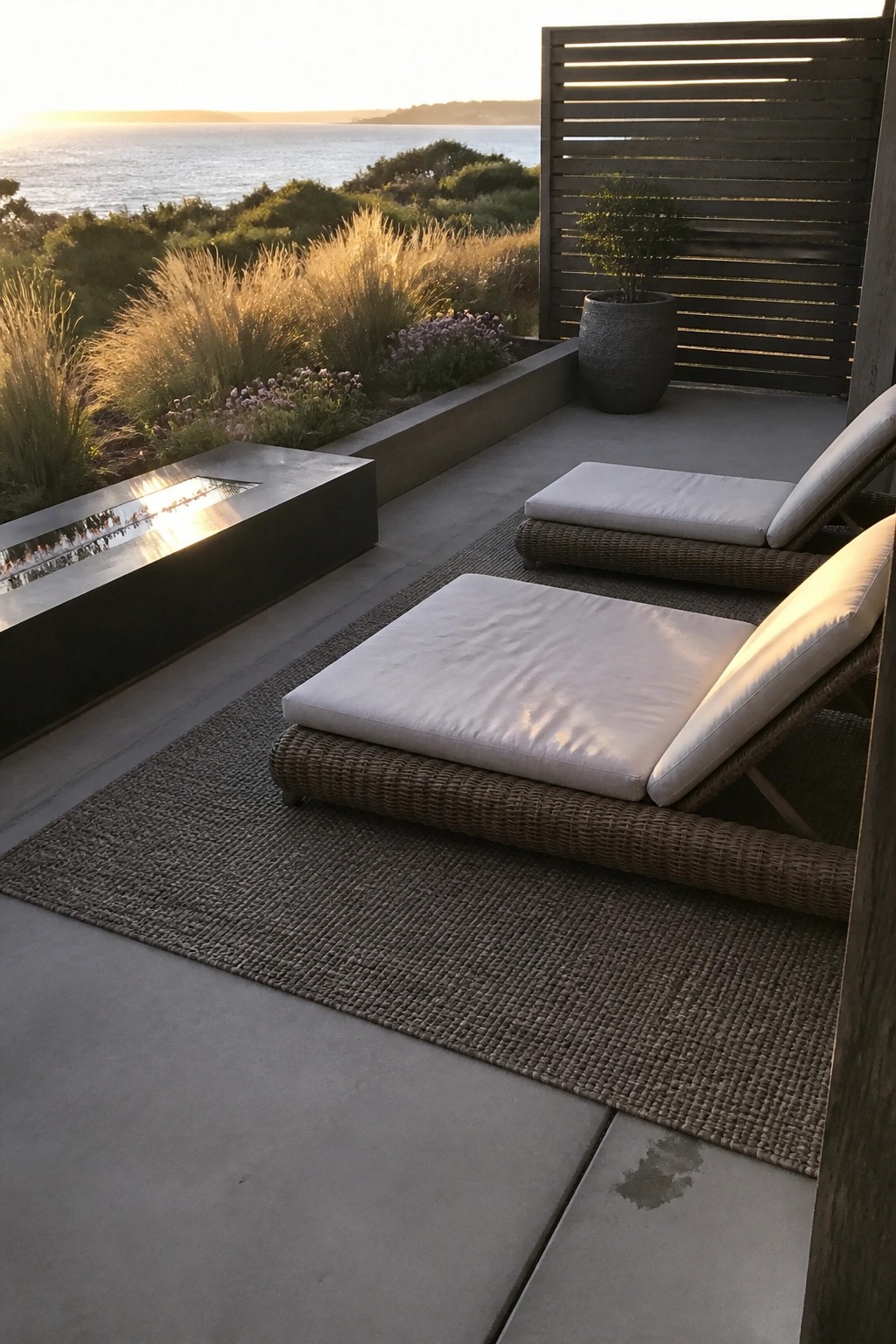
Native grasses work well along the edge of a patio because they handle wind and salt without much fuss. They fill in the space between the hard surface and the rest of the garden, adding movement and texture while staying low maintenance over time.
Place them in a simple raised bed right next to the seating area so the plants stay contained and the view stays open. This setup suits homes near the coast where you want something that looks full but does not need constant watering or trimming.
Raised Planters With Native Grasses
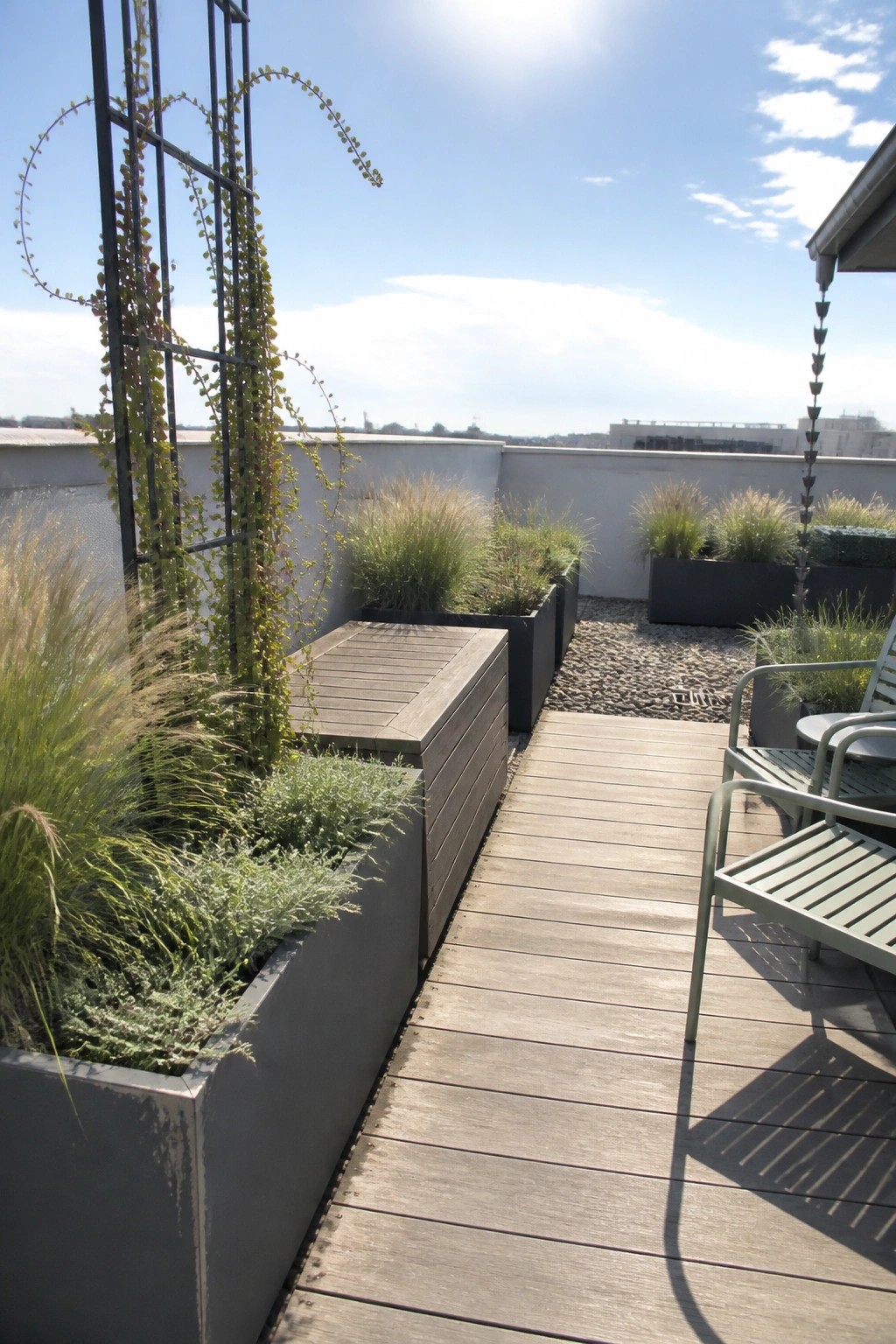
Raised planters work well for native grasses because they keep the plants contained and make watering and weeding simpler. The mix of taller and shorter grasses in the boxes creates movement without needing constant care, and the gravel around them helps with drainage on a rooftop setting.
This setup suits homes near the coast where wind and salt can be tough on other plants. Keep the boxes along a deck path so the grasses soften the hard edges while still leaving room to walk through the space.
Stepping Stone Paths With Gravel Edges
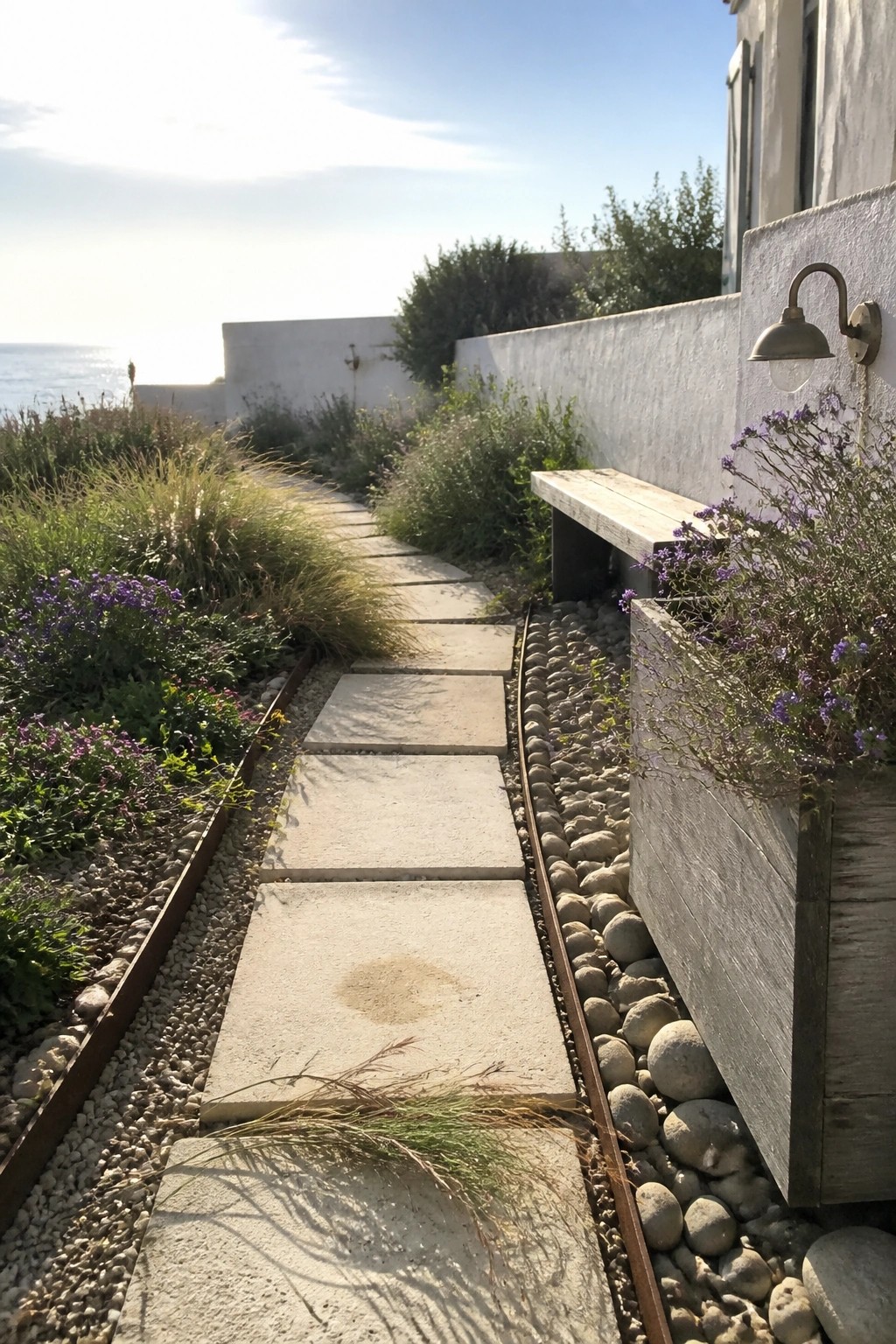
A simple line of concrete pavers set into gravel makes an easy path that stays clear without much work. The gravel helps with drainage and keeps the edges neat while native grasses and low plants fill in around the stones.
This setup works well in coastal yards where salt air and wind can make fussy borders hard to keep up. Place the path where foot traffic is light and let the grasses spill over the edges a bit so the whole thing feels settled rather than too trimmed.
Native Grasses Along Gravel Paths
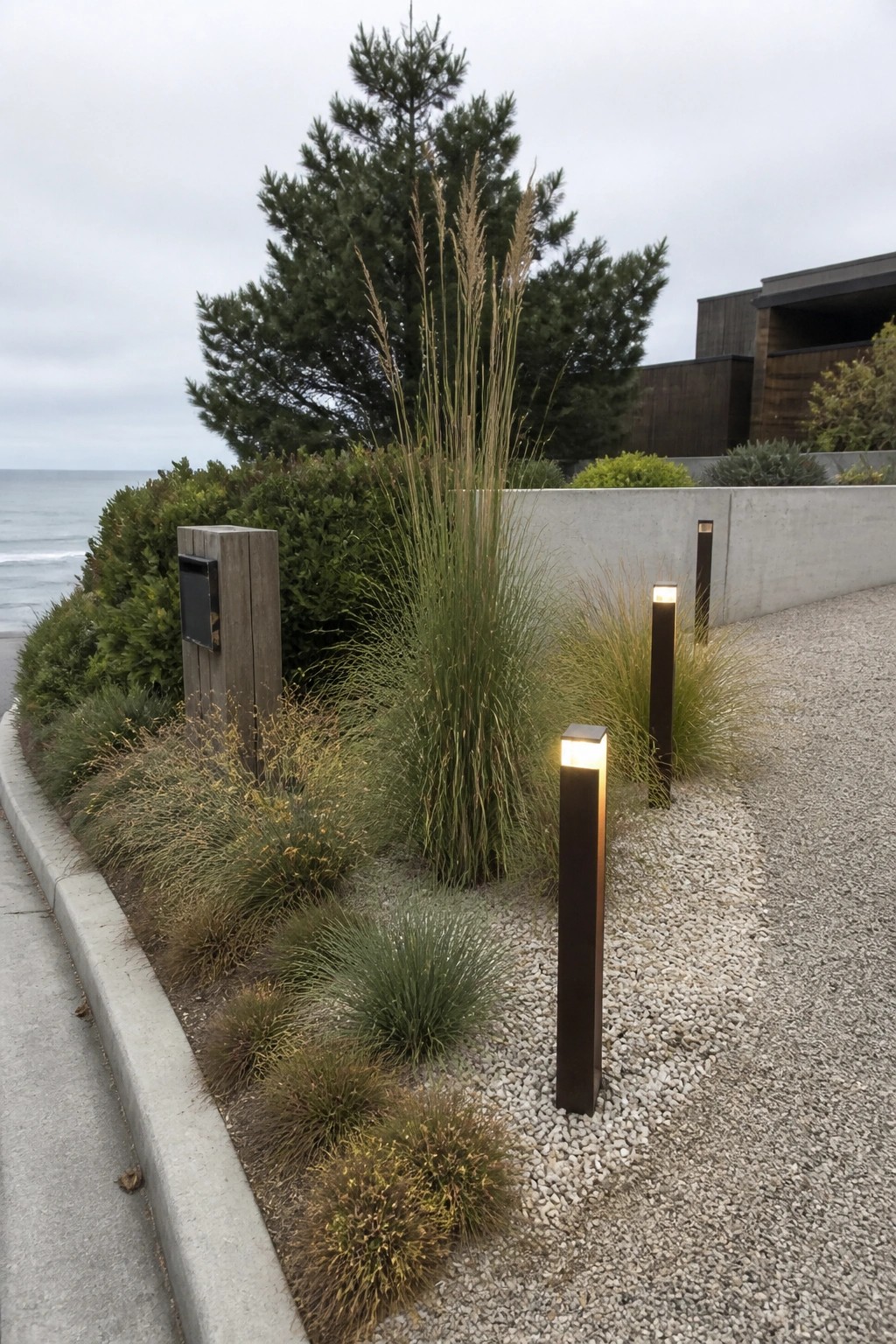
Native grasses work well in coastal gardens because they handle wind, salt air, and dry spells without much help. Placing them in loose groups next to a gravel path keeps the planting looking natural while cutting down on weeding and watering.
This setup suits homes near the shore where you want texture and movement but little upkeep. Keep the grasses at different heights and let the gravel edge the beds so water drains easily and the path stays clear.
Native Grasses And Gravel For Coastal Gardens
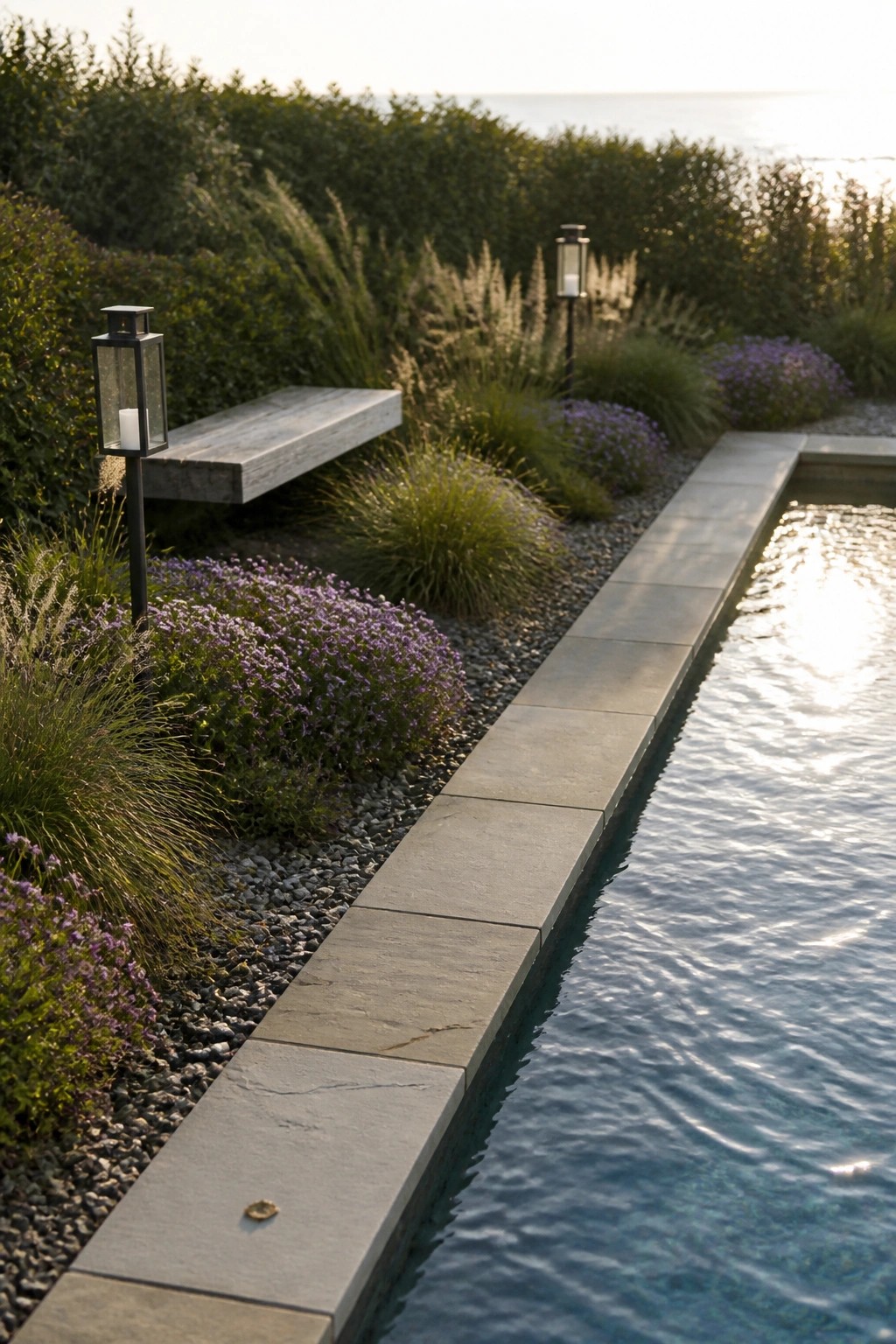
Native grasses mixed into gravel beds create a simple planting structure that holds up well near the water. They soften the hard edges of a pool without needing constant care, and the gravel helps with drainage while keeping weeds down in sandy coastal soil.
This approach works best on homes with direct ocean exposure where salt and wind can stress other plants. Keep the beds narrow and let the grasses grow in loose clumps so the layout stays low maintenance over time.
Raised Planters With Native Grasses
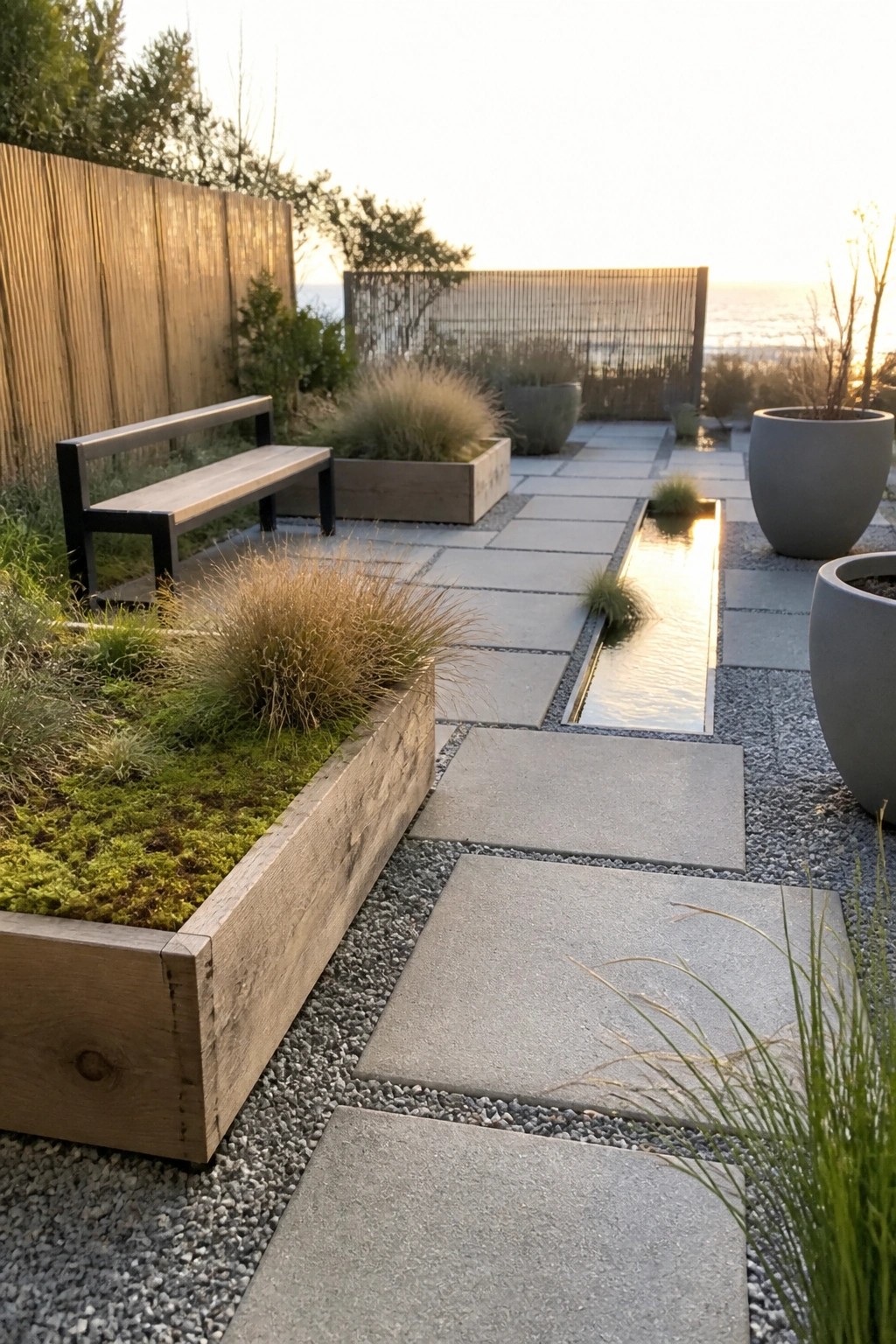
Raised planters make it easier to grow native grasses in coastal gardens where soil and drainage can be tricky. They keep the plants contained, reduce weeding, and let you adjust the soil mix without disturbing the rest of the yard.
This approach works well along stone paths set in gravel. It suits homes near the water that need simple upkeep and a natural look without constant trimming or replanting.
Brick Paths With Border Grasses
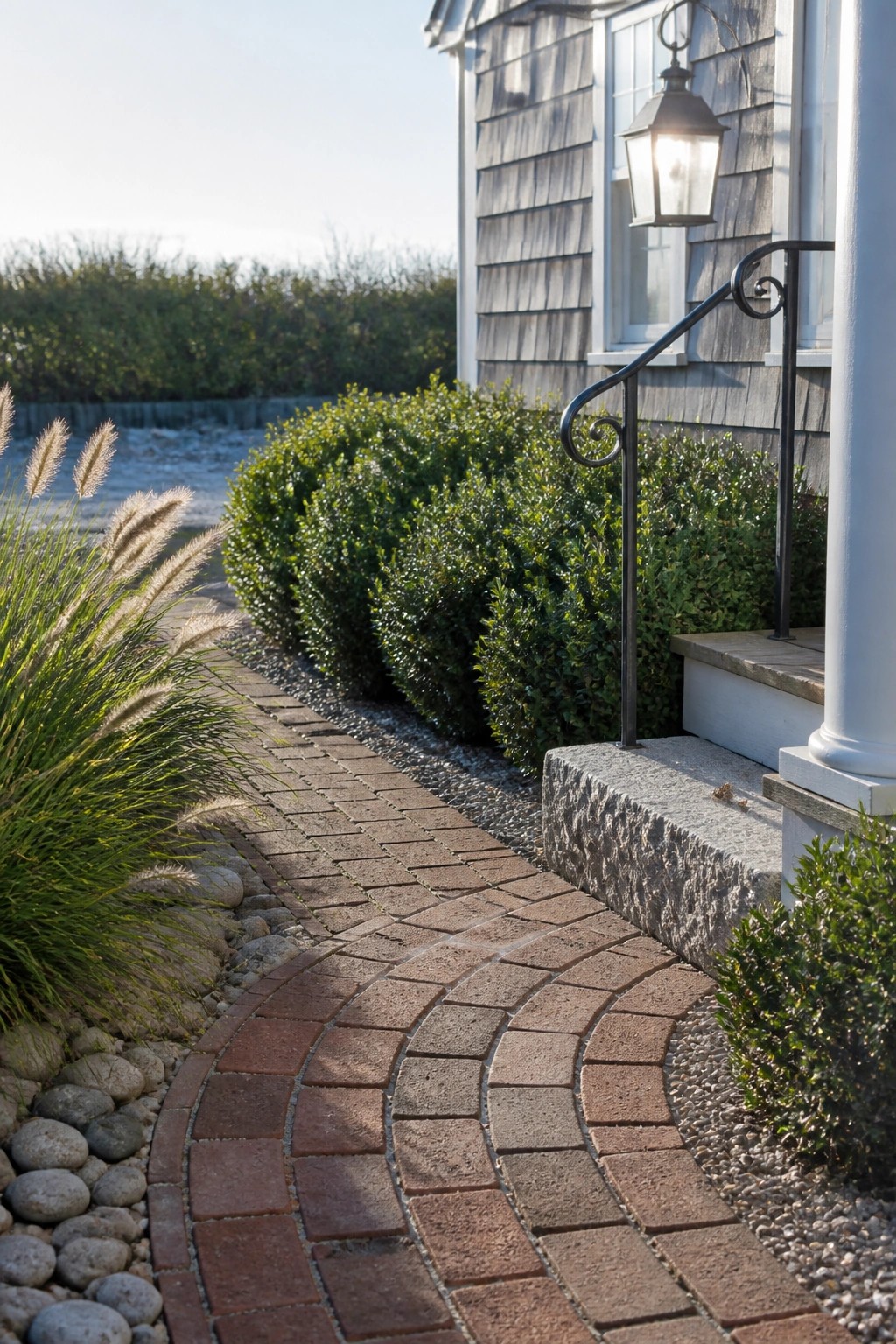
A brick path that curves gently through the garden creates an easy route while keeping the planting simple. Native grasses planted right along the edge soften the hard lines and need very little trimming or watering once they settle in.
This approach suits coastal homes where salt air and sandy soil can make fussy beds hard to maintain. Keep the path narrow enough to feel natural and let the grasses spill slightly over the bricks so the whole thing reads as one low-care layer rather than separate elements.
Native Grasses Along a Concrete Wall
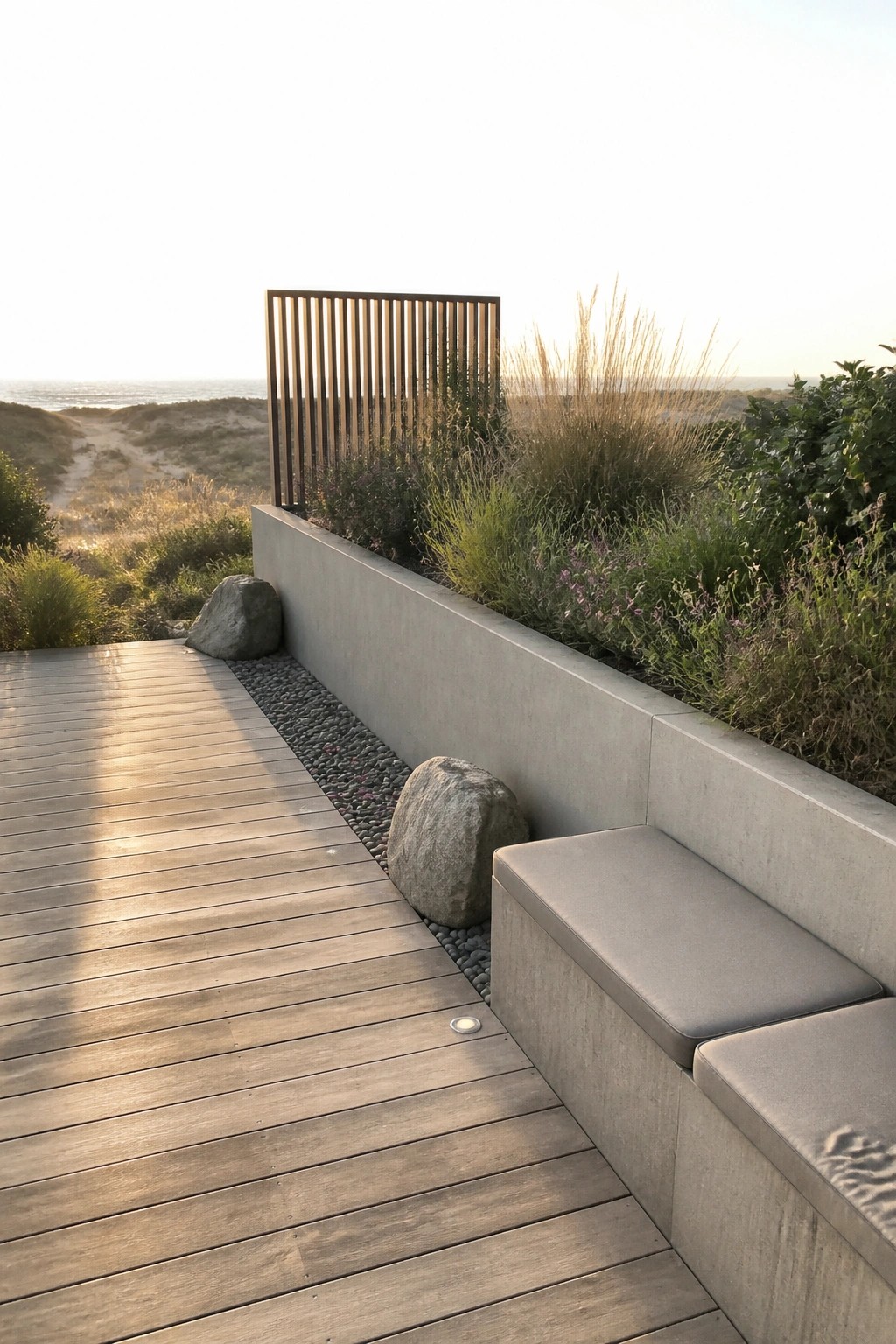
A low concrete wall gives native grasses a clear edge without fighting them. The grasses and low wildflowers can spread naturally behind it while the wall handles the transition from deck to garden bed.
This works well on coastal properties where wind and salt make high-maintenance planting difficult. The wall doubles as seating and the gravel strip at its base improves drainage so the whole area stays tidy with minimal care.
Frequently Asked Questions
Q: Will these grasses spread everywhere and become a hassle? A: Choose clump-forming native grasses to keep them contained. Check on them once a year and remove any stray shoots. They stay where you plant them with almost no effort.
Q: My yard has clay soil instead of sand. Will the grasses still grow? A: Work some organic matter into the clay before you plant. Many coastal grasses handle it well once roots get going. Water regularly the first season to help them settle in.
Q: Can I add colorful flowers without turning this into high-maintenance work? A: Yes, pick a couple of native blooms that thrive in the same conditions. They fill in nicely between the grasses.
Q: How do the grasses stand up to heavy salt spray and wind? A: Native species are built for that. Plant them in groups to buffer each other from the worst gusts. You won’t see much damage even after storms.