Living in an off-grid container home forces you to think through every system from the start so nothing depends on outside help.
I have noticed that roof angles and wall placements often decide how well these homes collect rainwater or stay warm without constant adjustments.
Some setups look efficient until you try storing tools and food in the same limited space.
The builds that hold up tend to place the kitchen and utility areas where daily movement stays simple even during long stretches without deliveries.
Trying out a couple of these storage tricks in my own place made clear which ones actually save time instead of creating new problems.
Shipping Containers With Solar on Top
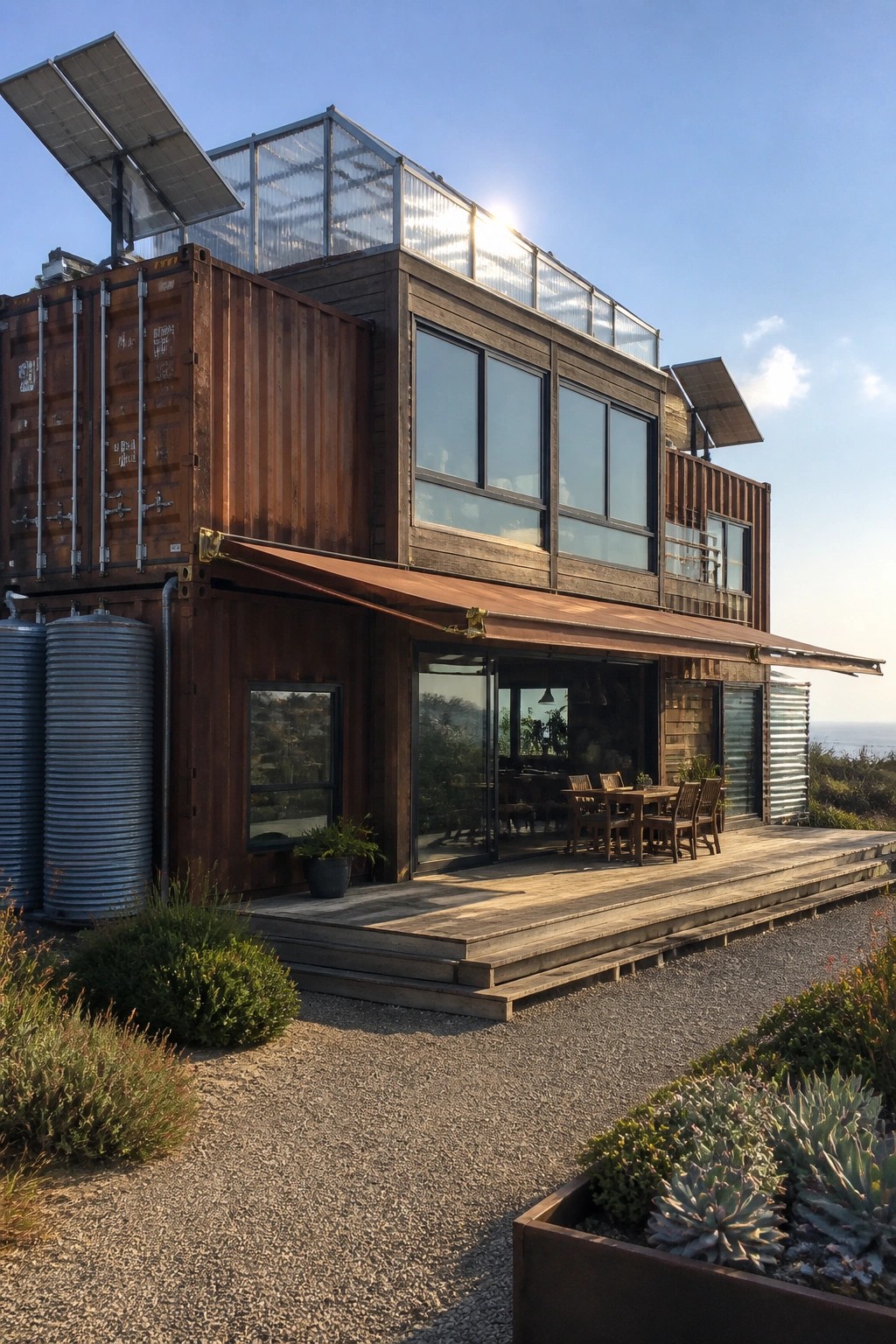
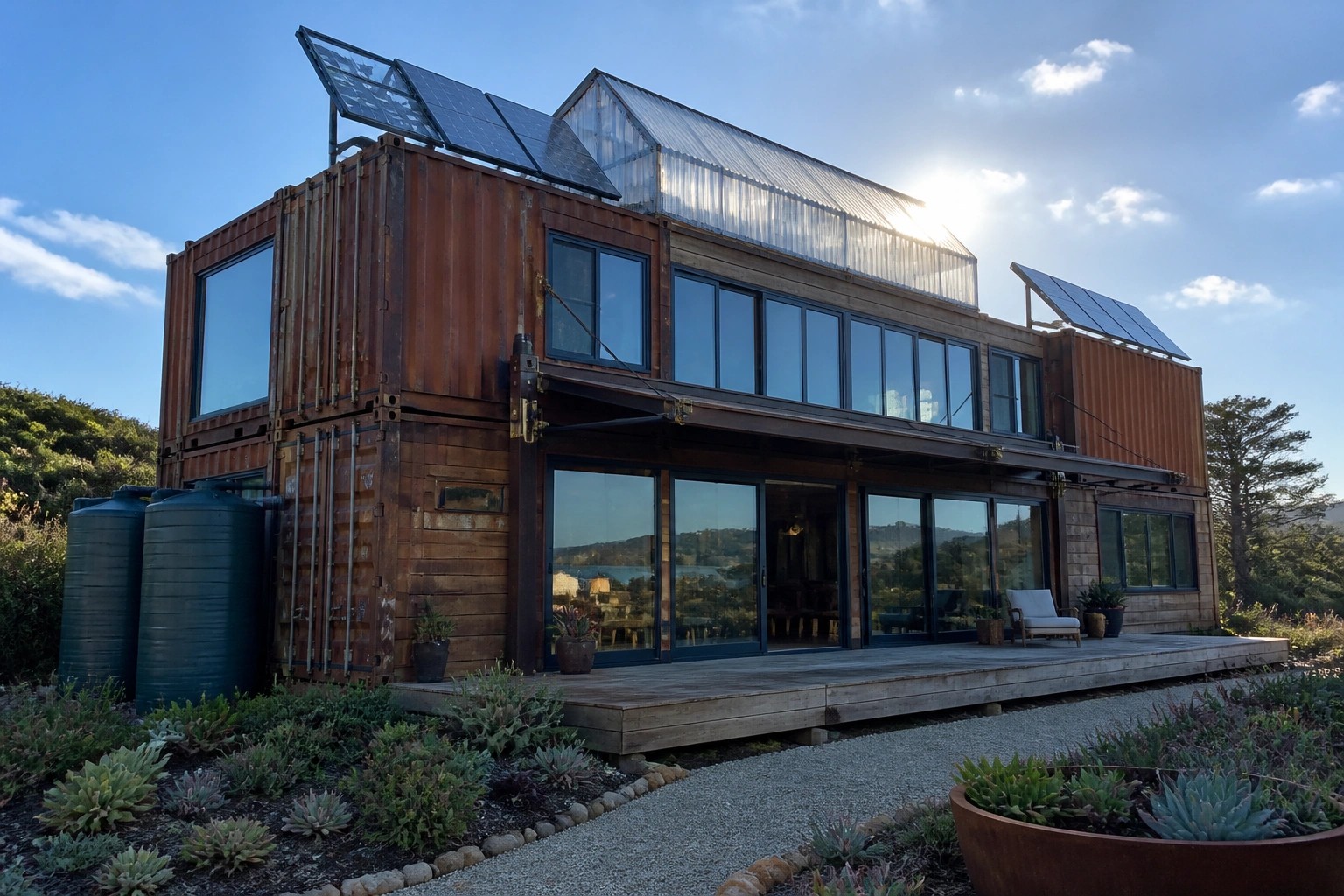
Shipping containers give you a ready-made structure that handles solar panels without much extra framing. The flat roof sections make it simple to angle the panels for good sun exposure, and the metal walls already support the weight and mounting hardware. This setup keeps everything compact and durable in one package.
It works especially well for homes in remote spots where grid power is not an option. Place the panels on the highest roof plane so they do not shade each other, and keep the container walls sealed well against weather. The result is a straightforward way to generate power without adding separate outbuildings.
Raised Planters Along Patio Edges
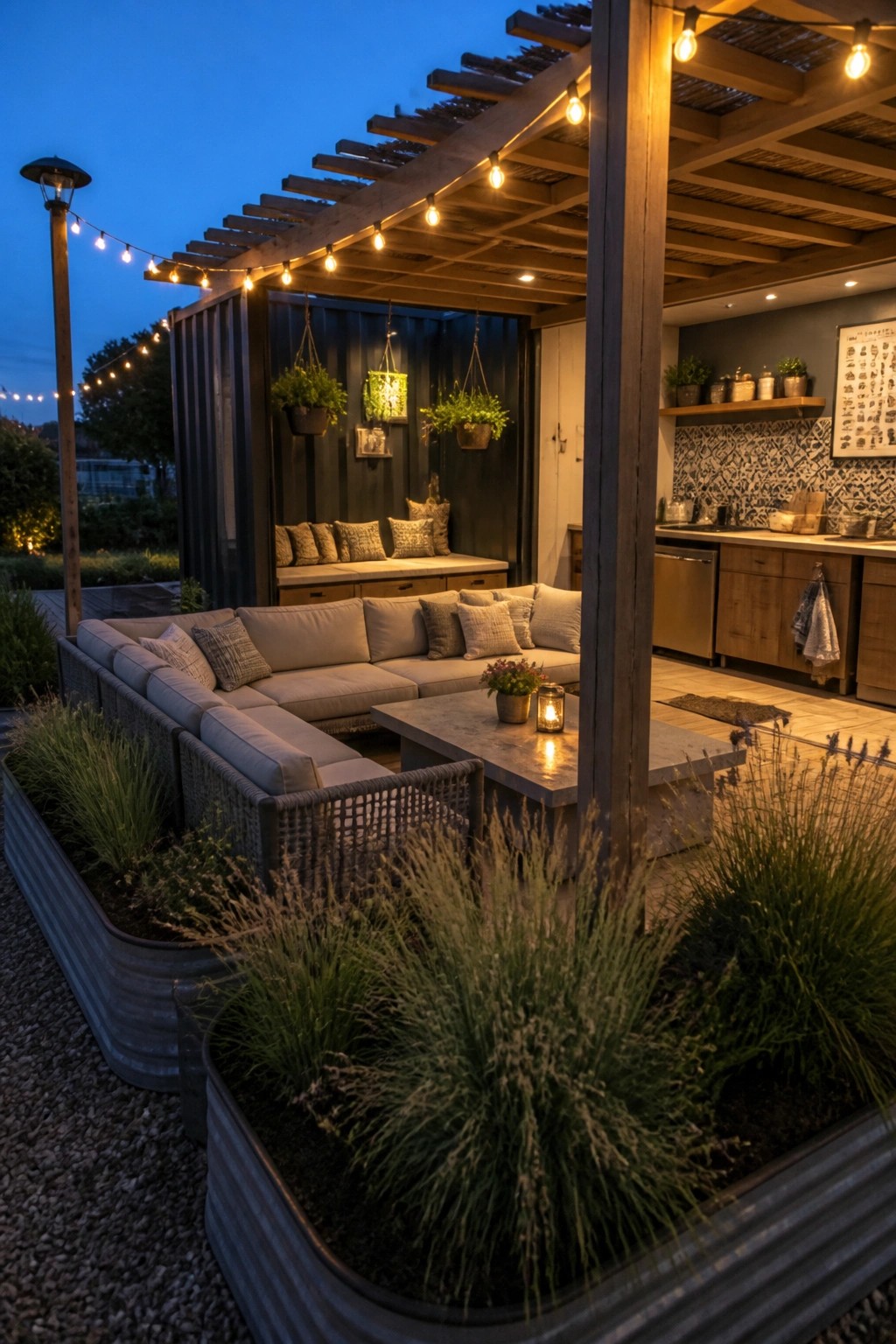
Raised planters work well when you want planting close to where people sit without crowding the floor space. They create a soft border that feels natural and keeps the seating area defined even on a simple gravel base.
Metal troughs hold up outside and suit low-water grasses or herbs that need little fuss. This setup fits off-grid homes where the goal is useful garden space that doubles as a visual screen around the main lounge area.
Keep Bulk Supplies Handy With Open Kitchen Shelves
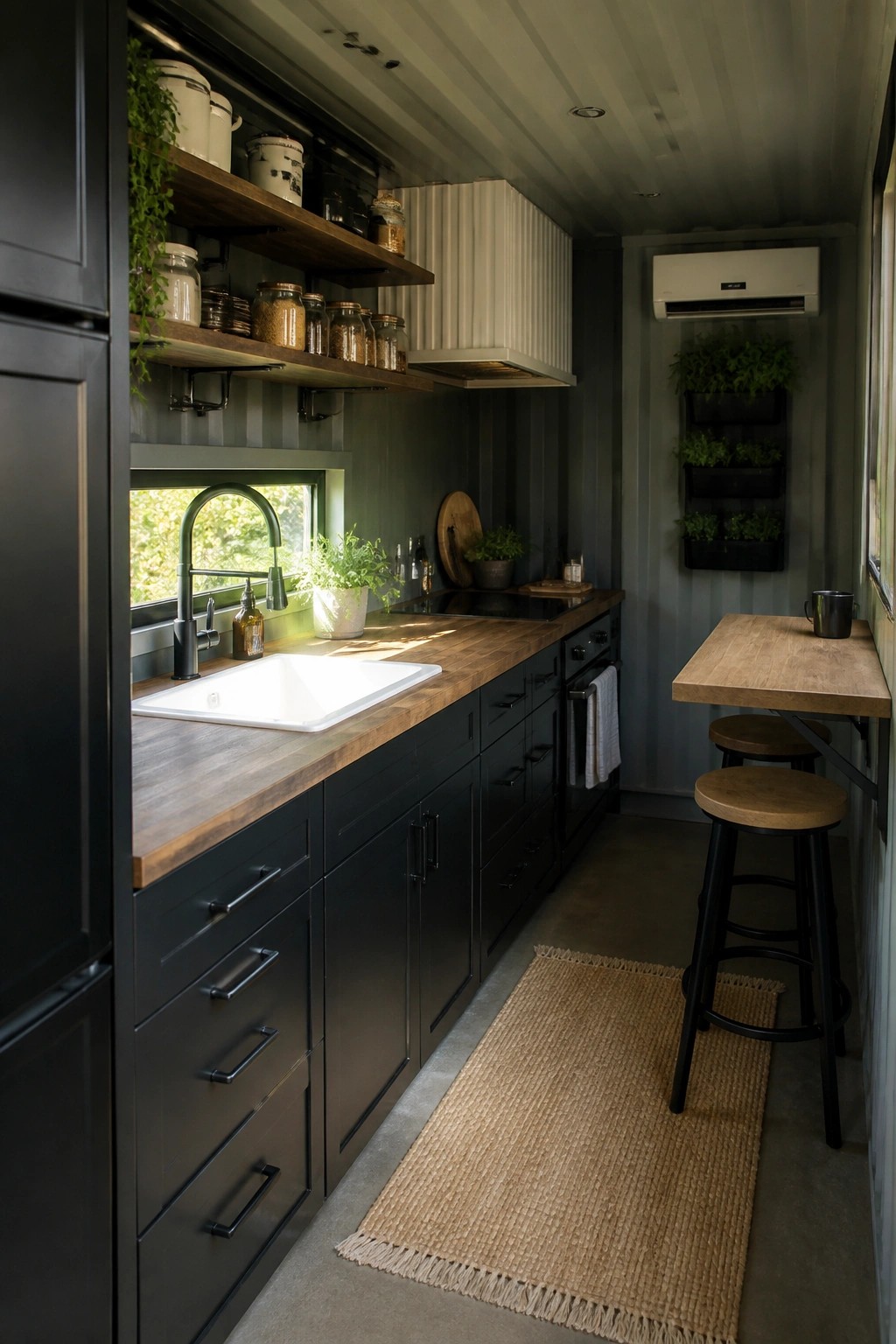
Open shelving works well in a narrow kitchen because it puts everyday staples right where you can see and reach them. In a small space like a container home, that visibility helps you track what you have on hand and cuts down on wasted trips to the store.
It suits homes where people cook from stored goods most days. Place the shelves above the main work area and keep heavier or less used items behind closed doors below. This mix keeps the space from feeling cluttered while still giving quick access to the things you reach for often.
Built-In Storage Above The Bed
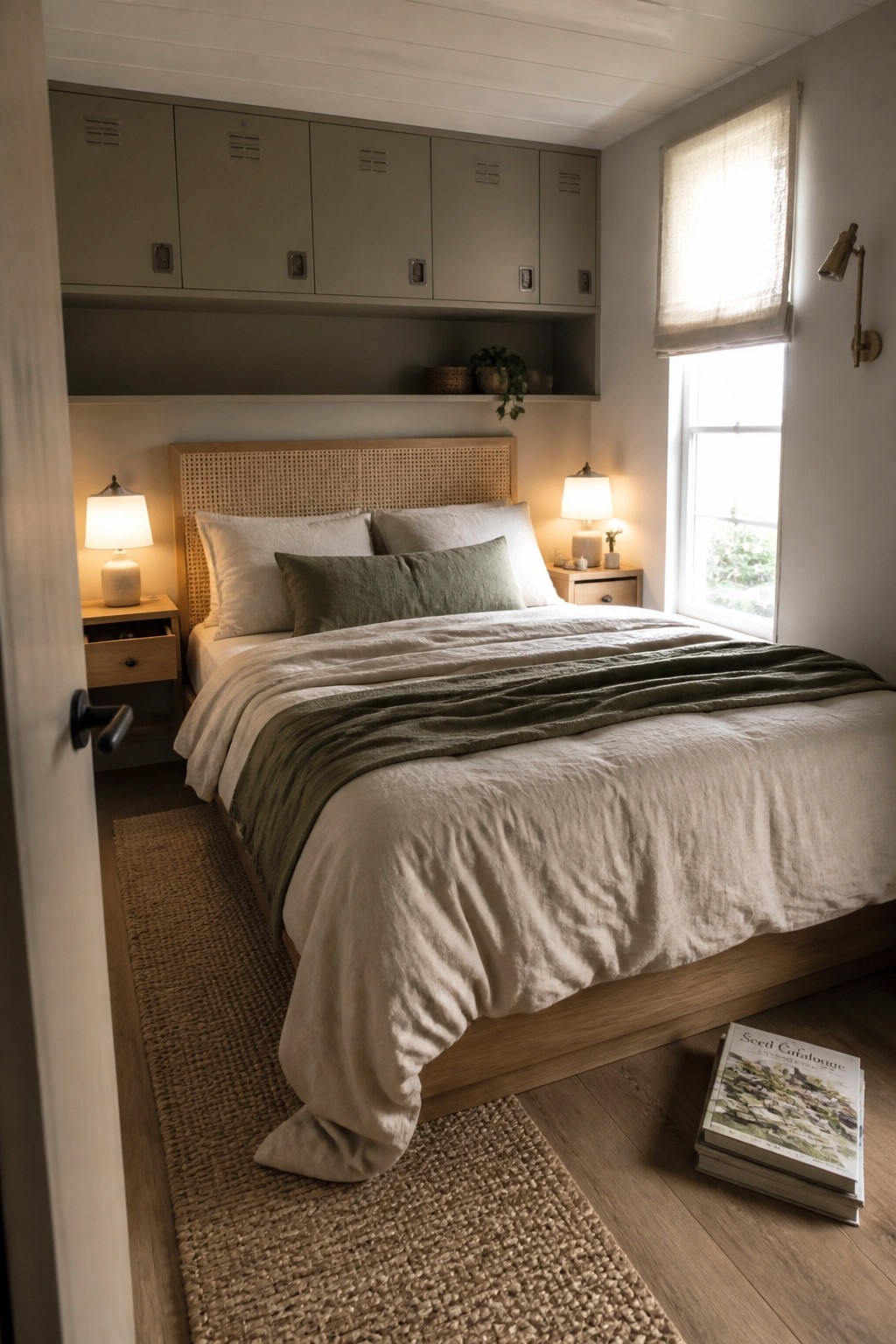
Many small homes gain a lot from cabinets placed directly above the bed. This keeps the floor clear and puts often wasted wall space to work without crowding the room.
It suits compact layouts like container homes where storage needs to stay out of the way. Use the open shelf for a few items you reach for often and keep the closed cabinets for things that stay put longer.
Dark Tiles For A Low Maintenance Bathroom

Many people go with dark tiles across the whole bathroom because they hide water marks, soap scum, and daily use far better than light colors. The single material on walls and floor also reduces the number of edges and corners that collect grime over time.
This choice suits smaller or off-grid homes where cleaning needs to stay simple and materials have to hold up. It works best when the room is used as a wet zone with no separate shower enclosure, though you still need good ventilation to keep moisture from building up.
Keeping Rainwater Tanks In The Garden
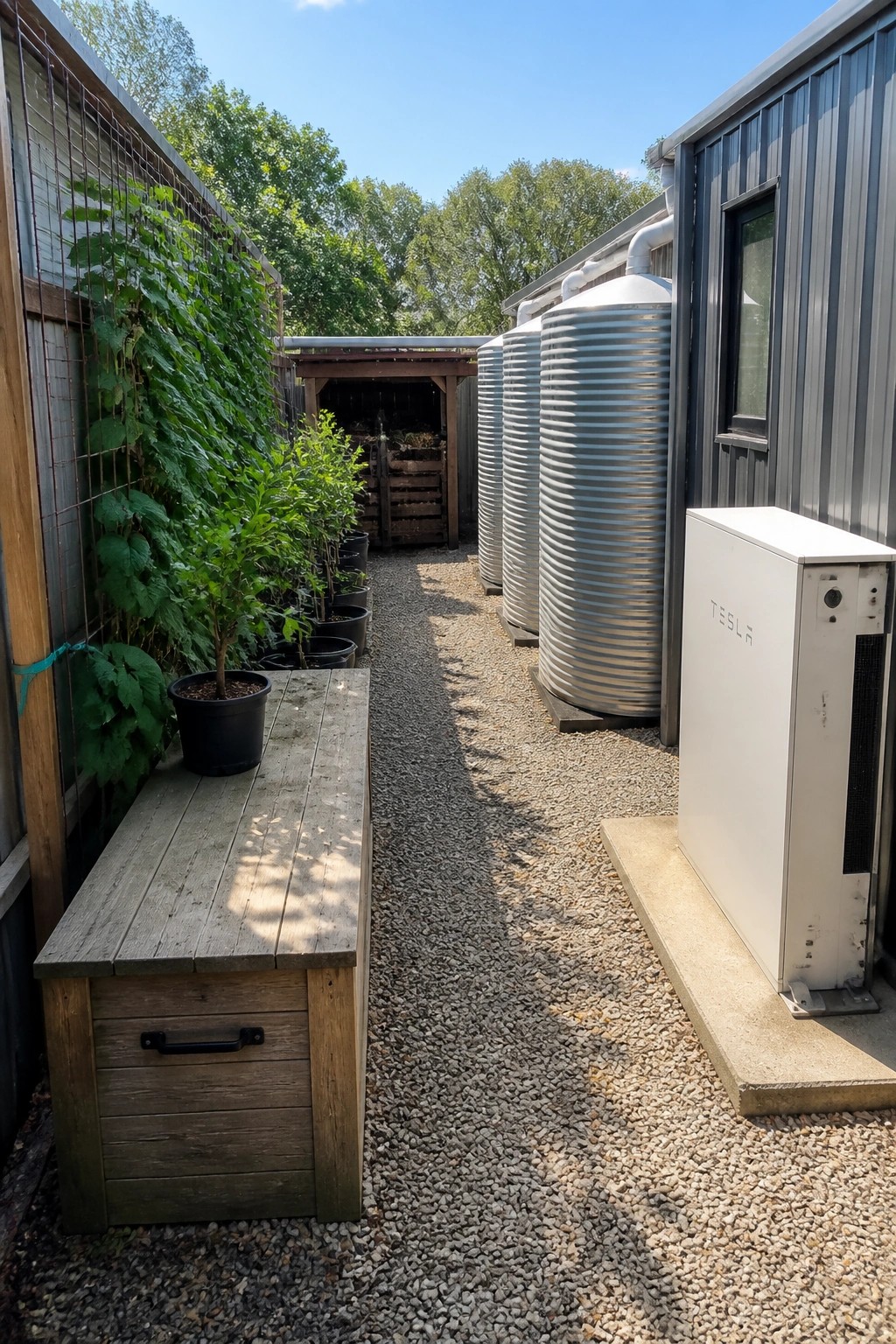
Large metal tanks and a battery unit sit right along a simple gravel path, surrounded by potted plants and a vine-covered trellis. This setup keeps essential water storage and power backup easy to reach while still letting the side yard feel like part of the garden rather than a separate service area. Many off-grid container homes need this kind of equipment, and placing it in the open avoids extra sheds or hidden corners that can turn into maintenance headaches.
A gravel path works well here because it handles foot traffic for checking tanks and hoses without turning muddy. The same approach suits narrow side yards or tight lots where every foot of space counts. Just leave enough room on one side for access and let the plants soften the rest.
Combine Solar Panels With Raised Garden Beds
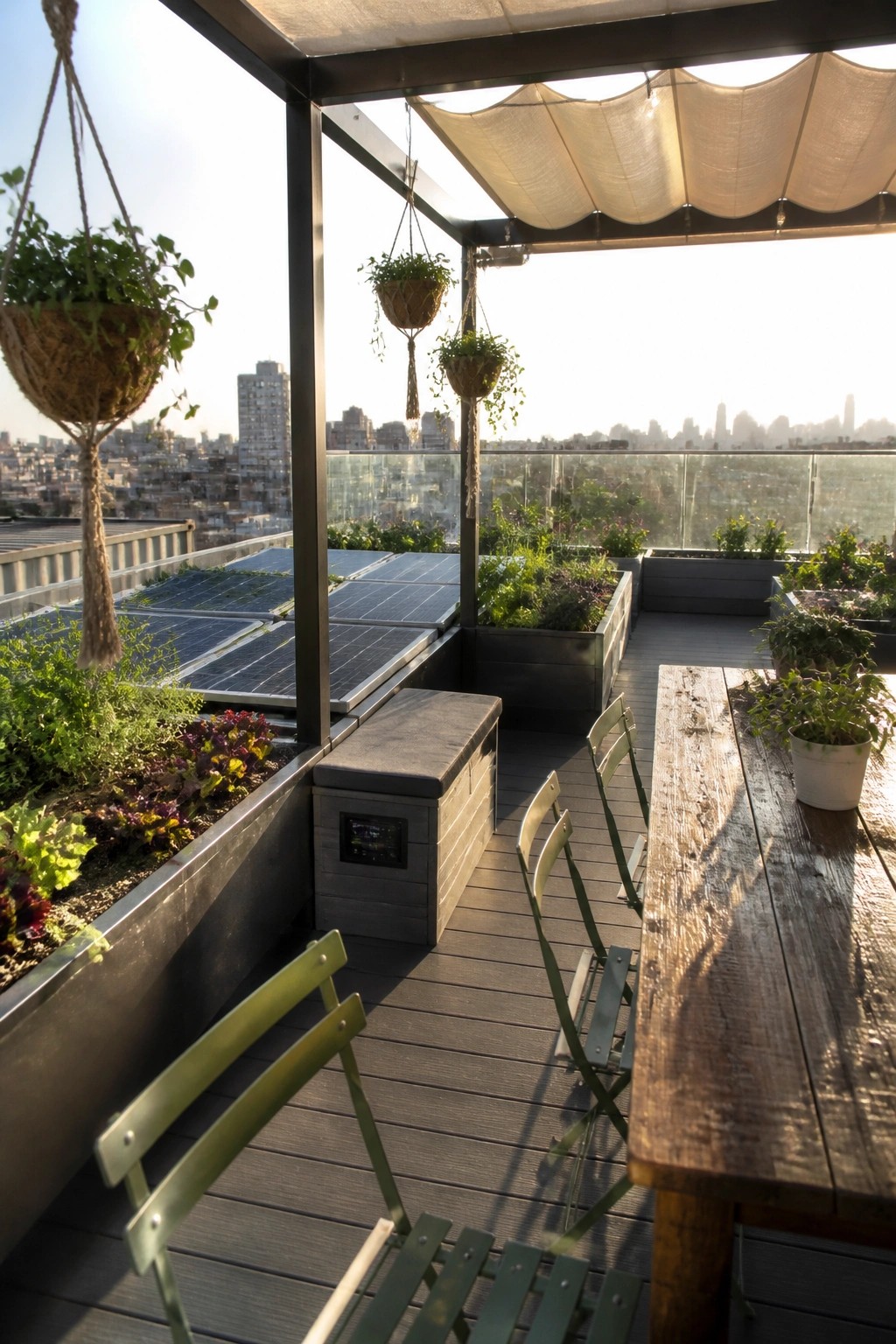
Many people like this approach because it turns one outdoor area into both a power source and a growing space. The solar panels sit right beside the beds so nothing gets wasted on a small roof or deck.
This works best on container homes where every square foot counts. Keep the seating close but leave clear paths so you can tend the plants without moving furniture around.
Built-In Shelving Fits Small Workspaces Well
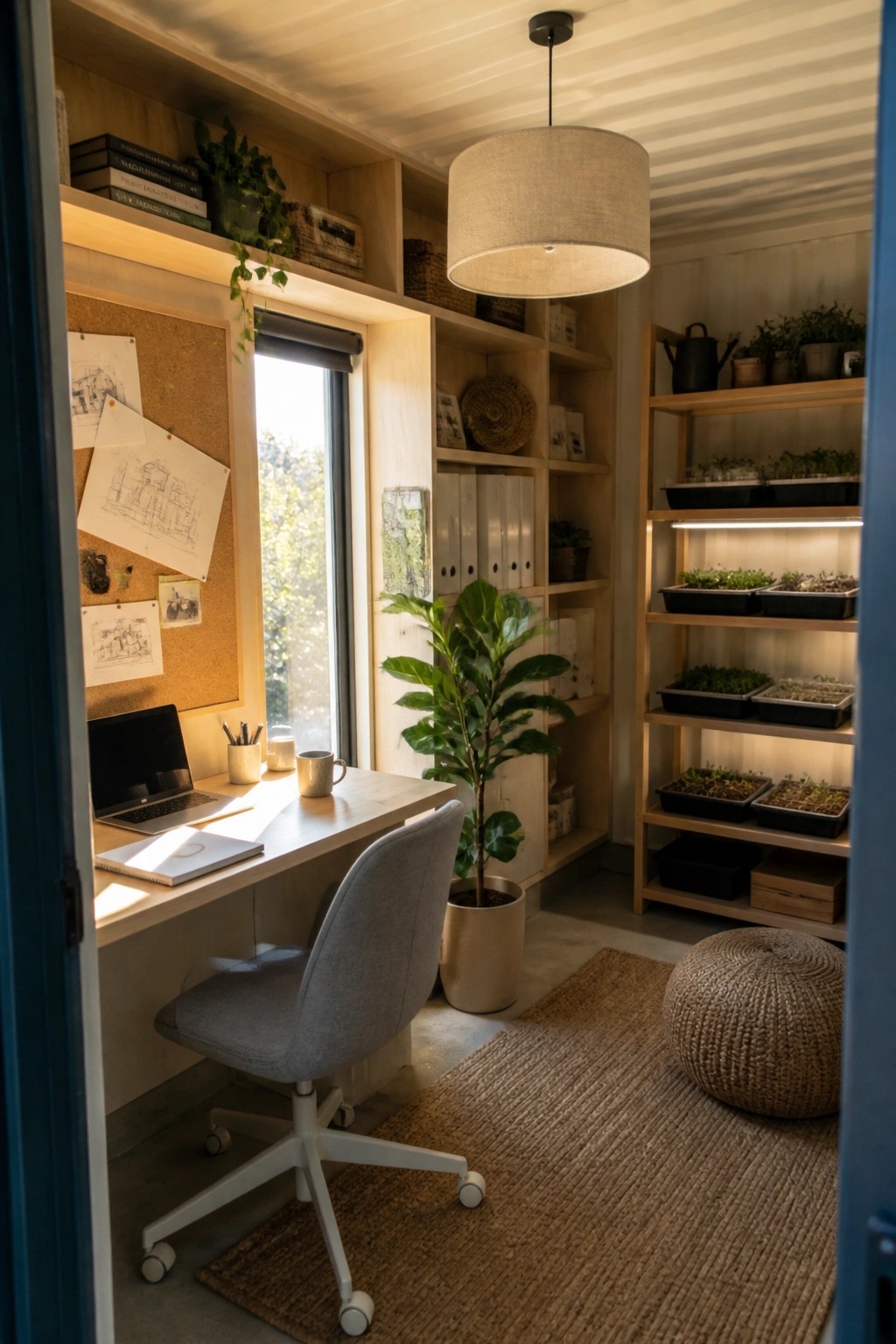
Built-in shelving gives you a full workspace without taking up extra floor space. In a container home the wood cabinets and open shelves hold books, supplies, and plants while the desk stays clear for daily use. The setup feels simple and keeps everything close at hand.
This kind of built-in works best along one wall in a quiet corner or a short hallway section. It suits homes that need to stay organized without adding more furniture, and it leaves the rest of the room open for other uses.
Adding Vertical Planters to Maximize Balcony Space
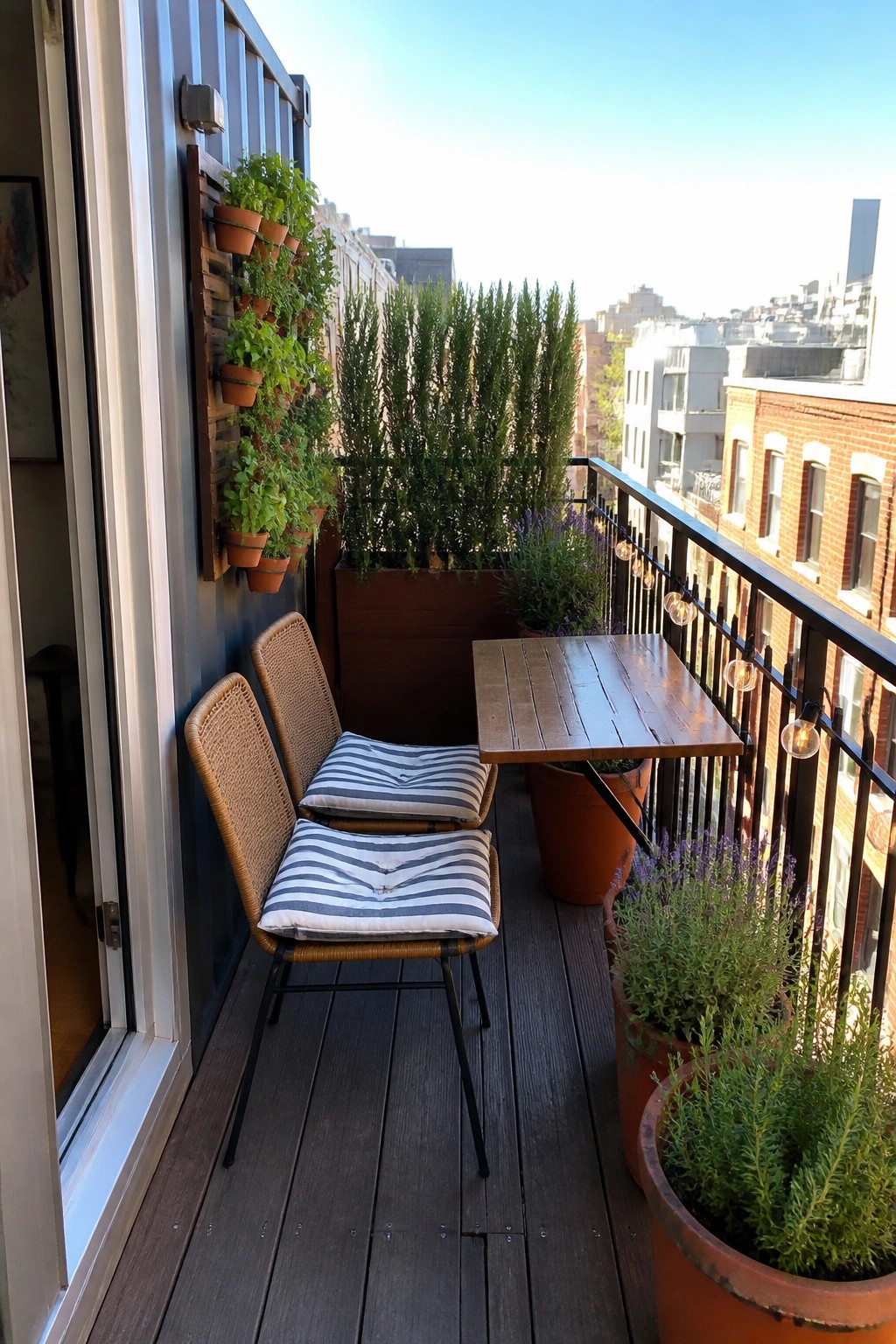
One way to stretch a small balcony into something more useful is to run a vertical planter up the wall. It keeps the floor open for a couple of chairs and a table while giving you extra room to grow herbs, greens, and flowers right where you need them.
This setup works well on container homes because the outdoor area is often tight. Mount the planter on the side wall, fill it with matching pots, and check that the drainage is simple so water does not pool on the deck.
Gravel Paths That Blend Into the Landscape
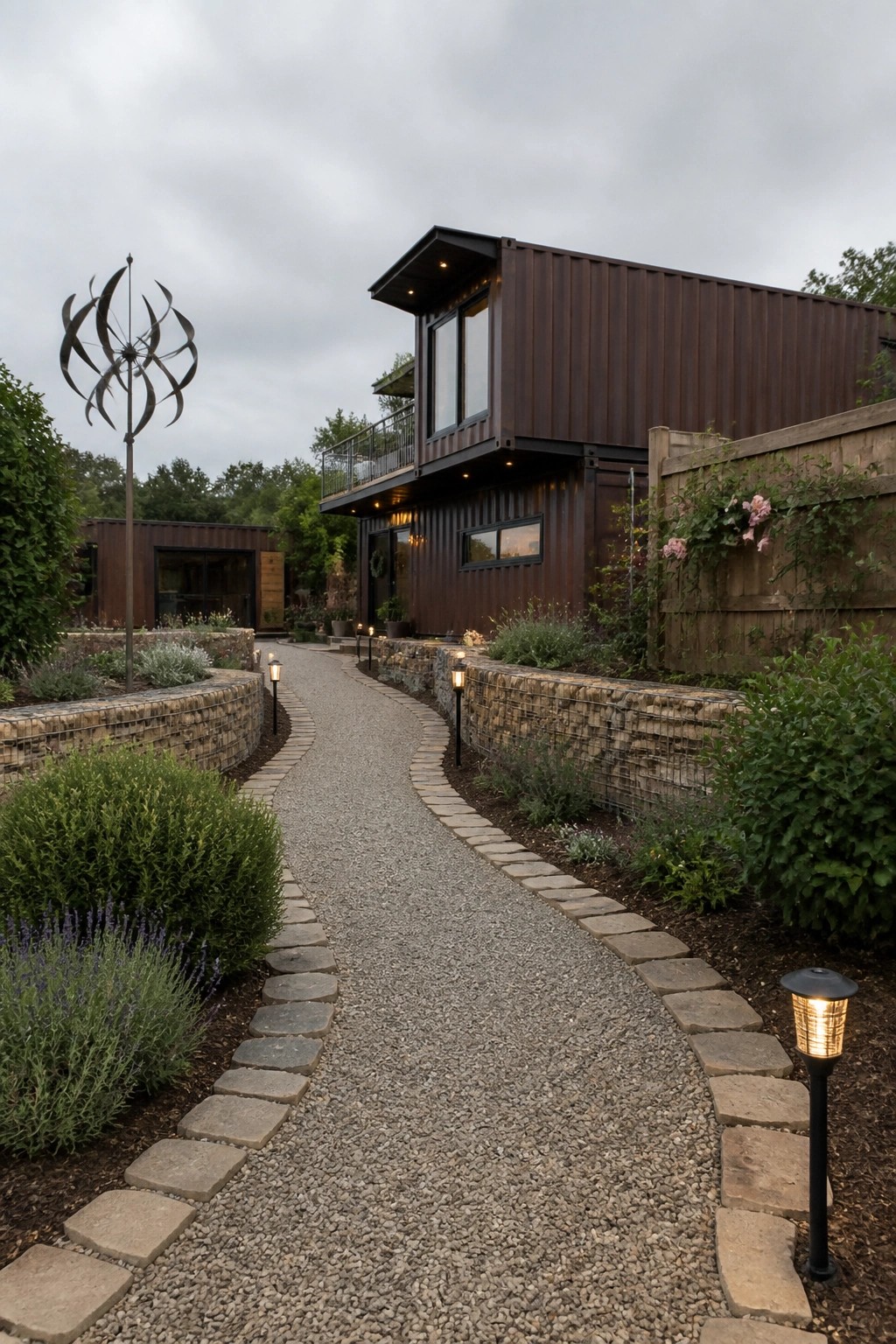
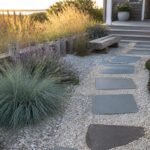
A simple gravel path with stone edging works well around container homes because it feels casual and keeps the focus on the surrounding plants instead of hard surfaces. The loose material drains easily and lets you adjust the route later if the garden beds expand.
This approach suits off-grid setups where you want low maintenance and a natural transition from the house to the yard. Keep the edges low and add a few path lights so the route stays safe at night without needing much power.
Centering the Living Area Around a Wood Stove
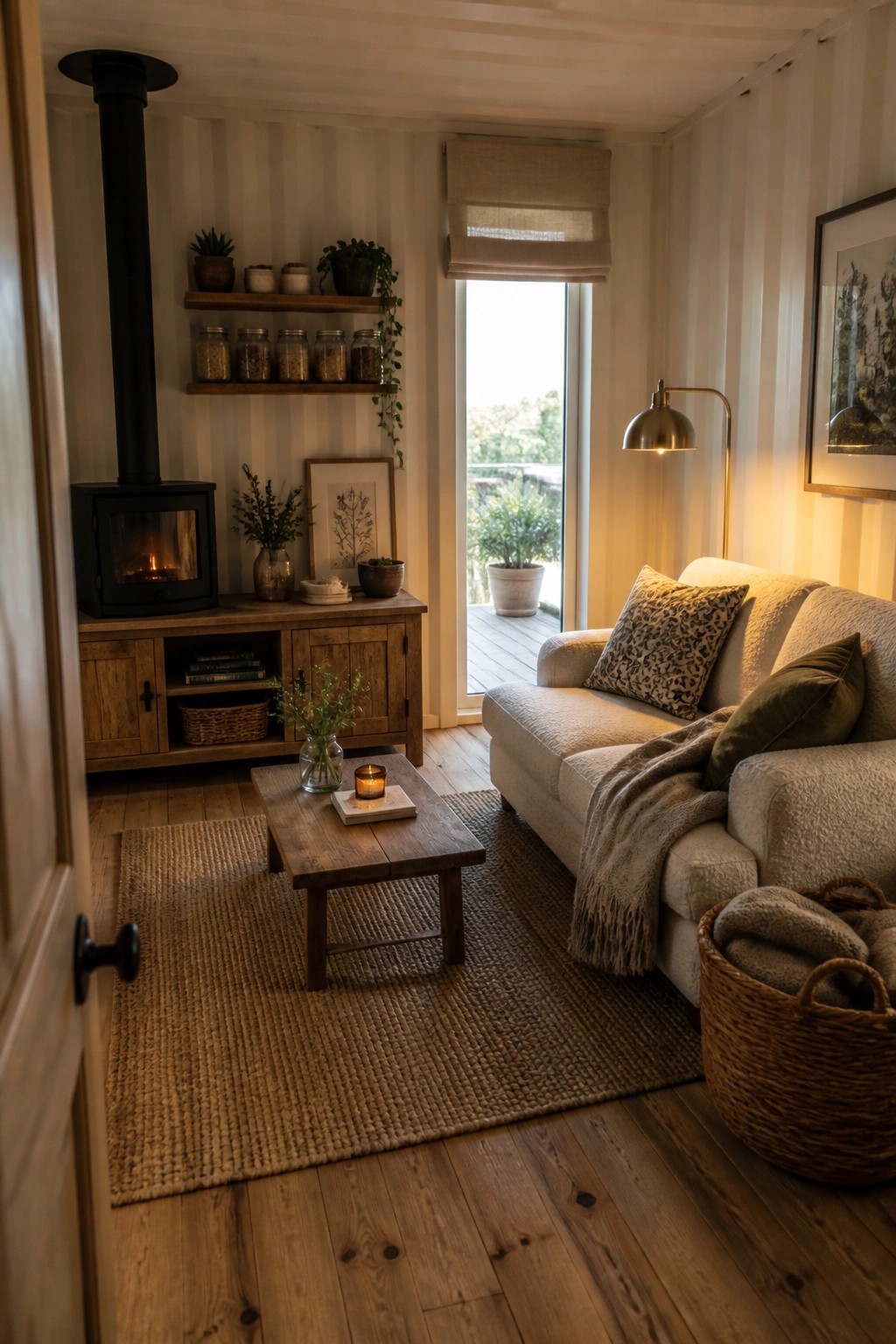
A wood stove works well as the main heat source in a small off-grid home. It keeps the space warm without needing extra systems, and the layout naturally pulls seating toward it so the room feels used and practical.
This approach suits compact interiors where the stove can sit safely on a simple base near the main seating. Keep other furniture low and the floor clear so heat moves evenly and daily movement stays easy.
Outdoor Kitchen Areas That Work Well With Container Homes

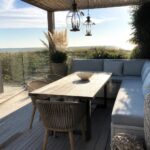
An outdoor kitchen makes a lot of sense on a container home because it keeps heat and mess outside while giving you a place to cook without relying on indoor appliances. The setup here shows how a simple wood-fired oven can sit right beside a dining table so meals move straight from cooking to serving with almost no extra steps.
This kind of layout works best in mild climates where you can use the space most of the year. Keep the oven and counters under cover, add a small sink and fridge if you can, and use sturdy chairs that can stay out all the time. It cuts down on indoor energy use and makes the most of the outdoor space around the container.
Stepping Stone Paths Through Garden Beds
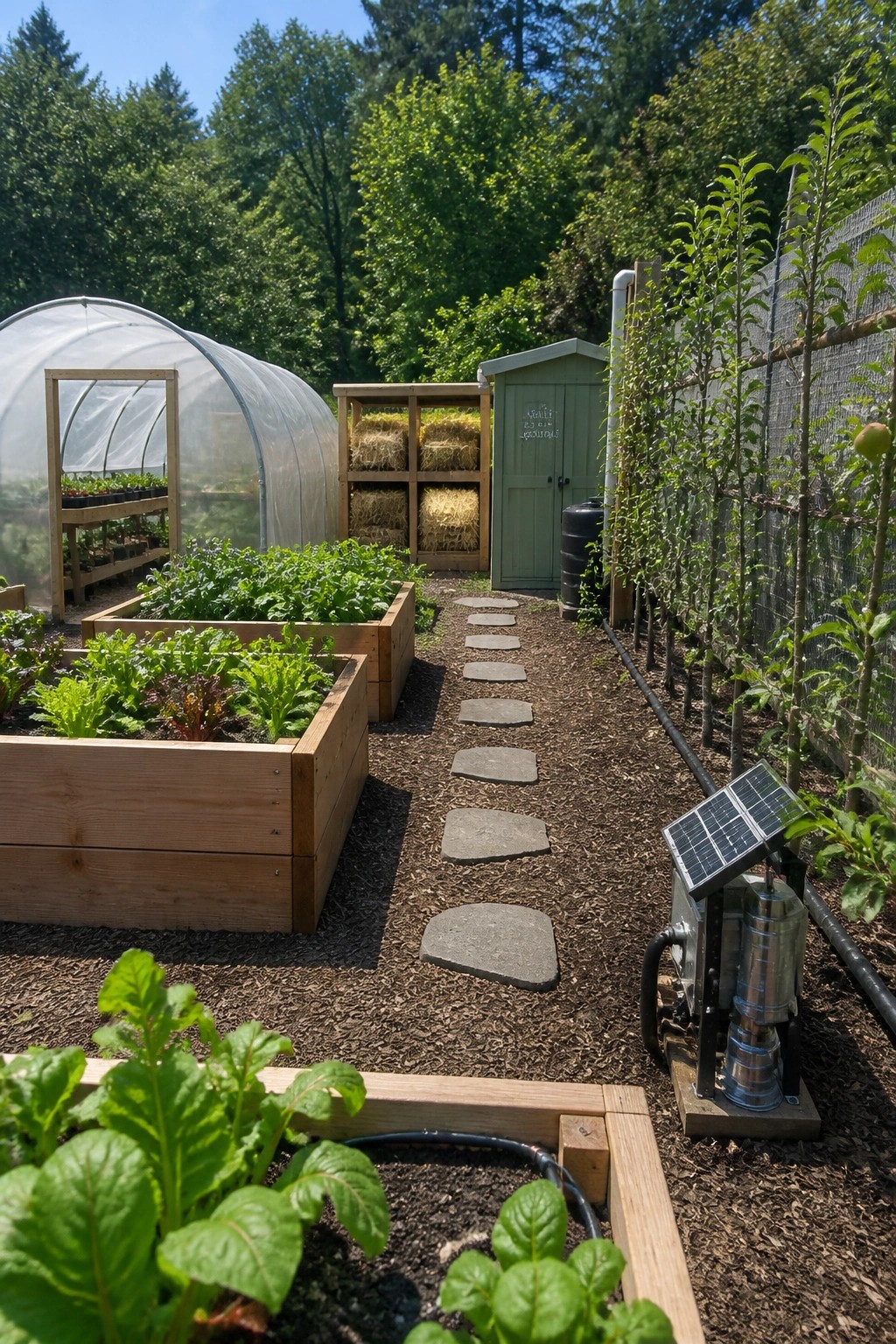
Stepping stones give you a simple way to move through vegetable beds without compacting the soil or crushing plants. They keep daily tasks like weeding and harvesting straightforward, especially when beds are packed close together.
This layout suits off-grid homes because the stones need almost no upkeep and can be shifted as beds change. Lay them along the routes you use most, such as between raised boxes and near water sources.
A Pegboard Wall Keeps Tools Within Reach
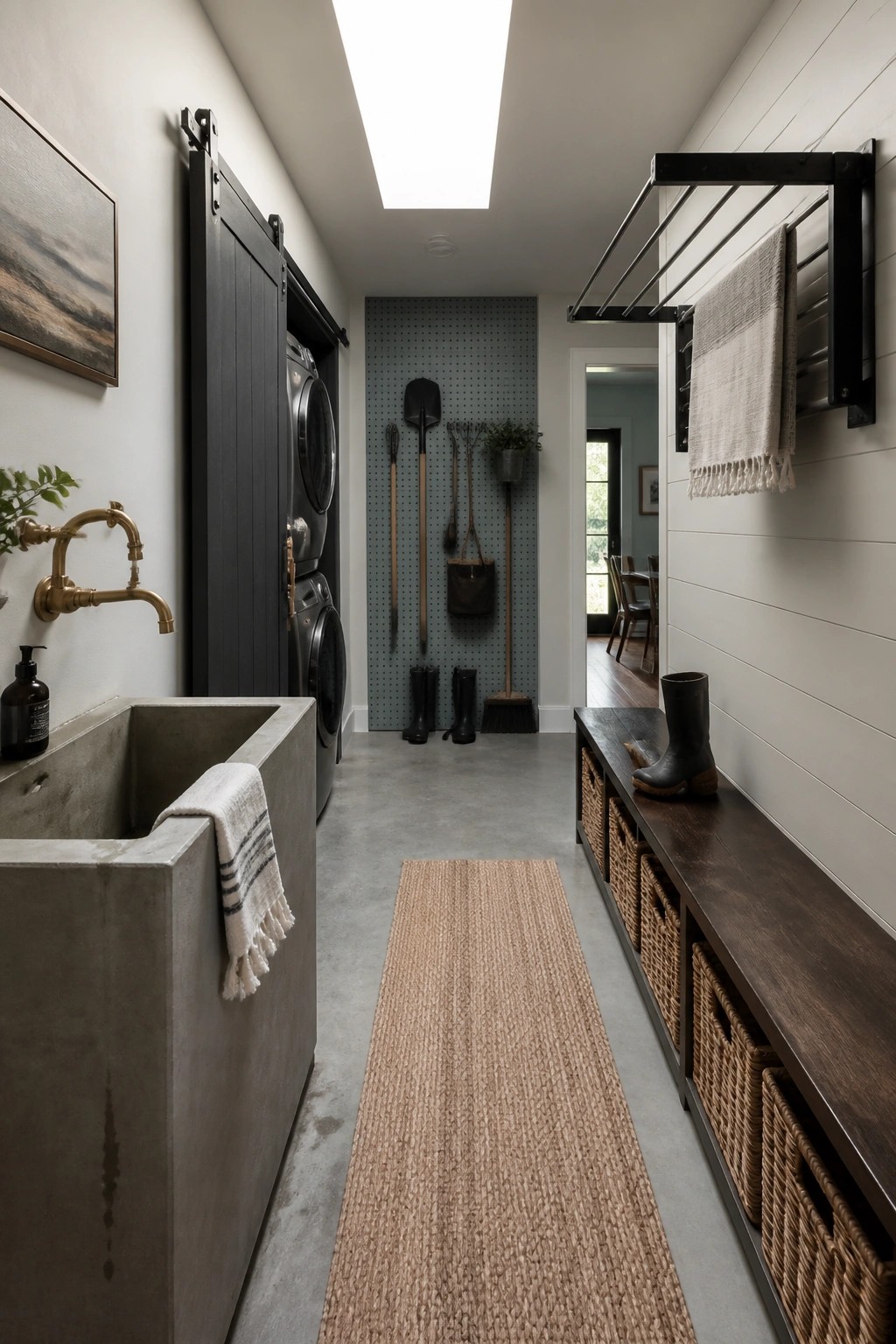
In a self-sufficient home, tools need to stay organized and easy to grab without digging through cabinets. A pegboard wall gives you that quick access while keeping everything visible and off the floor.
This setup works especially well in a compact utility space or mudroom near the back door. Mount the board on a simple wall, hang your most-used items, and add a bench with baskets underneath for boots and smaller gear.
Adding Solar Panels to Container Homes
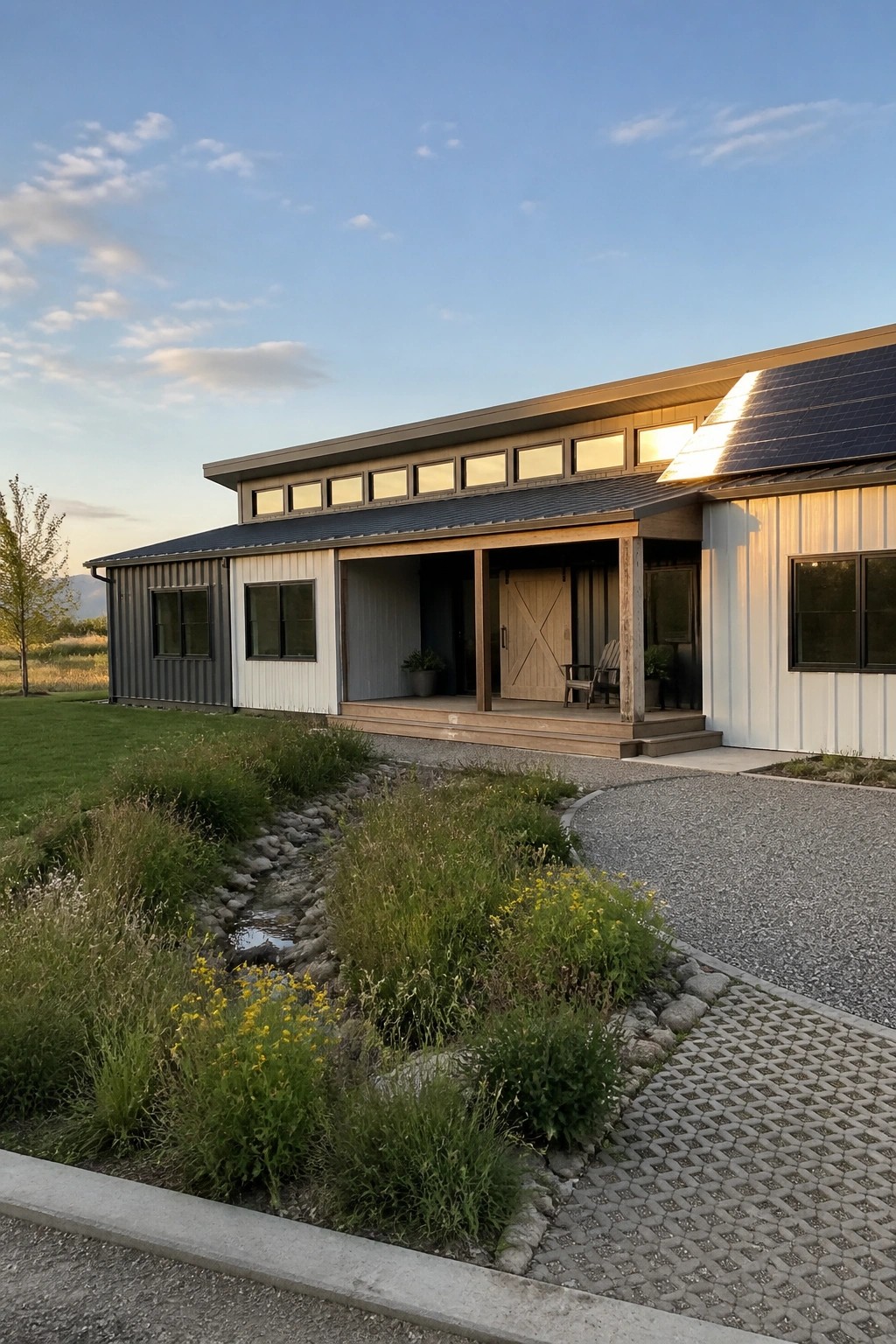
Solar panels work well on container homes when they sit flat along the roof edge instead of sitting on top like an afterthought. This keeps the roofline clean and lets the house still look like a simple structure rather than a tech installation. The panels can handle daily power needs without requiring extra frames or tall racks that catch wind.
This approach suits homes on open land where sun exposure is steady. It works best if the roof already faces south or southwest, and it helps when you plan wiring runs before the roof goes on. Watch roof weight limits so the containers do not need extra reinforcement.
Shelving for Starting Seeds Indoors
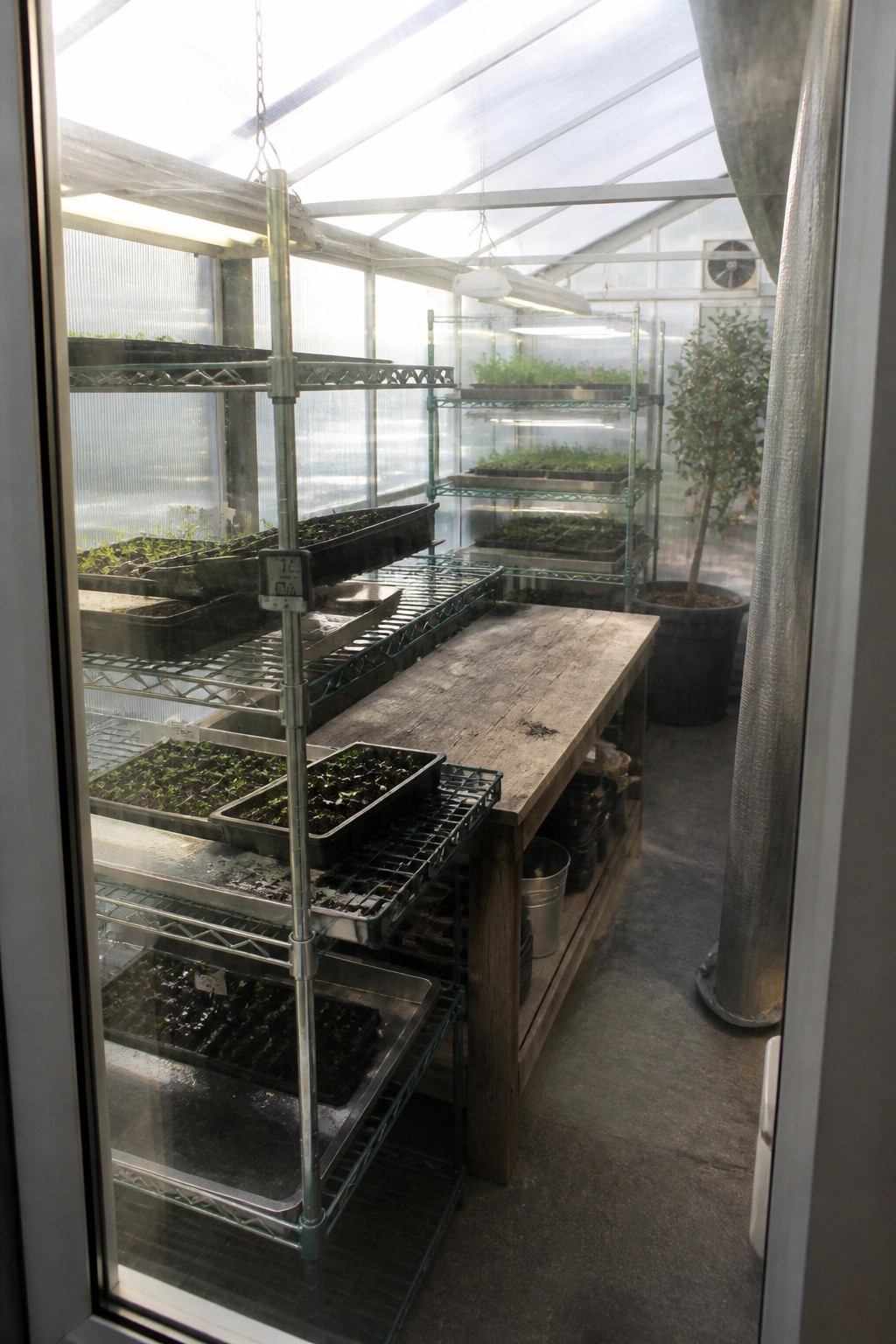
Metal shelving gives you a simple way to start large numbers of seedlings without crowding your main living space. The open racks hold trays at different heights so plants get light from above while staying easy to water and move.
This kind of setup fits well in a small greenhouse attached to a container home or in any bright indoor corner. Keep the shelves near a window or under basic grow lights and leave enough room on the lower levels for taller plants later in the season.
Built-In Beds Add Storage In Tight Spaces
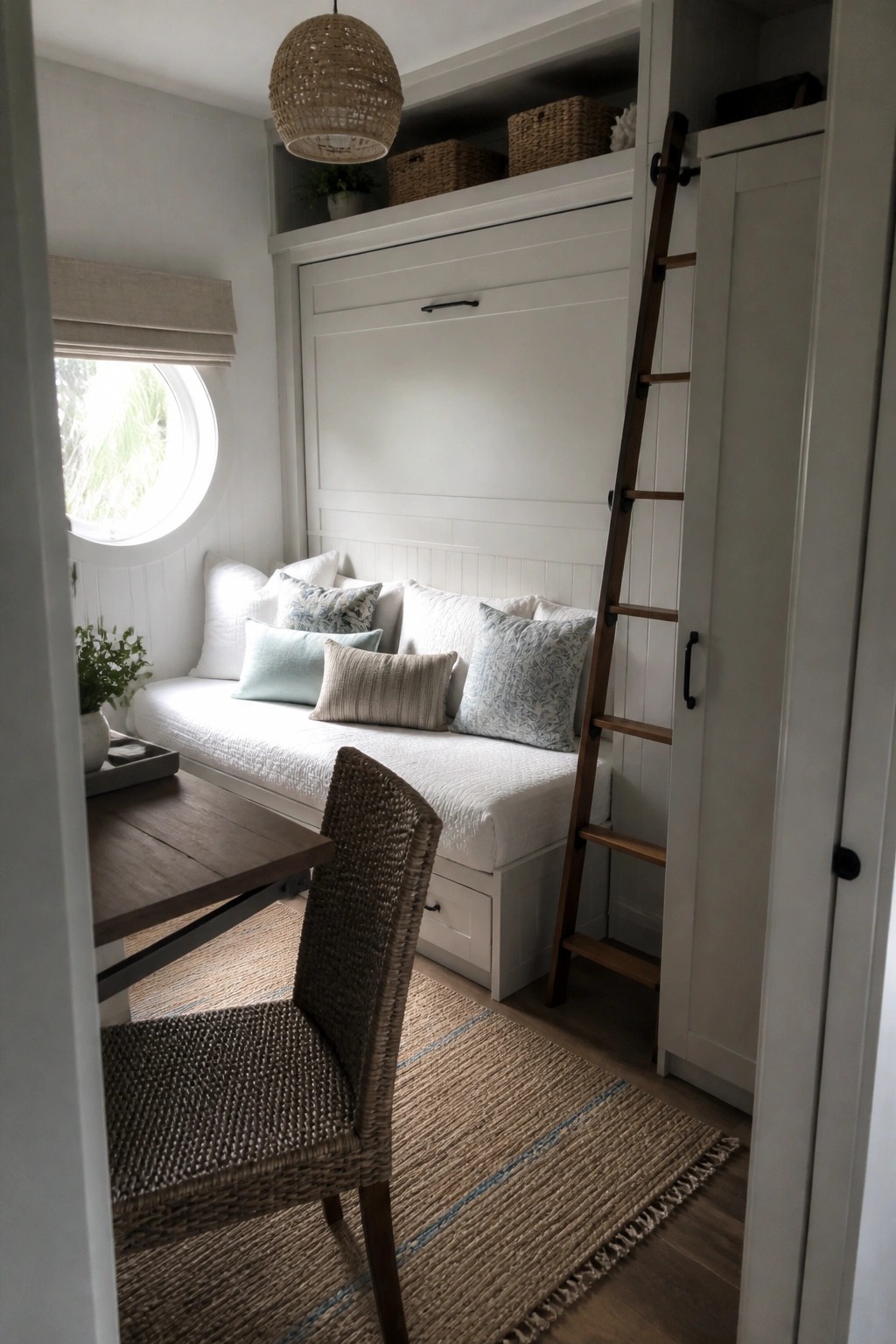
A built-in daybed with drawers underneath gives you sleeping space and storage in one piece. This keeps the floor clear and makes the room feel less crowded.
A ladder to overhead cabinets works the same way by using the full height of the room. It suits small homes or container setups where floor space is limited and every bit of storage matters.
Add A Pond For Everyday Water Support
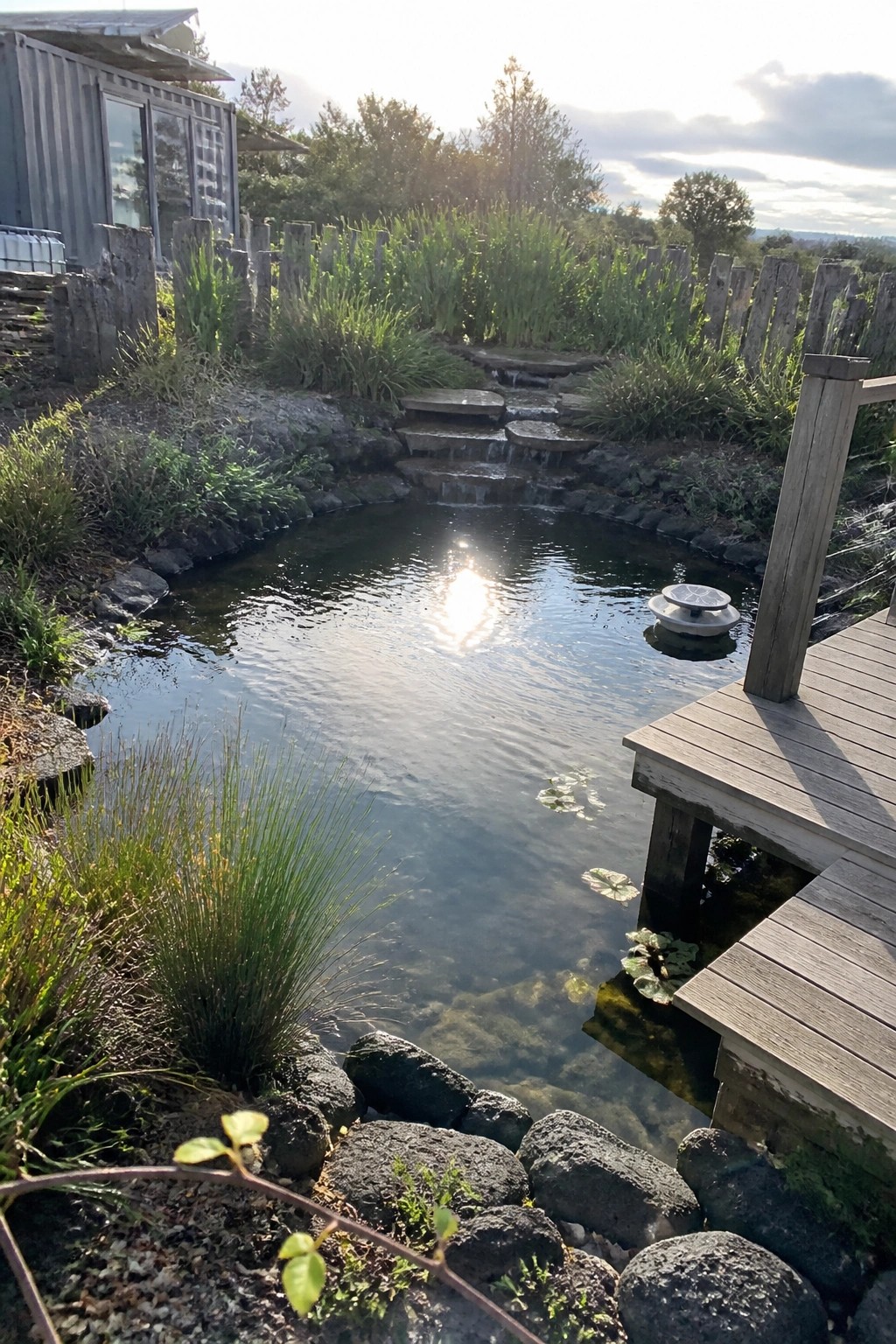
A small pond with a simple cascading feature fits well into an off-grid container setup. It gives you a steady spot for water collection or reuse while blending the home into the surrounding land without much extra structure.
This works best on sites with a slight slope so gravity can move the water. Keep the edges natural with rocks and native plants, and check that the liner stays sealed if you plan to use the water for anything practical.
Add Storage Right By The Front Door
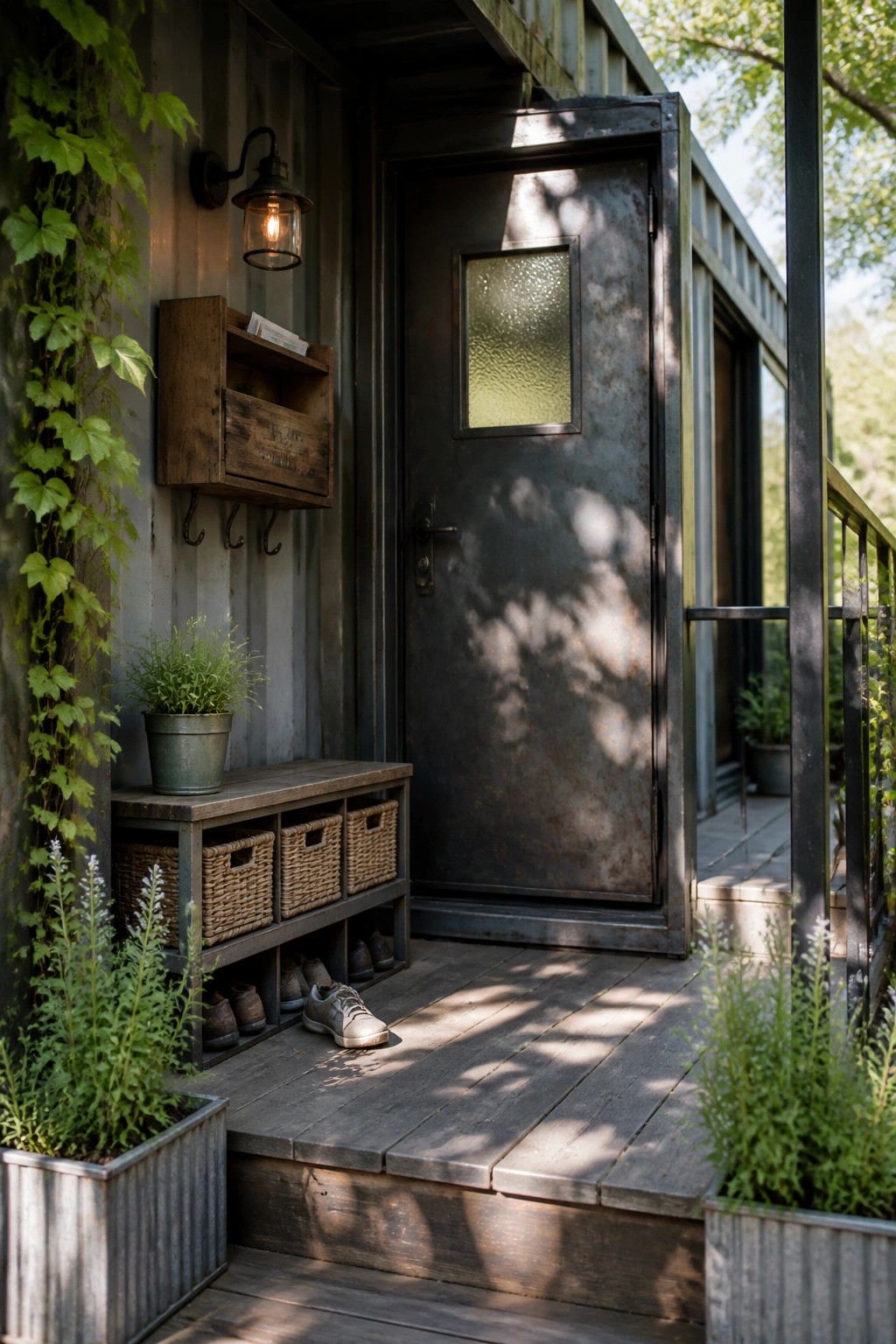
A low bench with open cubbies and baskets placed right at the entry keeps shoes and daily items from scattering across the deck. It gives you a place to sit and sort things without needing extra furniture or a big closet inside.
This works well on container homes where every foot of space counts. Match the bench to the deck boards so it feels like part of the structure rather than an add-on.
Create A Functional Workshop Space
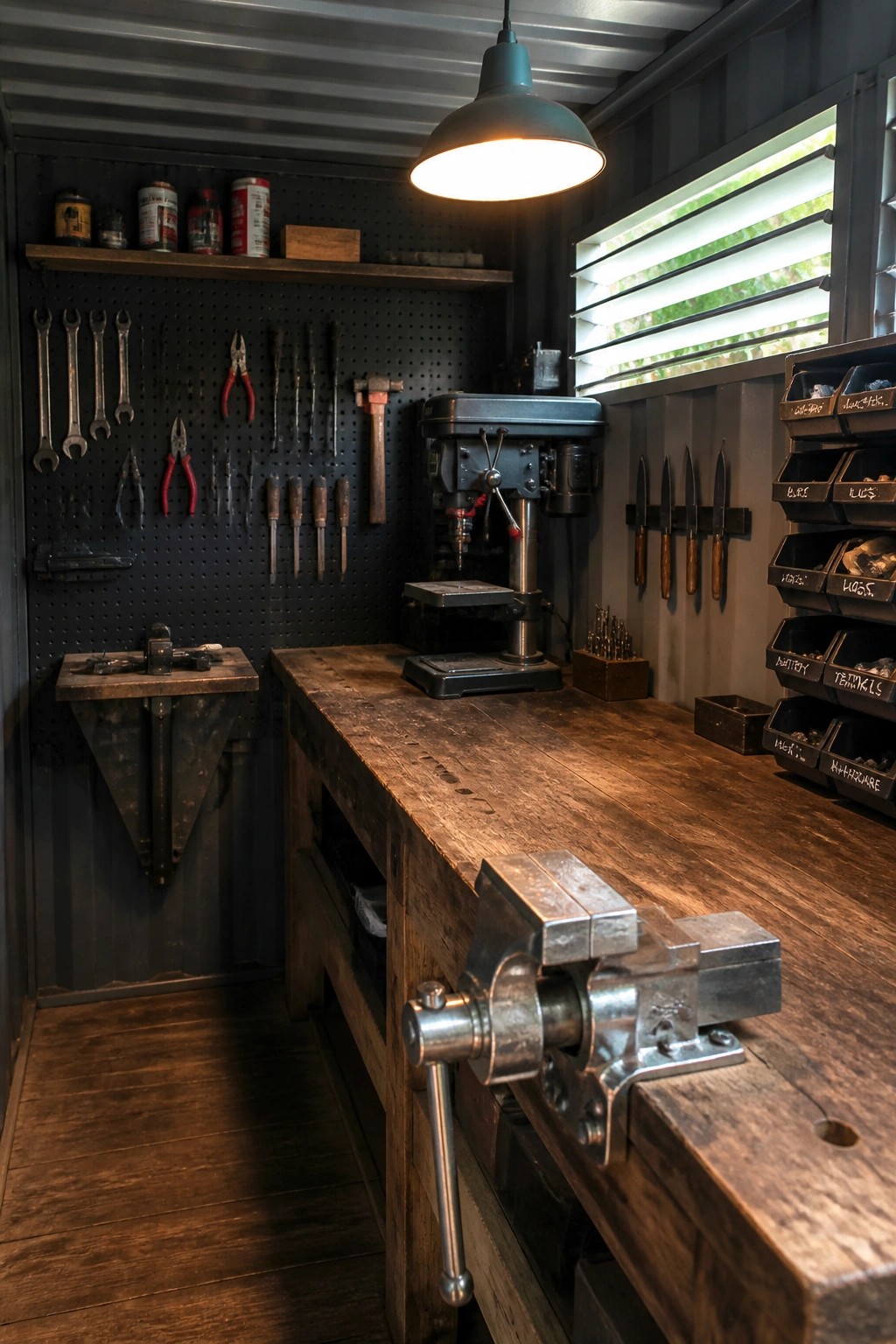
Having a dedicated spot for tools and repairs makes daily maintenance much simpler in an off-grid container home. It keeps everything in one place so you do not have to hunt around or bring in outside help for small jobs.
Mount a pegboard above the bench to hold frequently used tools and add labeled bins along one wall for screws, nails, and spare parts. This setup works well in any small space where you need quick access without cluttering the floor.
Build a Learning Garden in the Play Area
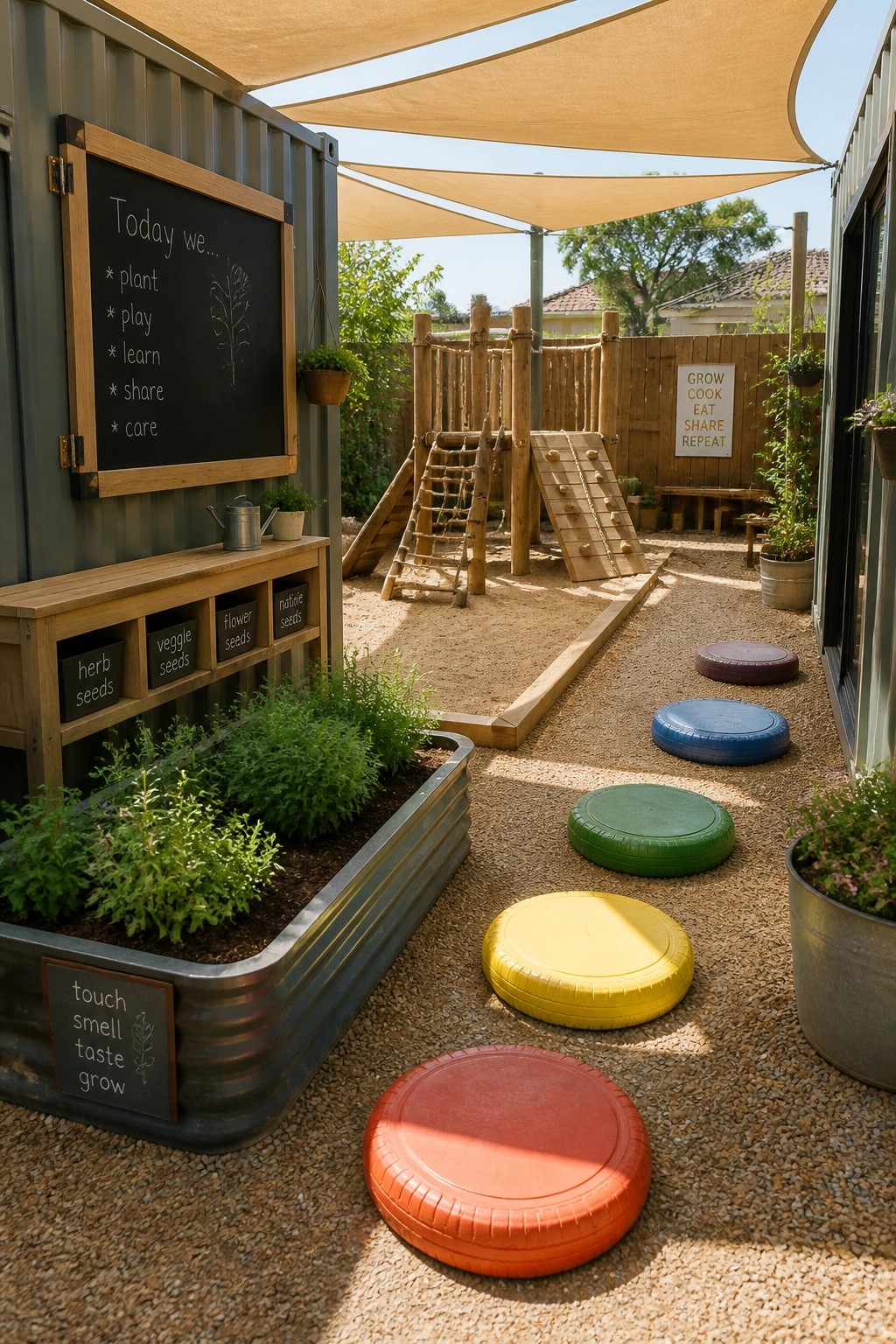
One way to support self-sufficient living is to combine a play space with actual gardening work. A chalkboard for daily tasks and labeled seed bins make it easy for kids to join in planting and caring for the beds without needing much direction.
This setup works best in smaller yards where every section has to serve more than one purpose. Keep the beds low, use simple path markers like old tires, and place the board where it stays visible but out of the way. It suits families who want children involved in growing food from the start.
Frequently Asked Questions
Q: How do you power a container home without any grid hookup? A: Mount solar panels on the roof to charge a battery bank. Run your fridge, lights, and pumps from that stored power. A backup generator fills in during long cloudy stretches.
Q: What do you do about water and waste in a setup like this? A: Catch rain from the roof in large tanks and filter it for daily use. Direct sink water to outdoor plants while handling toilet waste with a composting system. This keeps everything flowing on site.
Q: How well do these homes handle cold winters? A: Add thick insulation to the walls and ceiling before you move in. Seal every seam tight to hold heat from a wood stove or propane heater. But test your local freeze levels first so the pipes stay safe.