I often find that Victorian homes keep their character best when the original millwork stays in place, since the trim shapes how light moves through each room and gives the space a settled feel.
Walking through houses like these, I notice the way crown molding and door casings create natural divisions that help furniture placement feel less random.
The small choices add up.
When I look at my own rooms, I think about which preserved details would actually stand up to regular use instead of just sitting there for show.
Keeping those layers of woodwork tends to guide how people move and gather without adding extra pieces to fill the space.
Built-Ins That Match The Existing Millwork
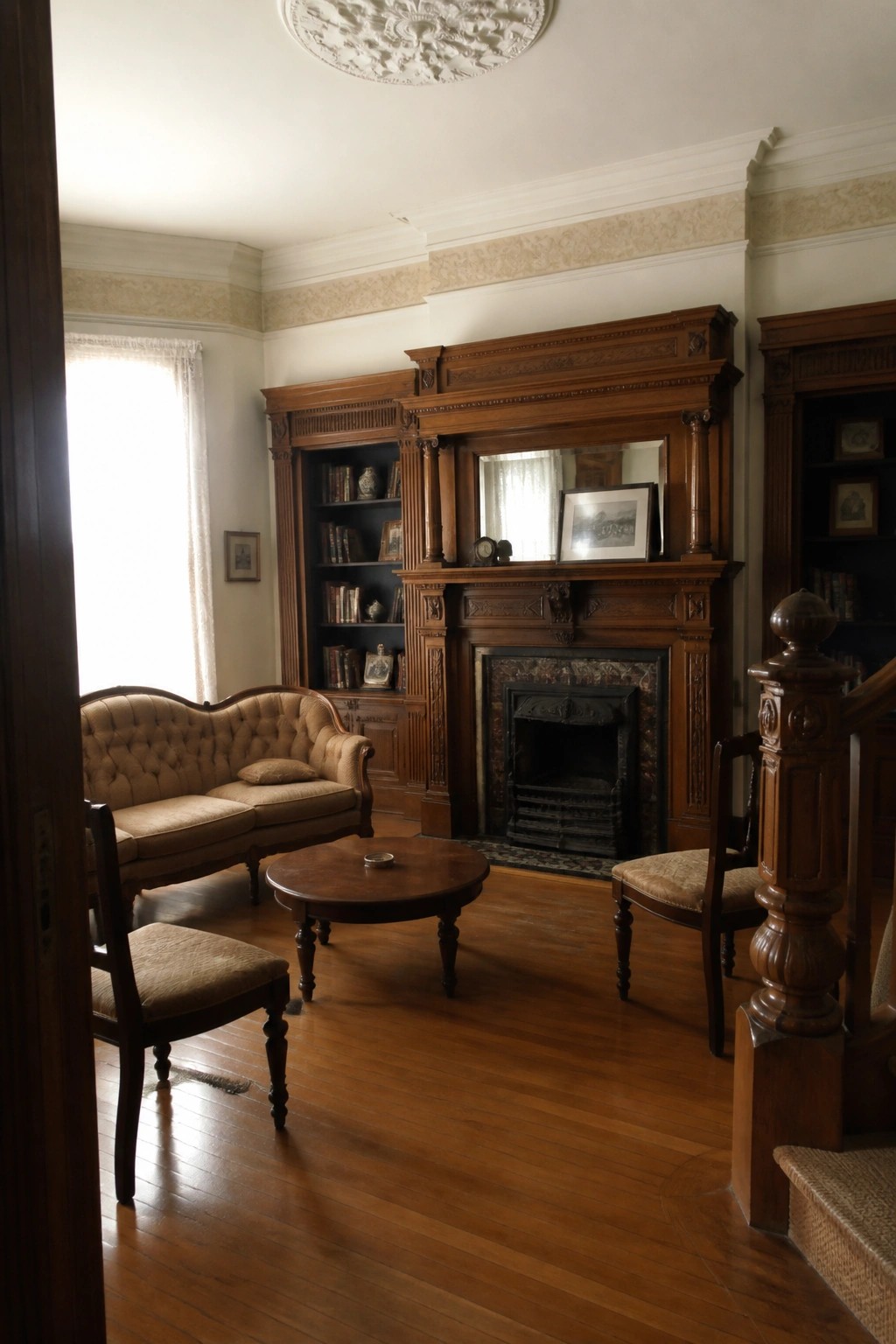
Built-ins can add storage without breaking up the look of an older room. In this space the shelves sit right into the wall beside the fireplace so the woodwork stays continuous and the original trim still reads as one piece.
This works best in homes where the millwork is already strong. Match the wood tone and the profile of the trim so the new shelves feel like they were always there rather than added later.
Built-In Cabinetry That Highlights Original Millwork
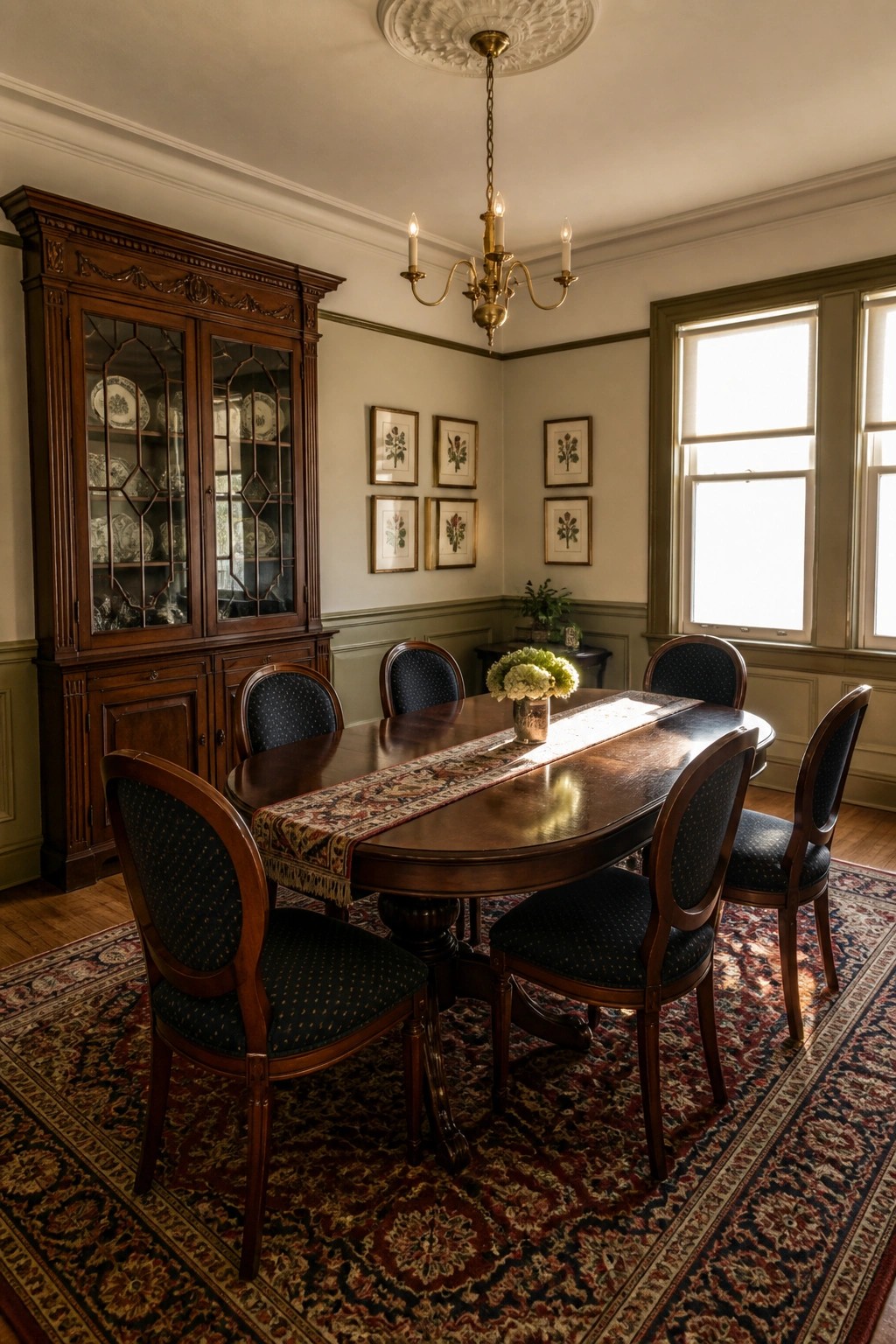
One simple way to keep period details front and center is to use a large built-in cabinet that matches the room’s existing trim and carvings. The glass doors let light pass through while still showing off the woodwork instead of hiding it behind solid panels.
This works best in dining rooms of older homes that still have most of their original wood intact. It gives you storage and display space without breaking up the lines of the millwork or making the room feel like a mix of old and new.
Painted Cabinets That Keep The Millwork
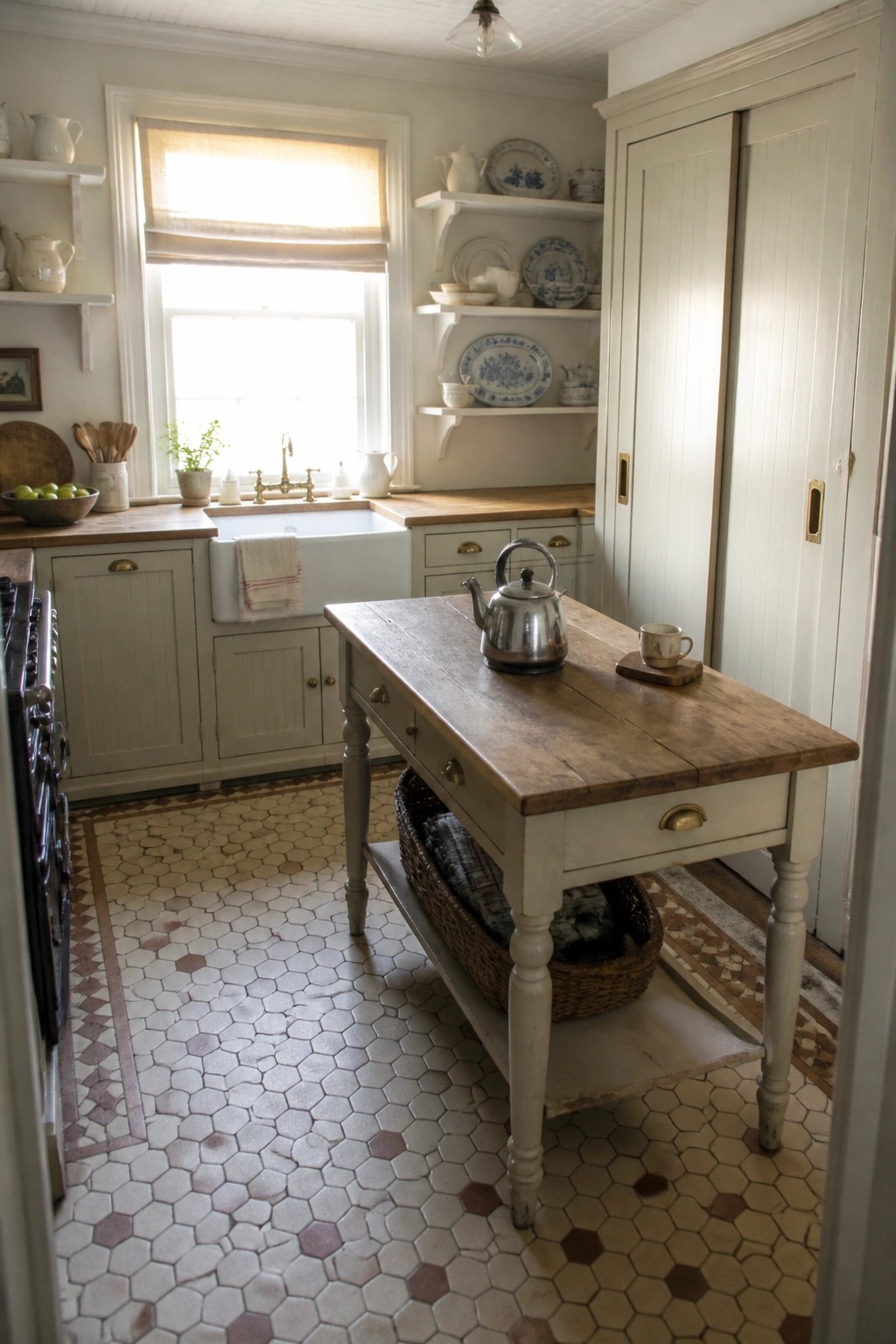
Painting the cabinetry a soft color lets the original paneling and trim stay visible without fighting the rest of the room. The doors keep their shape and depth, so the Victorian details still read clearly even after an update.
This works well in older homes where the built-ins are worth saving but need to feel part of a working kitchen. Stick with a muted tone that sits back from the wood tones around it, and avoid heavy distressing that can hide the lines you want to keep.
Preserving Period Built-Ins
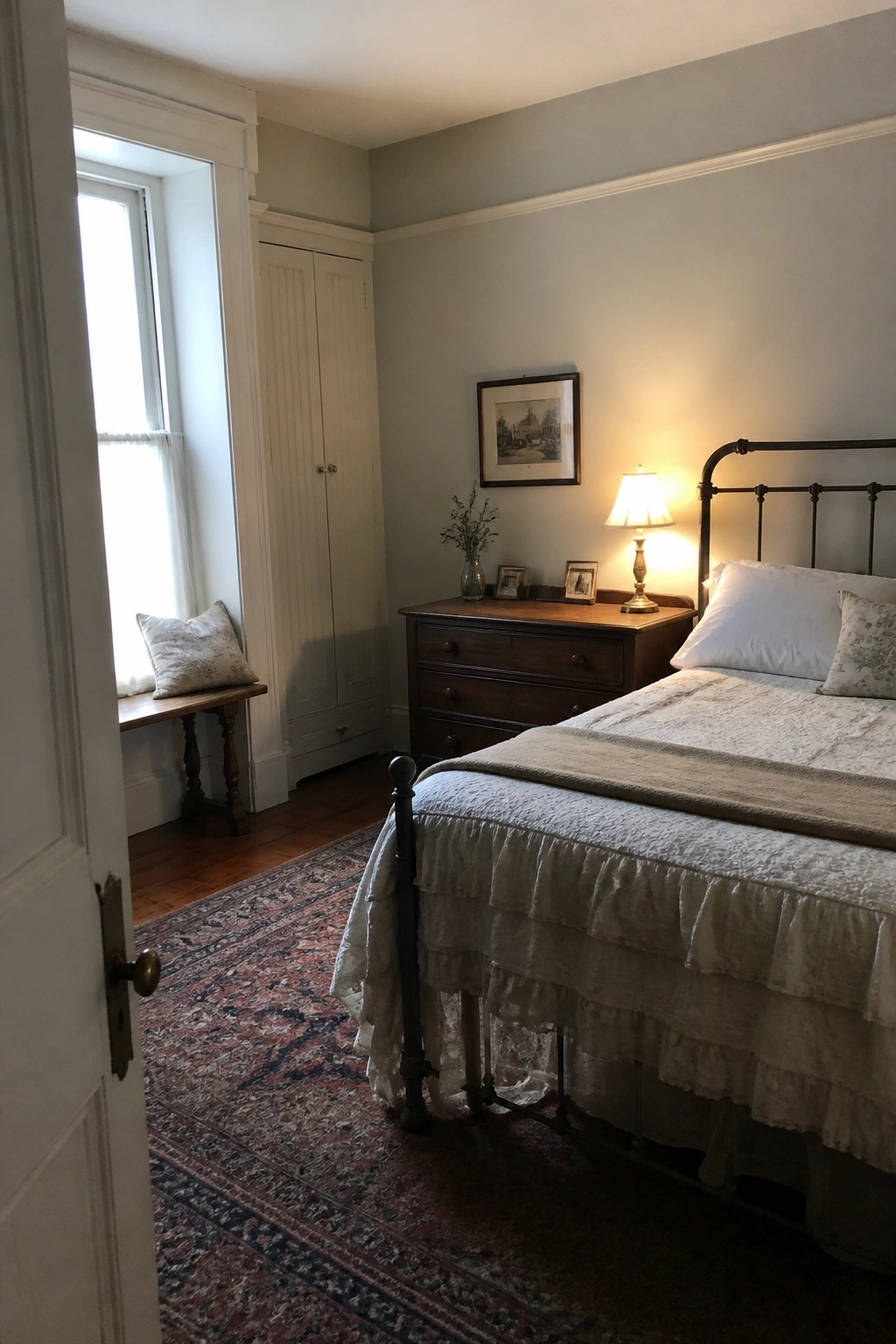
The tall cabinet next to the window shows how keeping original millwork gives a room both storage and real character. It blends into the wall plane so the trim and doors feel like they have always been there.
This approach works best in Victorian houses where the built-ins can be restored and painted to match the surrounding casings. It suits bedrooms that need extra closet space without adding new furniture that might clash with the age of the house.
Built-Ins That Follow The Original Trim

Adding built-ins next to a bay window lets you gain storage without covering up the millwork that makes the room feel Victorian. The cabinets here line up with the window frame and use the same dark wood and molding profile, so the new pieces read as part of the original architecture rather than something added later.
This works well in any room that already has strong trim details and needs extra shelving. Keep the desk low and centered in the window so the woodwork above stays visible, and match the finish on the new cabinets to the existing trim for a quiet, settled look.
Preserving Original Wainscoting In The Entry

Many Victorian homes still have their original wainscoting running along the lower walls of the entry hall. It gives the space a finished edge and helps the door and window trim feel connected rather than added later.
This approach works best when the rest of the millwork stays in place too. Keep repairs minimal, match the paint carefully, and avoid covering it with new paneling that changes the proportions.
Wicker Furniture for Rooms With Original Millwork
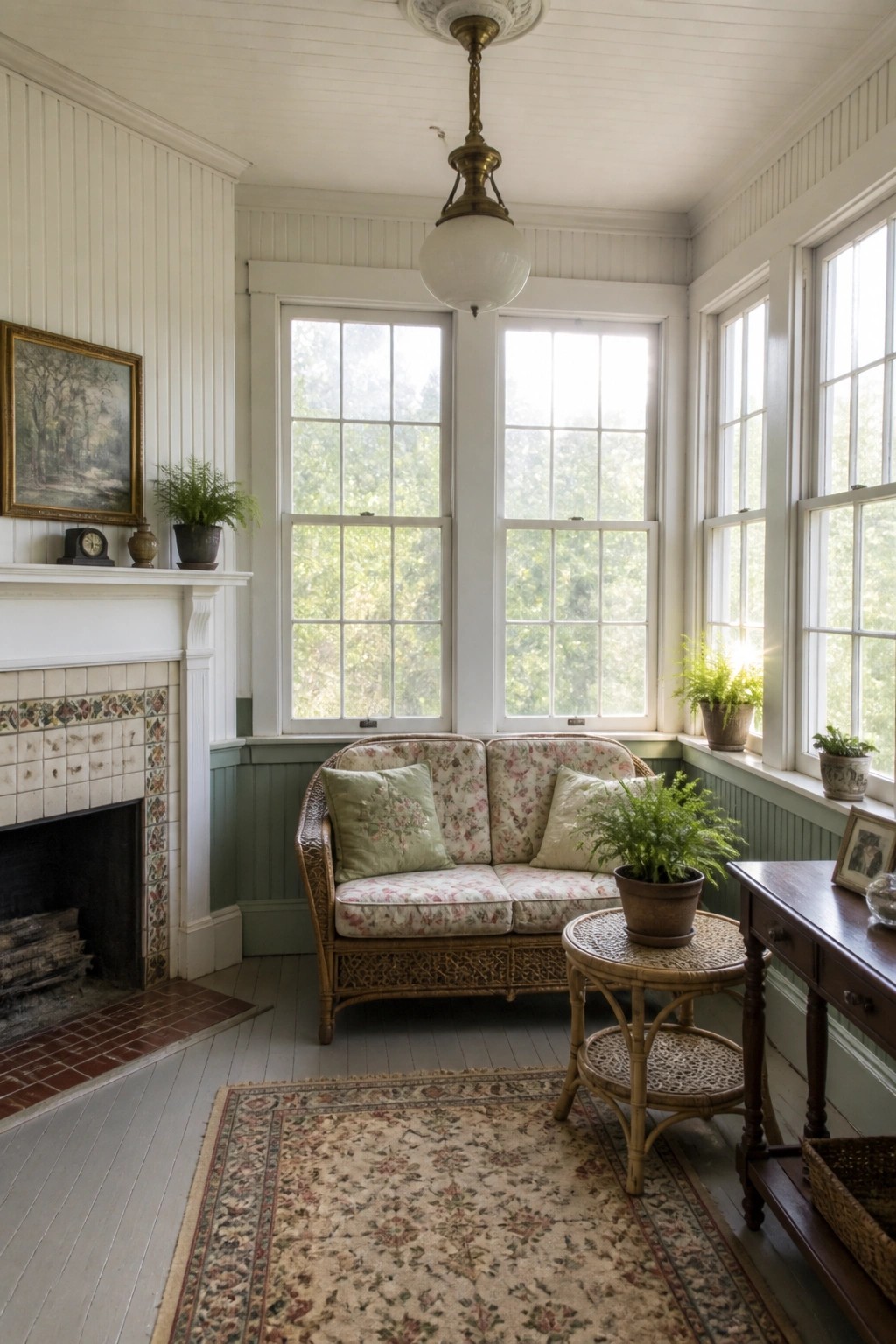
Wicker seating fits well in spaces that still have their original windows and trim. It stays light enough that the wood details remain the main focus instead of getting lost under heavier pieces.
This approach works best in Victorian homes where daylight comes through from several sides. Choose simple frames and soft cushions so the room feels comfortable without crowding the architecture.
Built-In Benches That Work With Original Trim

Built-in seating under bay windows gives an older home extra function without covering up the trim that already exists. The bench here sits low and follows the line of the windows, so the molding stays visible and the whole area feels like part of the original structure rather than something added later.
This approach works best in dining rooms or breakfast nooks where you need extra seating but want to keep the room open. It suits homes with intact Victorian millwork, since the bench can be painted to match the existing woodwork and the base can echo the paneling already on the walls.
Open Shelving In Utility Rooms
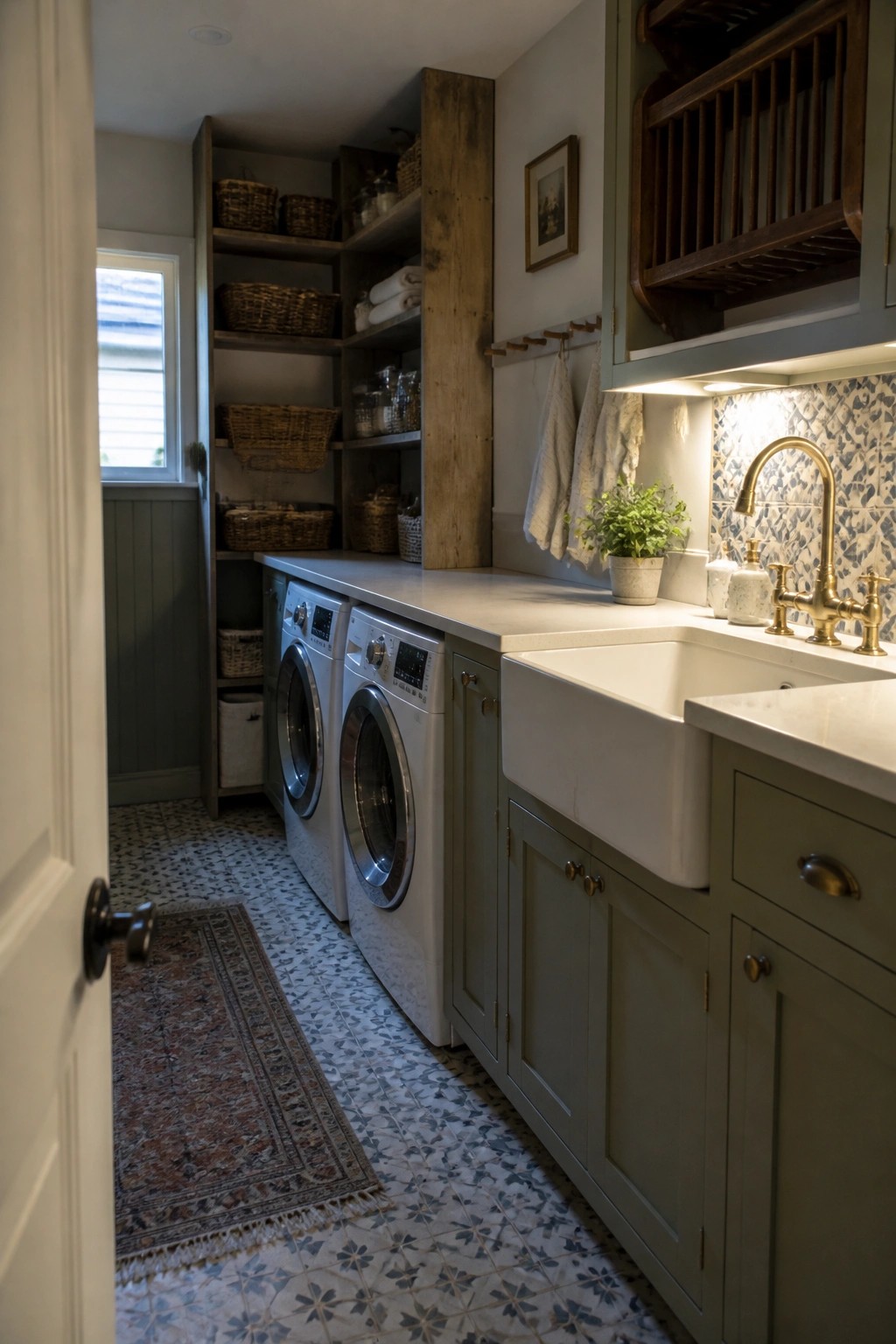
Many older homes gain a lot from adding open shelving in laundry areas. It keeps supplies visible and easy to reach while avoiding the heavy look of more closed cabinetry above the machines.
This approach works best when the lower cabinets stay painted to match the home’s original millwork. The shelves can then hold baskets without crowding the space or hiding the details that give the room its period character.
Keeping Original Arches in a Nursery
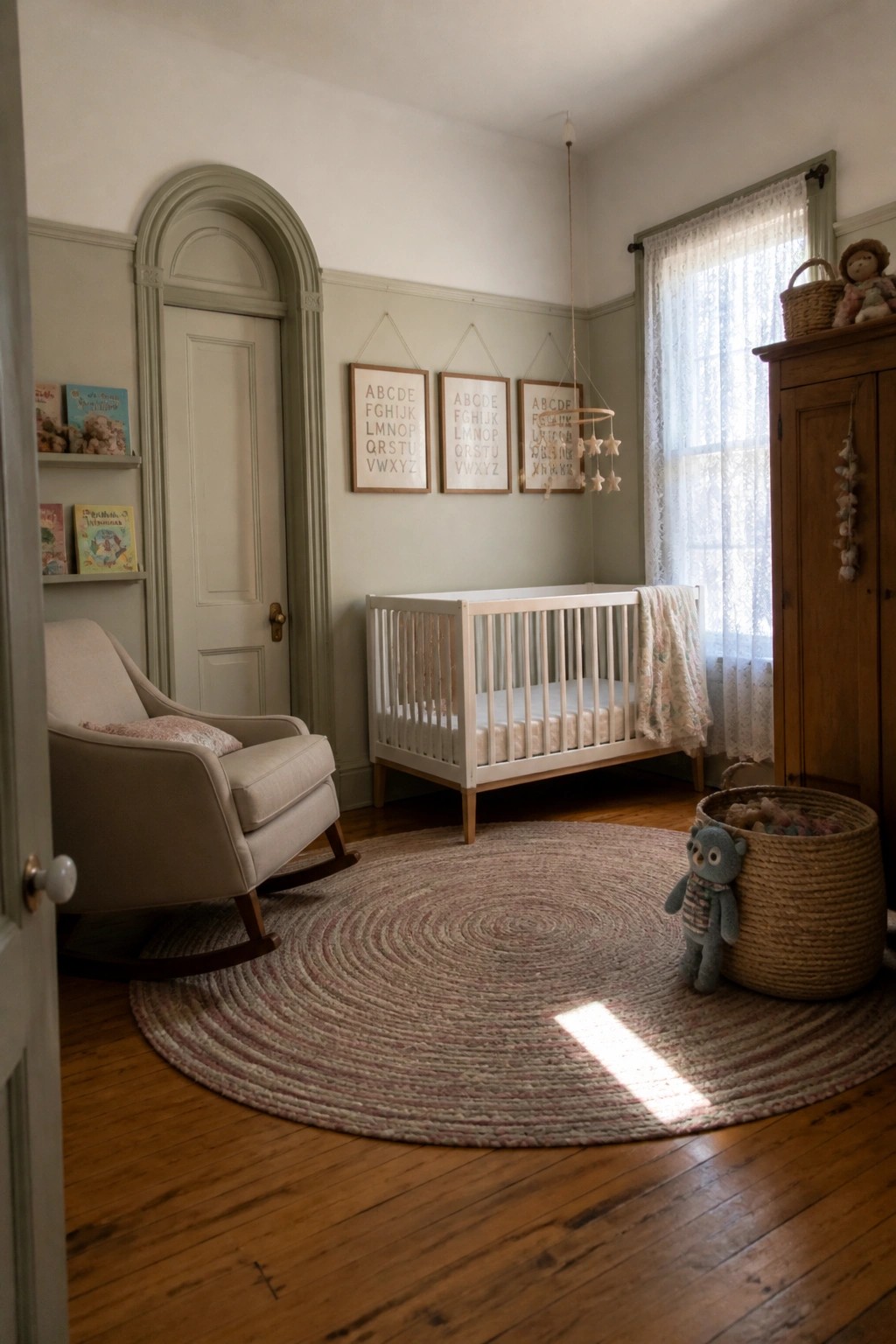
An arched doorway like this one brings real presence to a room without any extra effort. The trim and curve stay as they were built, giving the space a settled look even when the furniture is simple and new.
This works well in Victorian homes where the millwork is still solid. Keep the surrounding walls light so the arch stays the focus, and avoid covering it with curtains or heavy shelves. The detail then feels useful instead of decorative.
A Vanity That Picks Up The Original Millwork

A wooden vanity with turned legs can carry period character into a bathroom even when the rest of the room stays simple. The detail in the wood echoes the trim around windows and doors without needing extra molding or heavy built-ins.
This approach works well in smaller Victorian homes where you want to keep the original feel but still need storage and a clean sink area. Pair the wood with a plain white top and dark fixtures so the millwork stays the main feature.
Built-In Bookshelves That Hold Onto Victorian Detail

Built-in shelves that reach the ceiling still make a strong case in older homes. They turn blank wall space into useful storage while keeping the original trim and paneling intact.
This approach works especially well in studies or libraries where the wood finish can match existing millwork. Stick to simple hardware and avoid adding too many new layers that would fight the room’s age.
Window Seats That Fit Built-In Millwork

A window seat adds seating without crowding the floor plan, and it works especially well when it lines up with existing trim and baseboards. In rooms that still have their original woodwork, the seat can sit flush with the wall so the architecture stays the focus instead of looking like a later addition.
This approach suits Victorian houses where the windows and moldings are worth keeping. Keep the cushion simple and low so it does not hide the window frame or the light coming in.
Preserve Wainscoting In Bathroom Updates
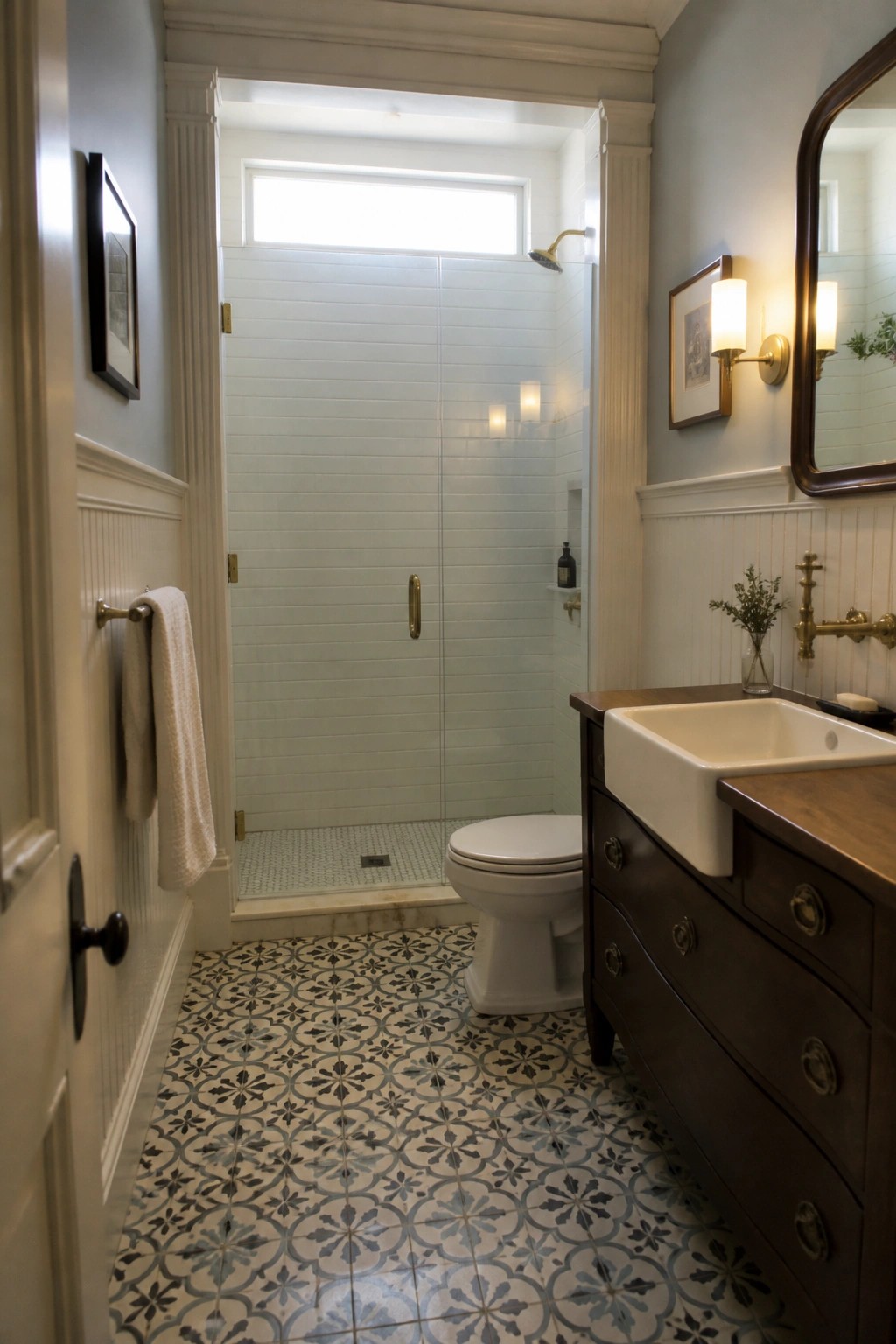
Wainscoting often gets lost during renovations, but keeping it helps a Victorian bathroom feel connected to the rest of the house. The beadboard and trim around the door and walls add texture without needing extra decoration.
This approach works well in smaller baths where you want to blend old details with newer fixtures. Focus on painting the millwork a soft color that matches the house and let the pattern on the floor carry some of the visual weight.
Built-In Cabinetry For Storage And Display
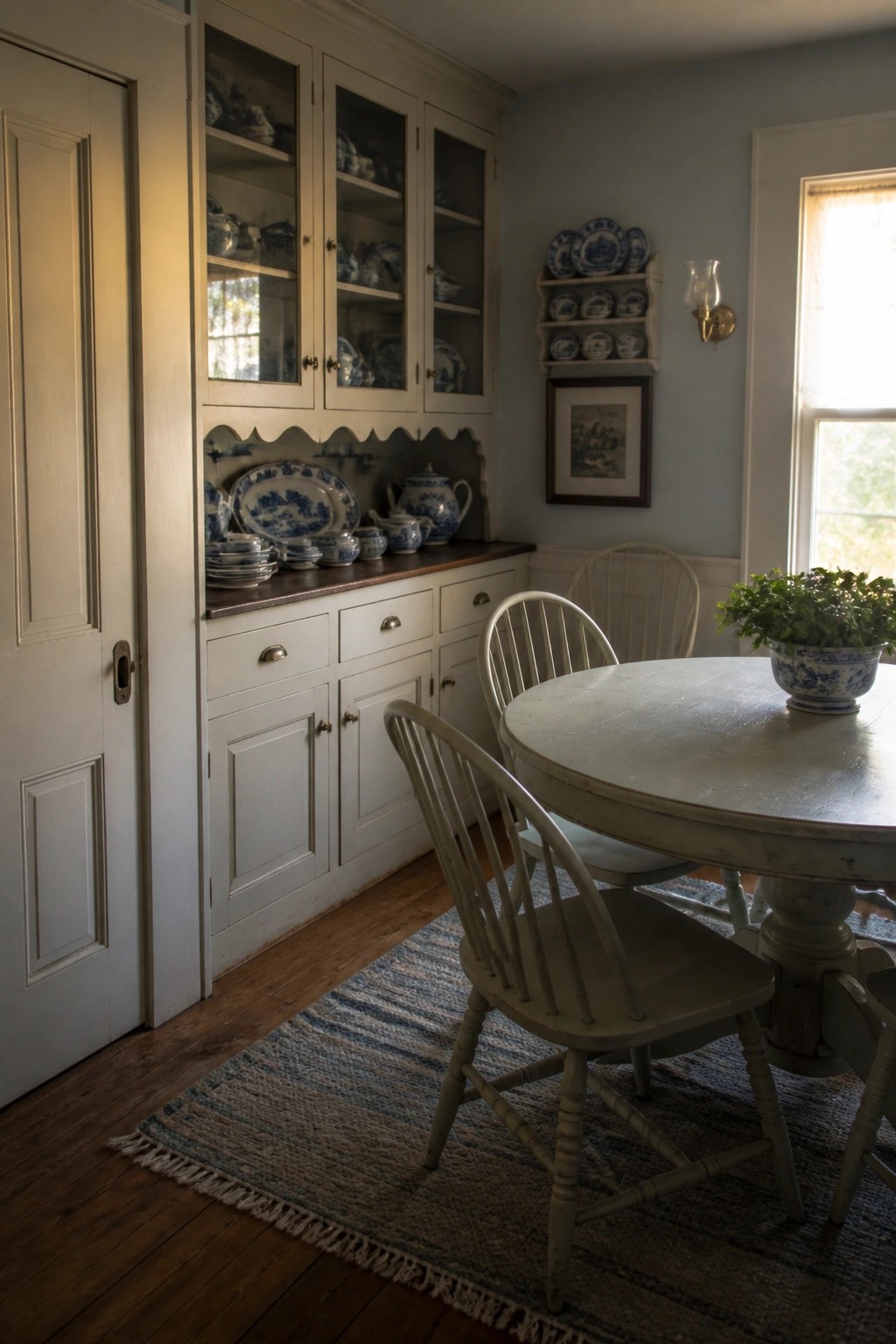
Built-in cabinetry like this keeps dishes visible while giving you plenty of closed storage below. The glass doors protect the pieces from dust and let the collection become part of the room instead of something tucked away.
This approach works best in dining rooms where you already have original millwork and want to avoid adding freestanding pieces that would crowd the space. Keep the lower drawers for everyday items and use the open counter area for the pieces you reach for most often.
Storage Built Around Original Millwork

Many Victorian entries stay narrow, so adding storage helps without crowding the space. A low bench with open cubbies and a simple row of hooks keeps boots and coats off the floor while the door trim and wainscoting remain the main features.
This setup works best in homes that already have strong period details around the door. Mount hooks on a plain board rather than directly into the molding, and keep the bench low so the base trim stays visible.
Built-In Shelves That Fit The Original Trim

Built-in shelves make good use of a corner without covering up the beadboard or window casing. The open style keeps fabric and supplies in reach while the woodwork stays visible and unchanged.
This setup suits older homes where you need extra storage but want to avoid cutting into existing trim. Place the shelves in unused wall space and match the paint so the new work blends with what is already there.
Built-Ins That Keep Their Original Panels
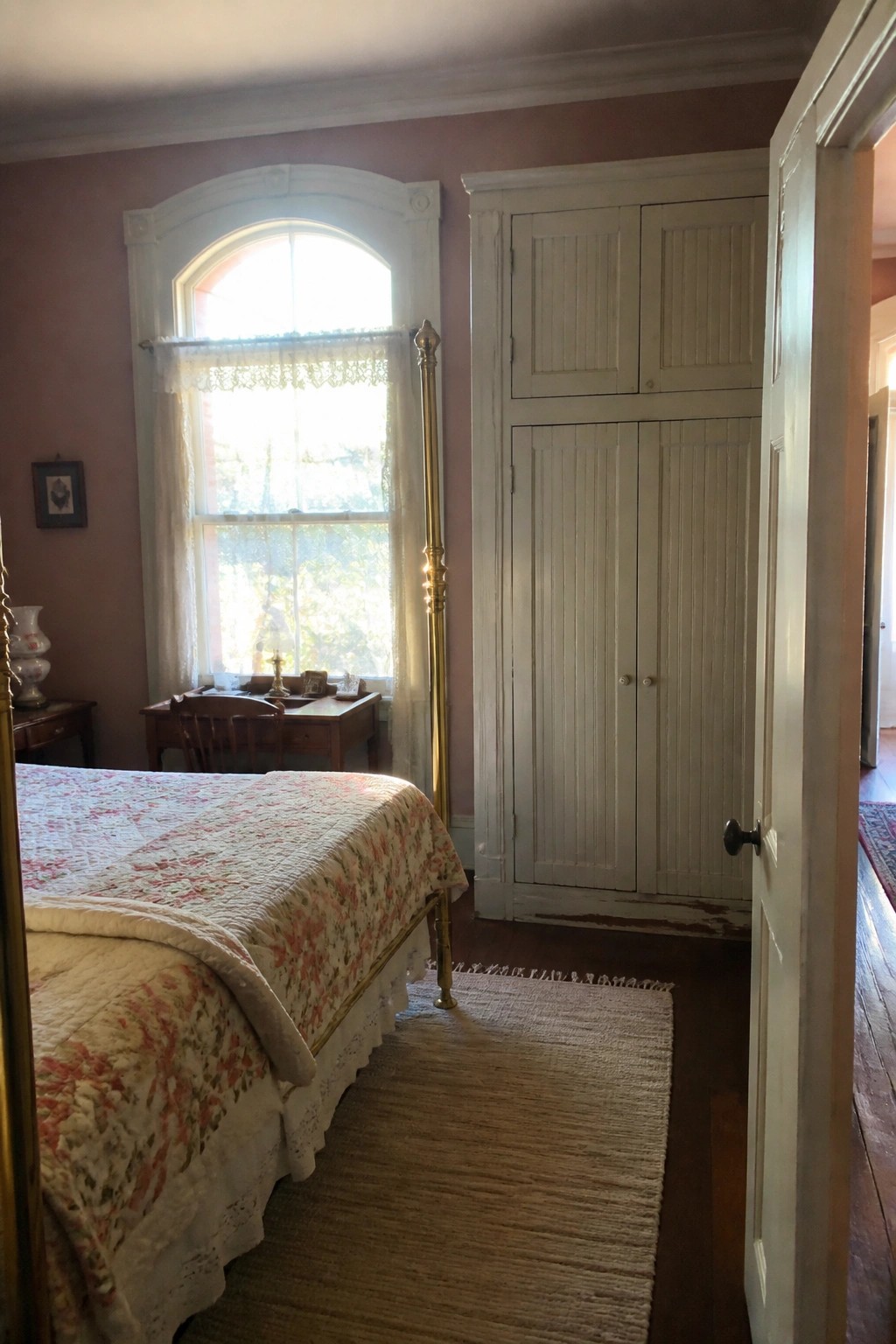
The tall wardrobe in this bedroom is a good example of leaving period cabinetry in place. The vertical panels and simple doors still look right because nothing was stripped away or replaced with something smoother.
This works best in houses where the built-ins are still sturdy. It keeps the storage useful and avoids the cost of new pieces that rarely match the old trim work around windows and doors.
Frequently Asked Questions
Q: Where can I find matching pieces if some millwork is missing from my Victorian house? A: Start with local salvage yards that pull from old homes in your region. They often carry the exact profiles and woods that match what you already have.
Q: How do I clean detailed trim without wrecking the finish? A: Use a soft brush and mild soap solution on small sections at a time. Wipe dry right away so water does not soak into the wood.
Q: What happens if I skip repairs on cracked millwork? A: The damage spreads as seasons change and the wood shifts. Fix small issues early to avoid replacing whole runs later.