I have always noticed that the right porch detailing can shift how an entire house presents itself from the street. Victorian gingerbread trim adds layers of pattern that catch the light differently depending on the angle and the time of day. The effect shows up best when you walk by in person. Many of these approaches seem worth measuring against an older home before committing to any cuts or paint. A few trim profiles even help balance a wide entry with the roofline above in ways that feel settled rather than tacked on.
Adding Gingerbread Trim To Porch Railings

Gingerbread trim gives a porch that classic Victorian look without needing a lot of extra pieces. The white cutouts along the railing and posts stand out against the house and make the whole structure feel more finished and intentional.
This works best on older homes or new builds that want some historic character. Keep the trim simple in color so it does not compete with the rest of the exterior, and make sure the scale matches the size of your posts and railings.
Adding Detailed Gingerbread Trim To Your Porch
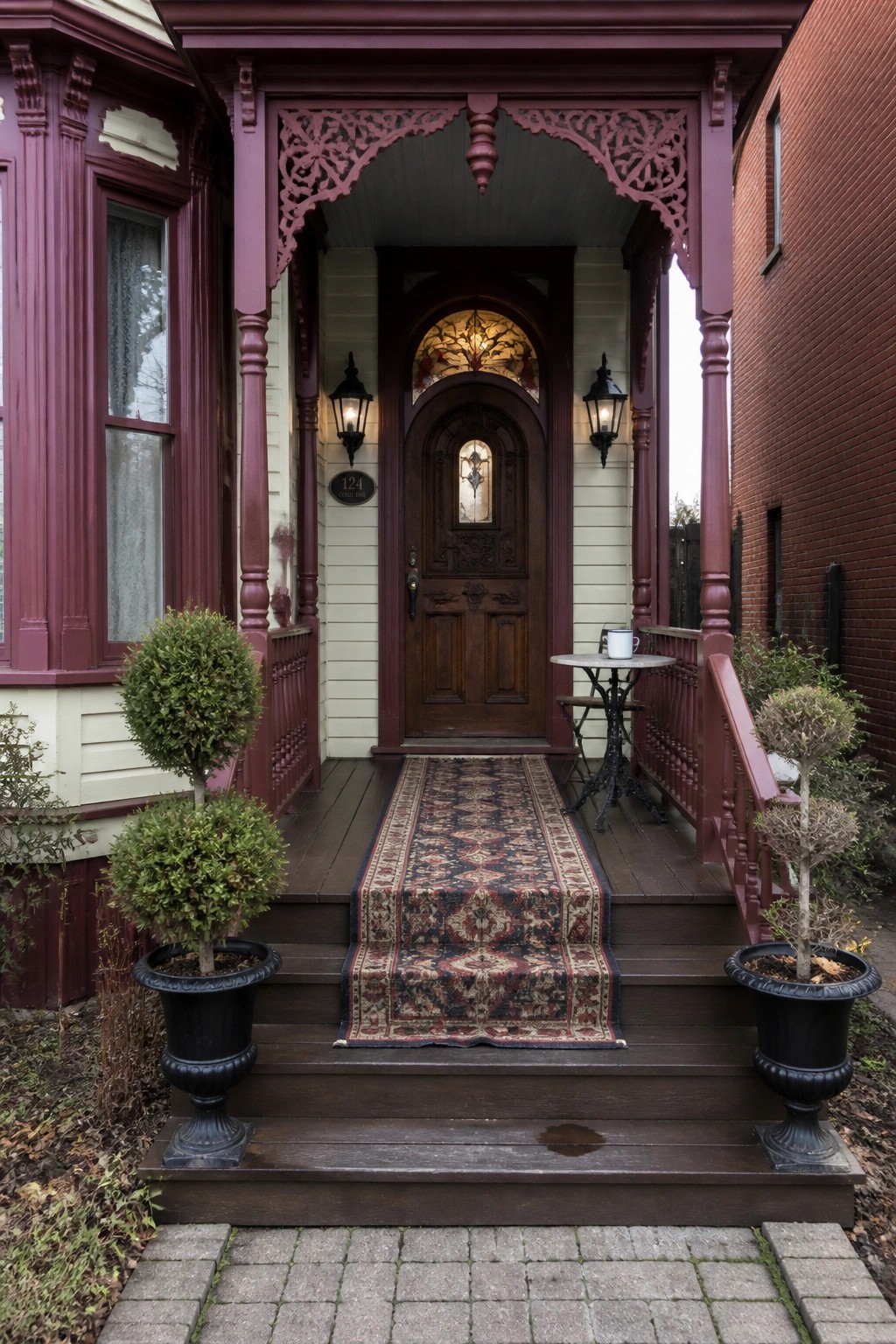
Gingerbread trim brings real personality to a porch without needing a lot of extra pieces. The cutout patterns along the top and sides create shadow and depth that make the whole entrance feel more substantial. A deep color like this one helps the trim stand out against lighter siding.
This works best on older homes or new builds that lean traditional. Keep the trim color a few shades darker than the main house so the patterns read clearly from the street. Just make sure the wood is sealed well, since exposed details like these take the weather directly.
Gingerbread Trim on Porch Openings
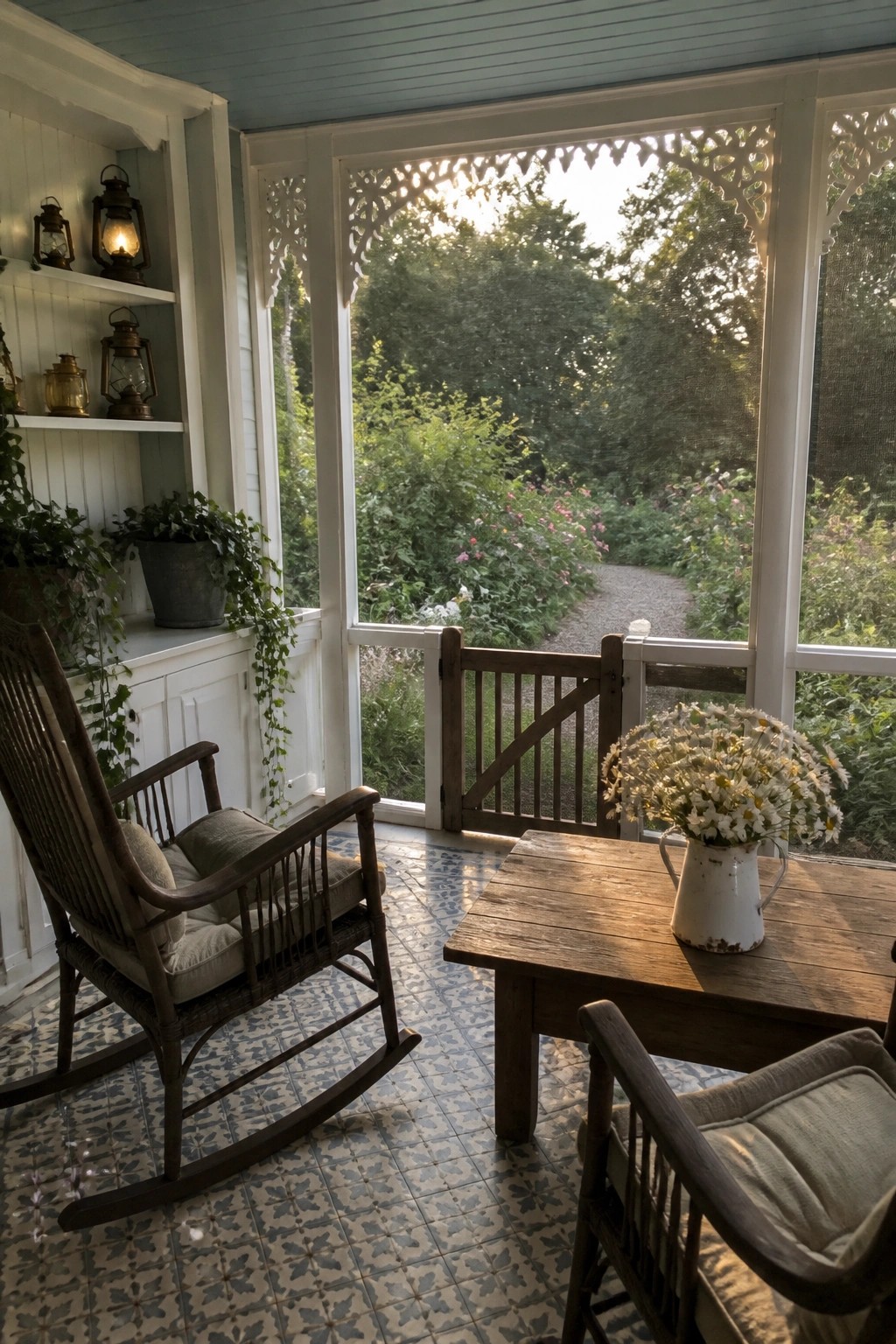
Gingerbread trim stands out most when it sits above the main openings rather than covering every surface. In this case the cutout pattern runs along the top of the screens and lets light through while still giving the porch a finished Victorian look.
This works best on older homes where the trim can match existing details. Paint it the same color as the rest of the woodwork so the pattern reads as part of the structure instead of an added decoration.
Gingerbread Trim Along the Porch Eaves
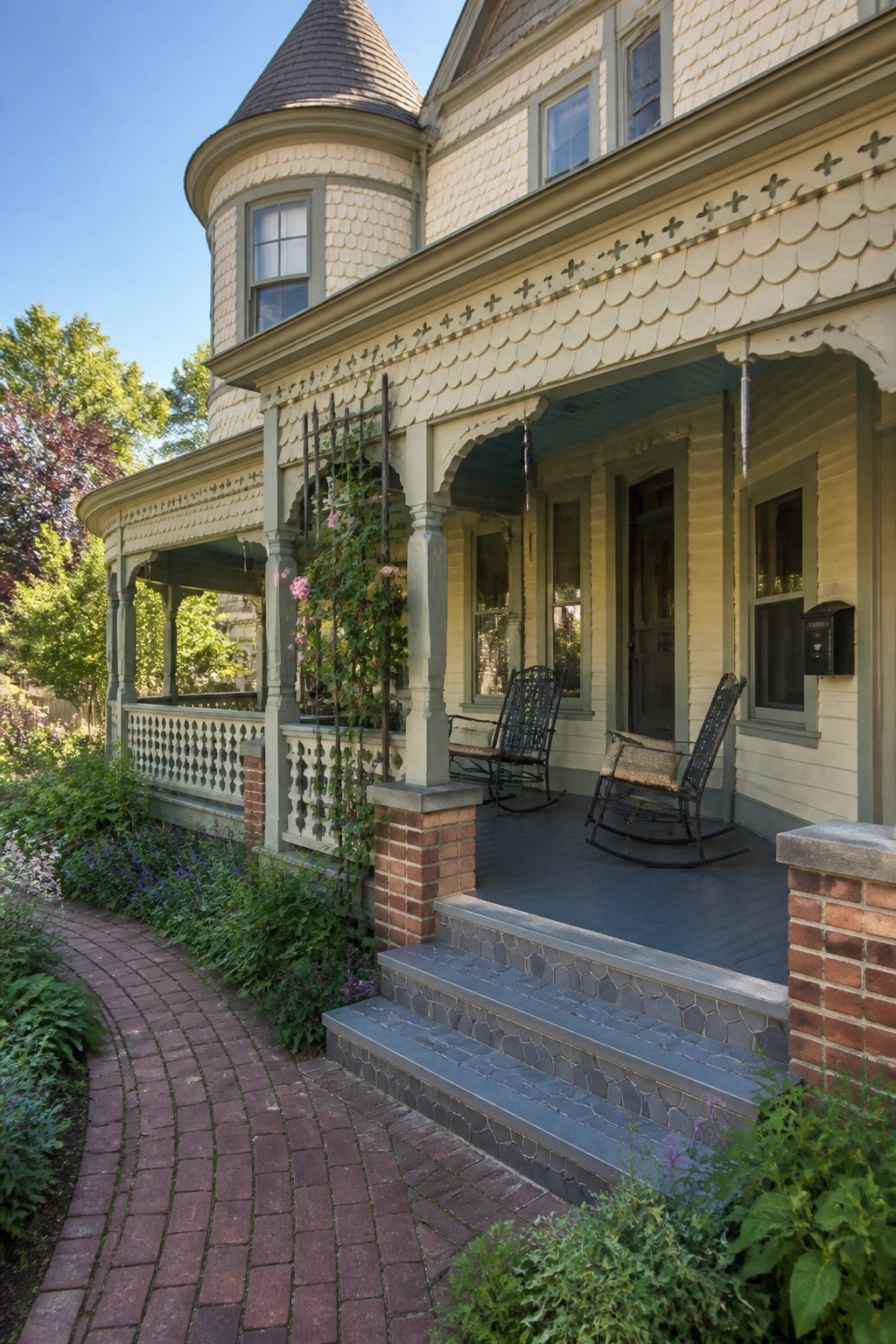
Gingerbread trim gives a Victorian porch that extra layer of detail without needing a lot of extra pieces. The cutout patterns and scalloped edges under the roofline stand out against the siding and help the whole structure feel more finished and true to the style.
This approach works well on older homes or new builds that want the same look. Keep the furniture simple so the trim remains the focus, and make sure the paint color contrasts enough to show off the shapes clearly.
Gingerbread Trim on Porch Posts and Eaves
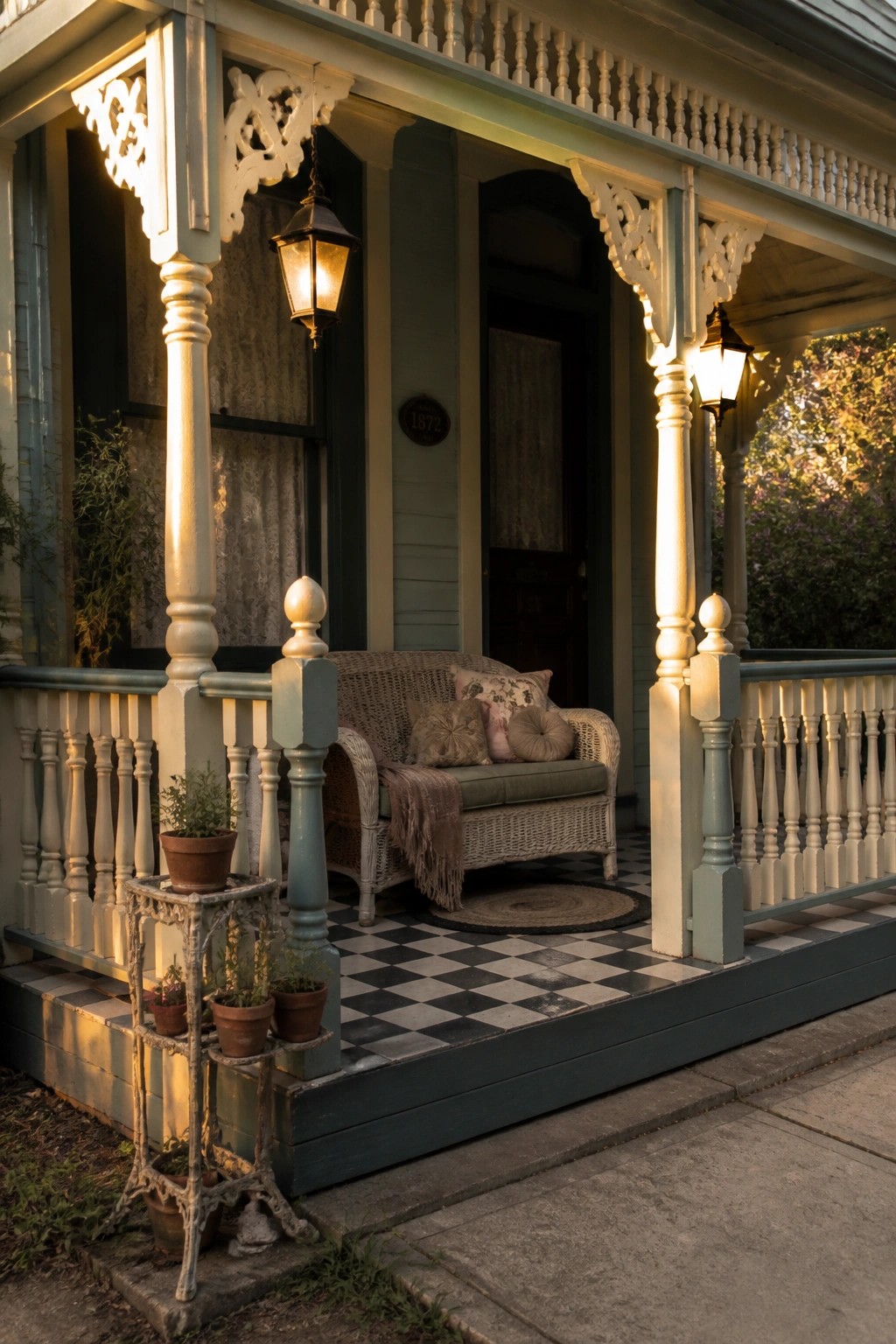
Gingerbread trim gives a porch its Victorian personality right away. The carved patterns along the posts and roofline stand out without needing much else to make the space feel complete. Many older homes already have the basic structure, so adding or restoring this detail brings back the original charm.
It works especially well on homes from the late 1800s or on newer builds that copy that style. Keep the trim painted a crisp white so it reads clearly against the house color, and avoid overcrowding the area with too many other decorations.
Adding Gingerbread Trim To Your Porch

Gingerbread trim gives a porch that layered Victorian look without needing a lot of extra pieces. The curved sections and turned spindles stand out against the white paint and make the whole entry feel more finished than a plain railing would.
This detail works best on homes from the same era or on newer builds that already have some trim work around the windows and eaves. Keep the pattern consistent rather than mixing too many styles, and make sure the wood is sealed well so it holds up over time.
Gingerbread Trim on the Arches
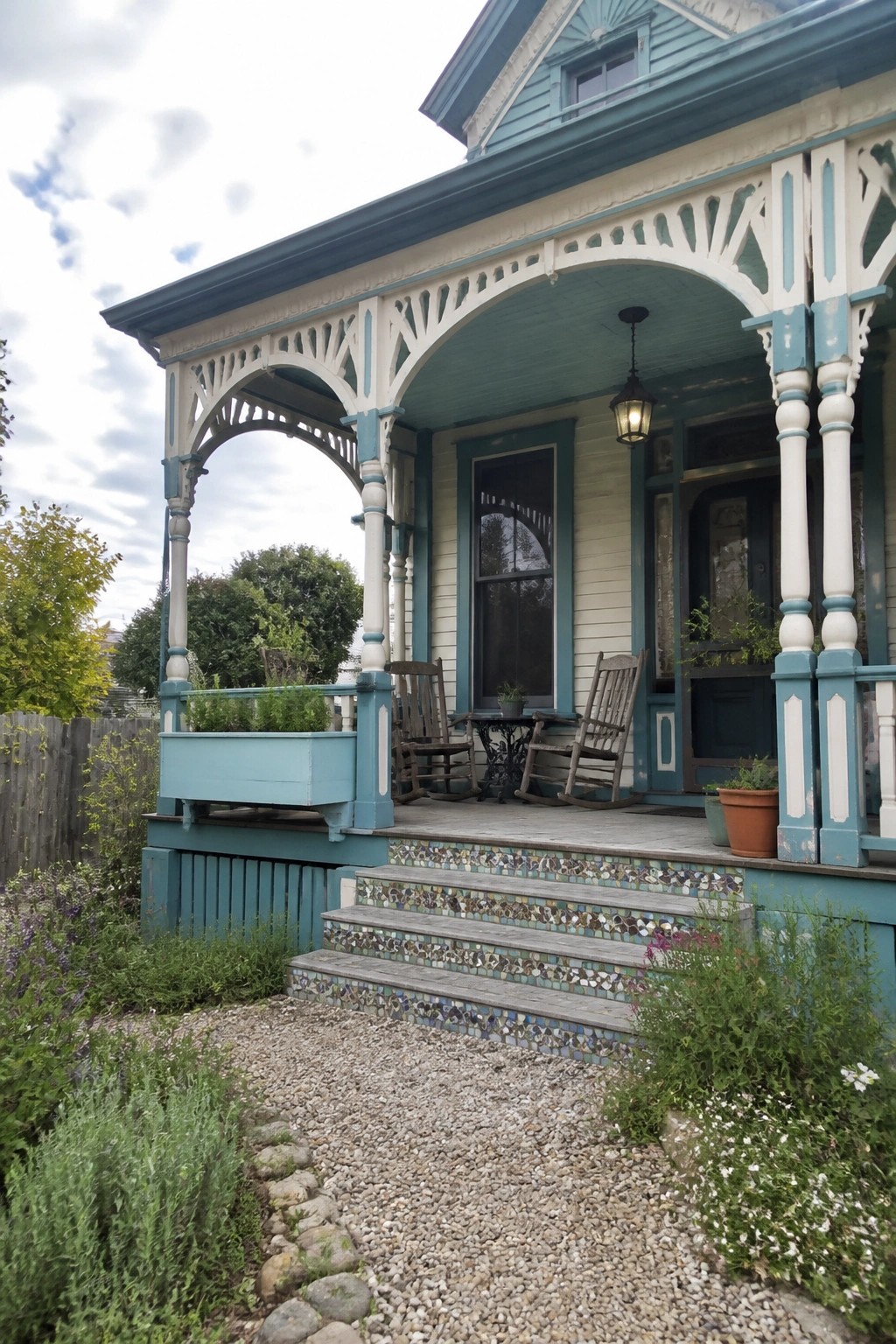
Gingerbread trim works well when it outlines the main structural lines of a porch instead of filling every surface. In this case the white trim follows the curve of the arches and runs down the posts, which keeps the pattern visible from the street without making the whole ceiling feel busy.
It suits older homes that already have some trim elsewhere, and it looks best in two colors that contrast but still match the house body. Keep the pattern consistent on the main openings and skip it on side sections if the porch is small.
Gingerbread Trim Along the Porch Railings
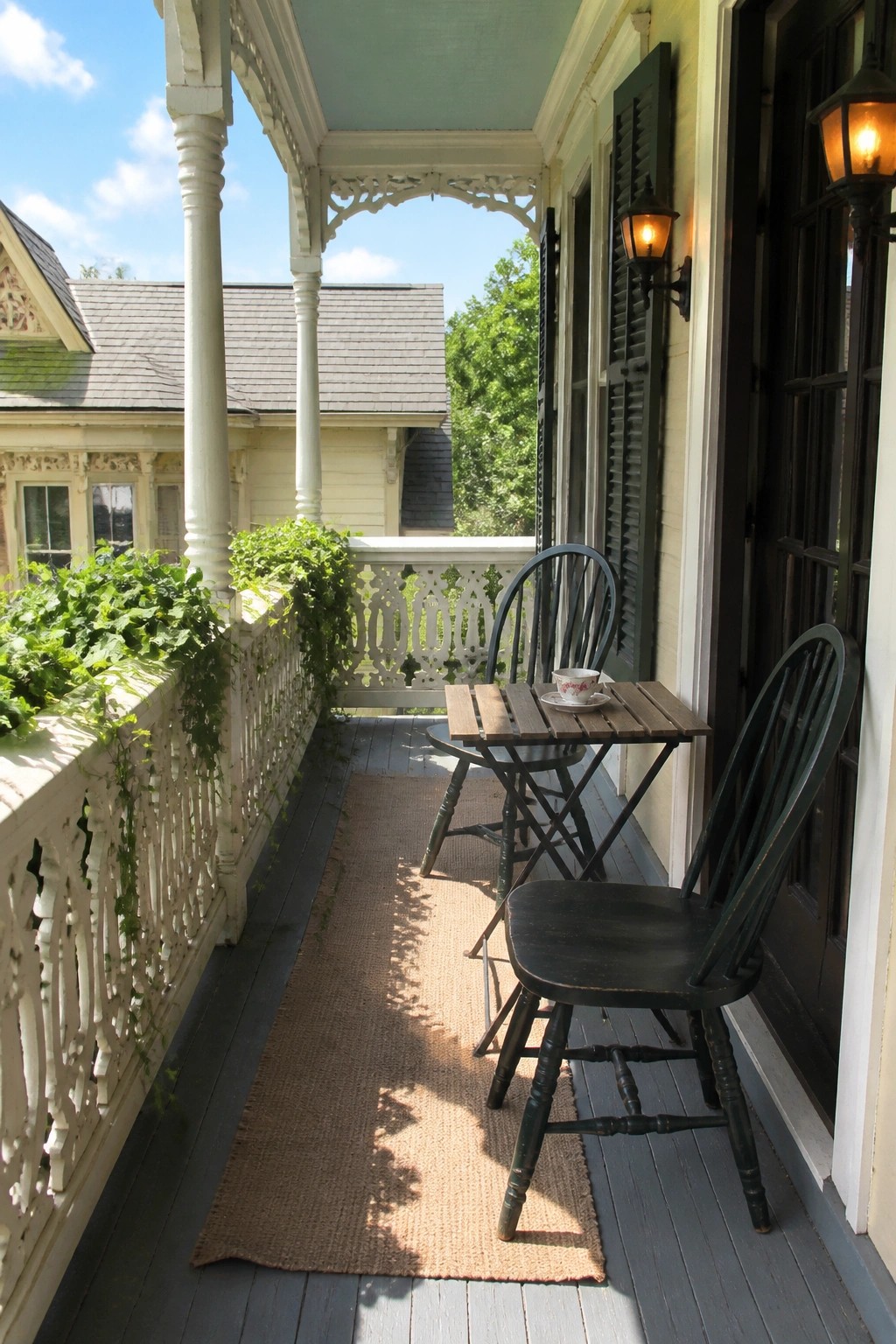
Gingerbread trim turns a basic porch into a more defined space. The cutout patterns along the railing and under the roofline create a clear edge that makes the seating area feel separate from the rest of the yard.
This detail suits older homes that already have some trim elsewhere on the house. Match the style to what is already there and keep the color light so it stands out without overpowering the wood floor and furniture.
Using Multiple Colors On Gingerbread Trim
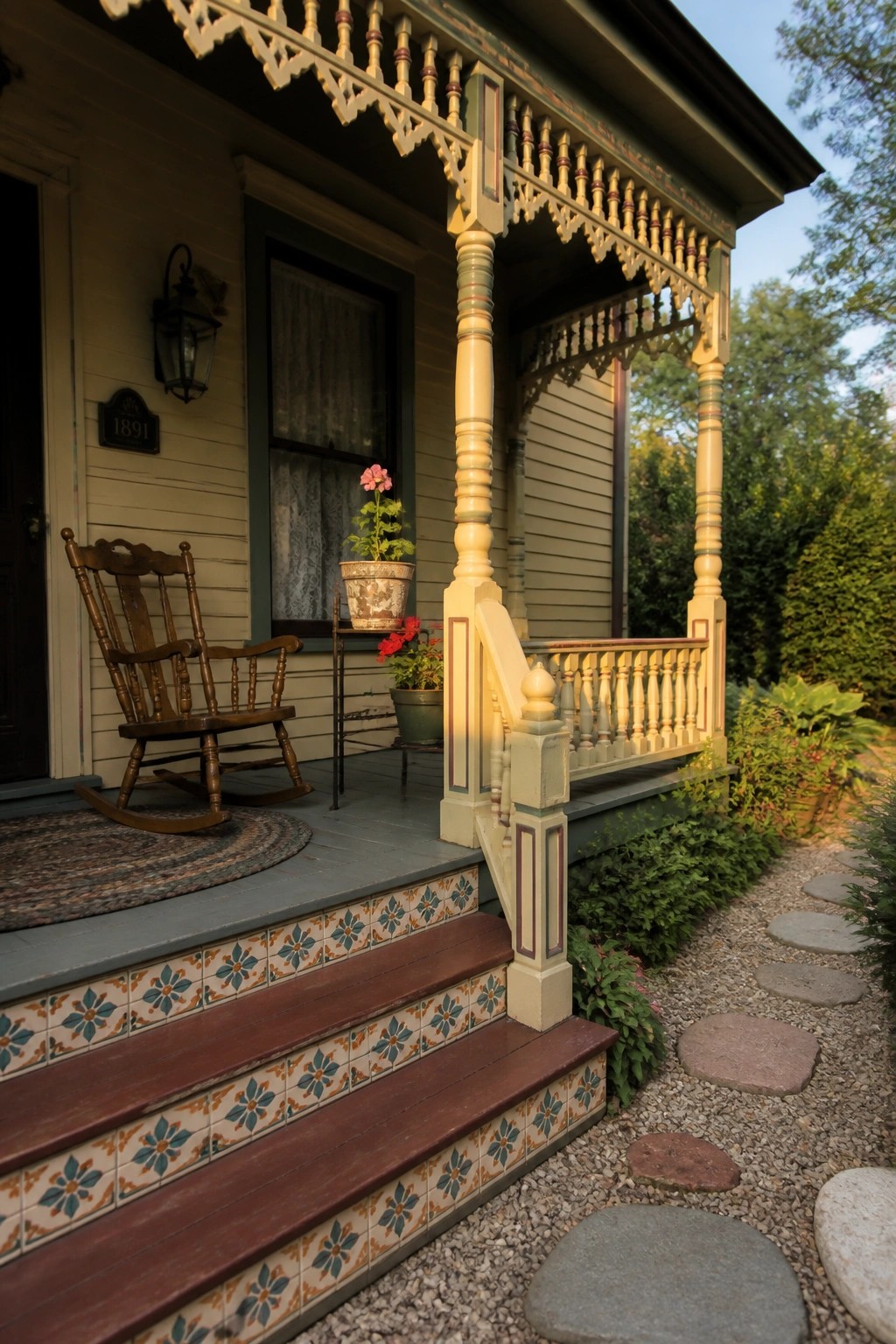
Many Victorian porches gain more character when the trim is painted in several shades instead of one flat color. The different tones help the brackets, spindles, and posts stand out and keep the whole structure from looking flat.
This works best on homes that already have some age and detail. Choose two or three colors that echo the siding or accents, and apply the darkest shade to the deepest recesses so the pattern stays easy to read from the street.
Hanging A Swing On The Porch
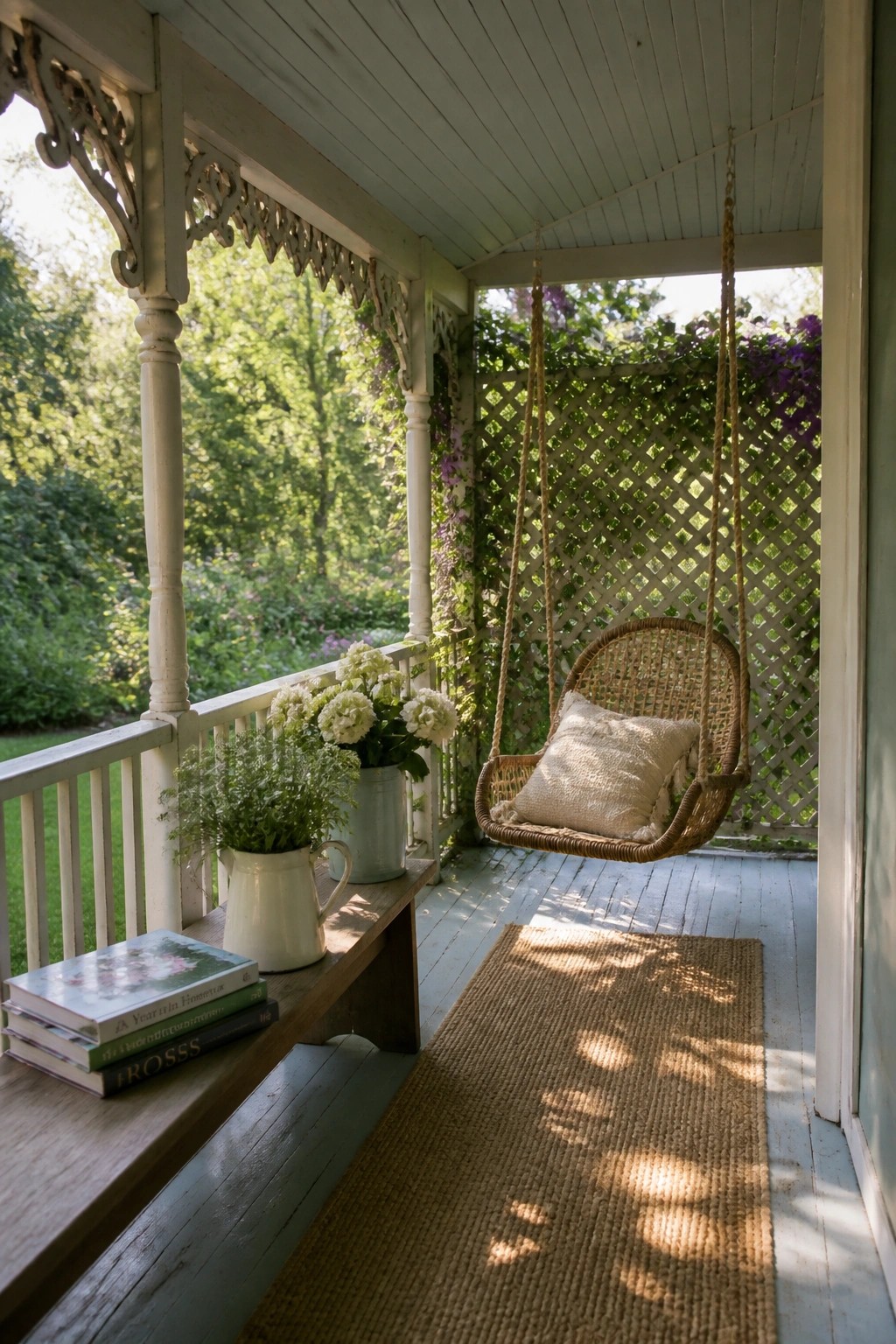
A hanging swing gives a Victorian porch an easy, lived-in feel that keeps the gingerbread trim from looking too formal. The natural texture of the seat and ropes lets the trim stay the focus while the seating stays practical.
This setup works well on older homes with deep overhangs or side shade. It suits anyone who wants the porch to feel usable every day instead of just decorative.
Using Deep Paint On Gingerbread Trim
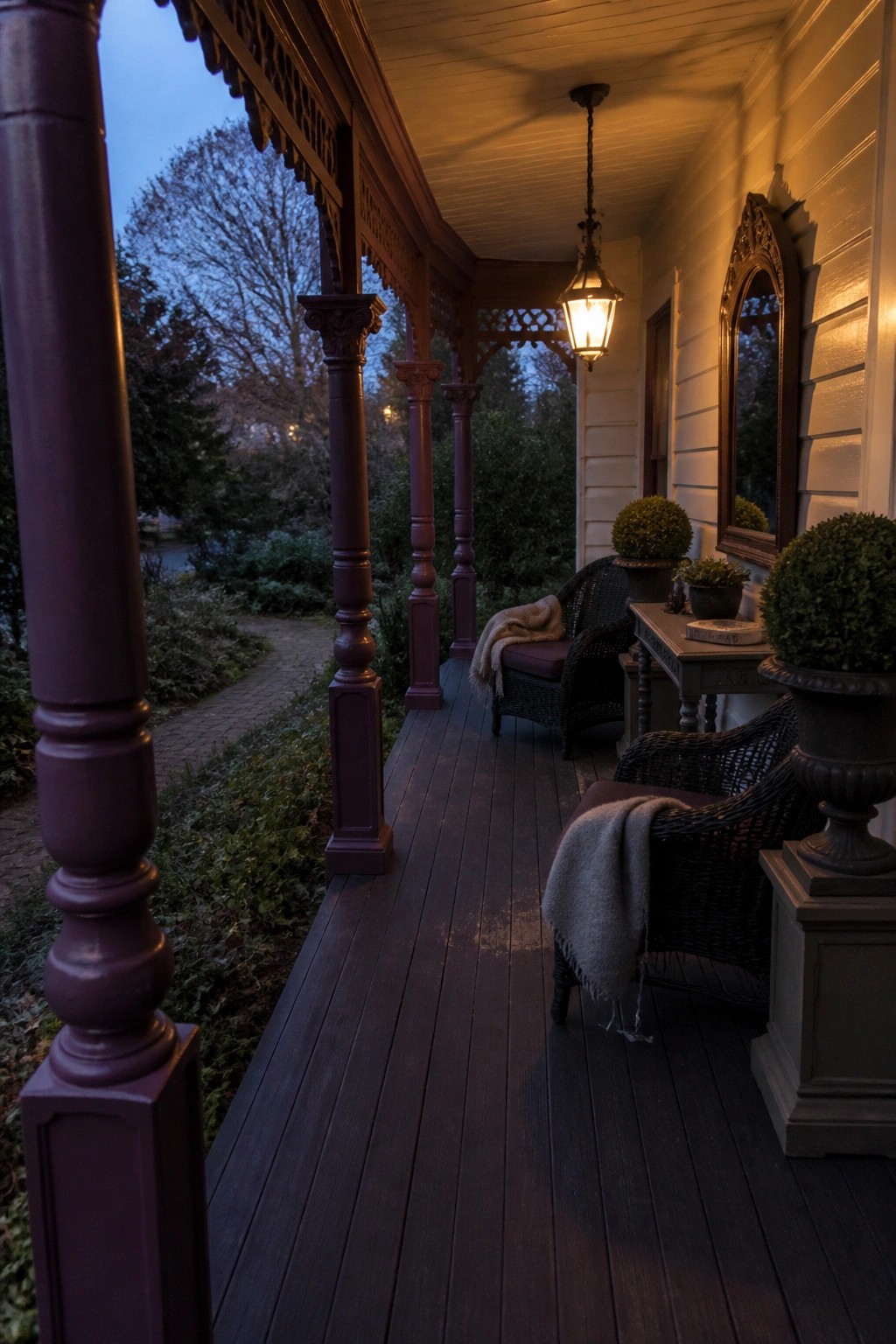
Many Victorian porches gain more character when the gingerbread trim is painted a deep, saturated color rather than left white or pale. The strong tone makes the cutwork and turned posts stand out without needing extra decoration.
This choice suits homes where the siding is already light and the porch gets evening use. It also helps the space feel a little more settled once the lights are on. Just test the color on a sample board first, since deep shades can shift once they are on all the trim at once.
Gingerbread Trim Frames the Entry
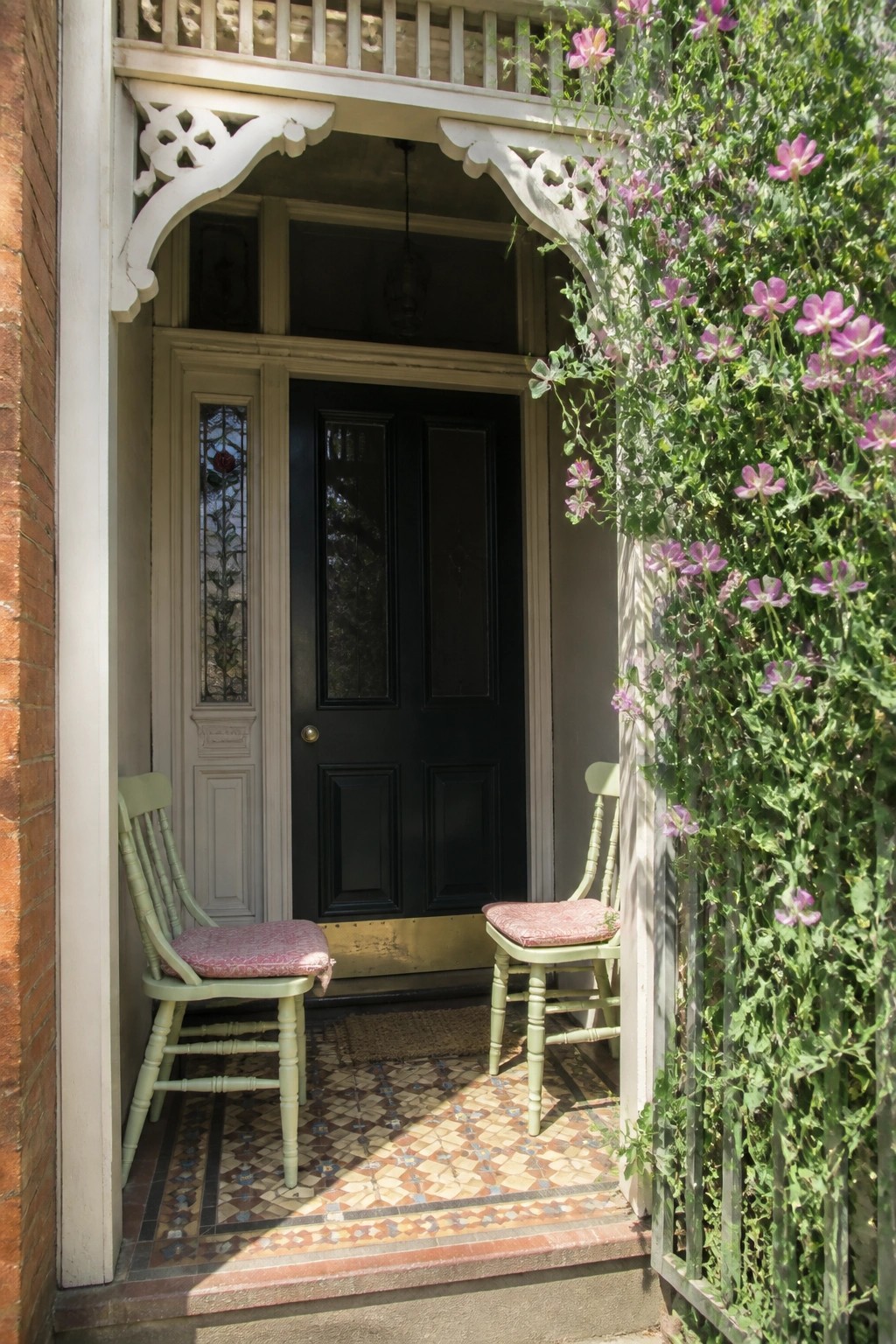
Gingerbread trim gives a Victorian porch that finished look without needing lots of extra pieces. In this case the white cutouts sit right above the door and along the sides, turning a plain opening into something more interesting while the rest of the porch stays simple.
It works best on homes that already have some age to them. Keep the trim painted a light color so it stands out against the house, and add just a couple of chairs underneath if you want a place to sit without crowding the space.
Gingerbread Trim Brings Character to a Porch
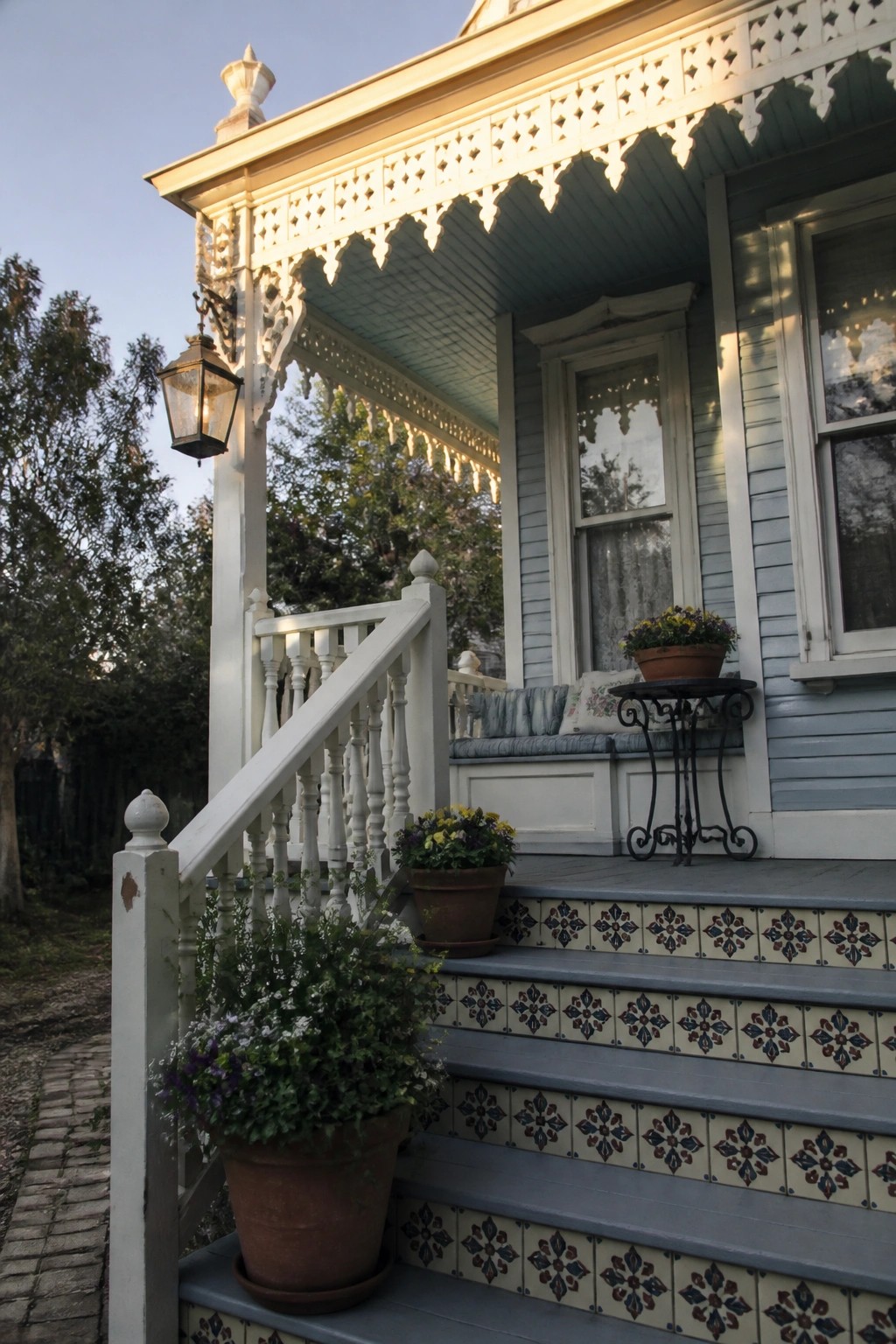
Many Victorian porches use gingerbread trim to add fine detail that still feels light. The cutout patterns along the roofline and railings create movement without crowding the space.
This works best on homes with a clear color contrast between the trim and the siding. Stick to one or two repeating motifs so the patterns read as intentional rather than scattered.
Gingerbread Trim Along the Eaves
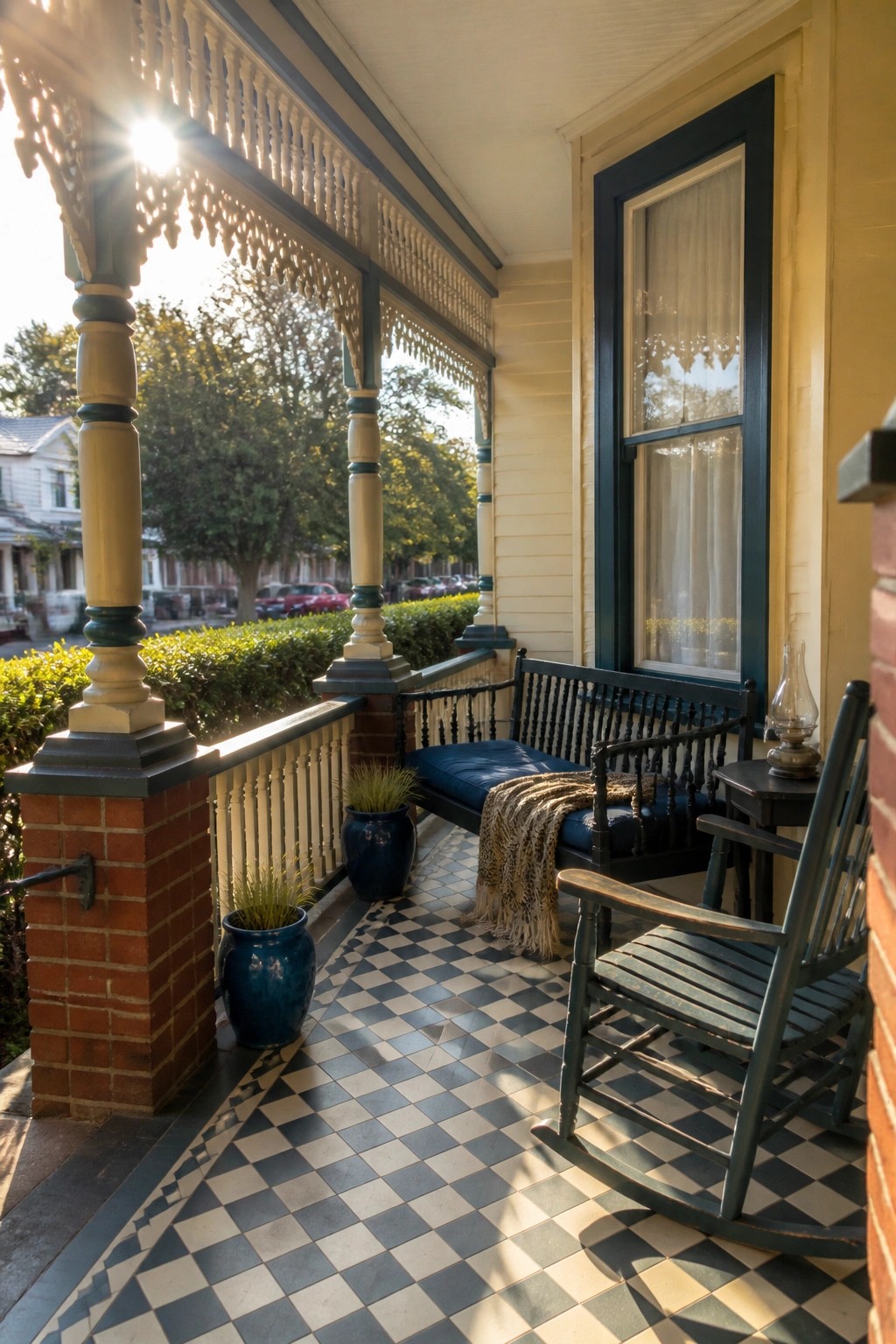
Gingerbread trim gives a porch that finished Victorian look without needing a lot of extra decoration. The cutout patterns along the roof edge and around the posts create shadows and texture that change throughout the day.
This detail works especially well on older homes or any porch that already has turned columns. Keep the pattern simple if the porch is small so the trim does not feel too busy.
Gingerbread Trim Along The Porch
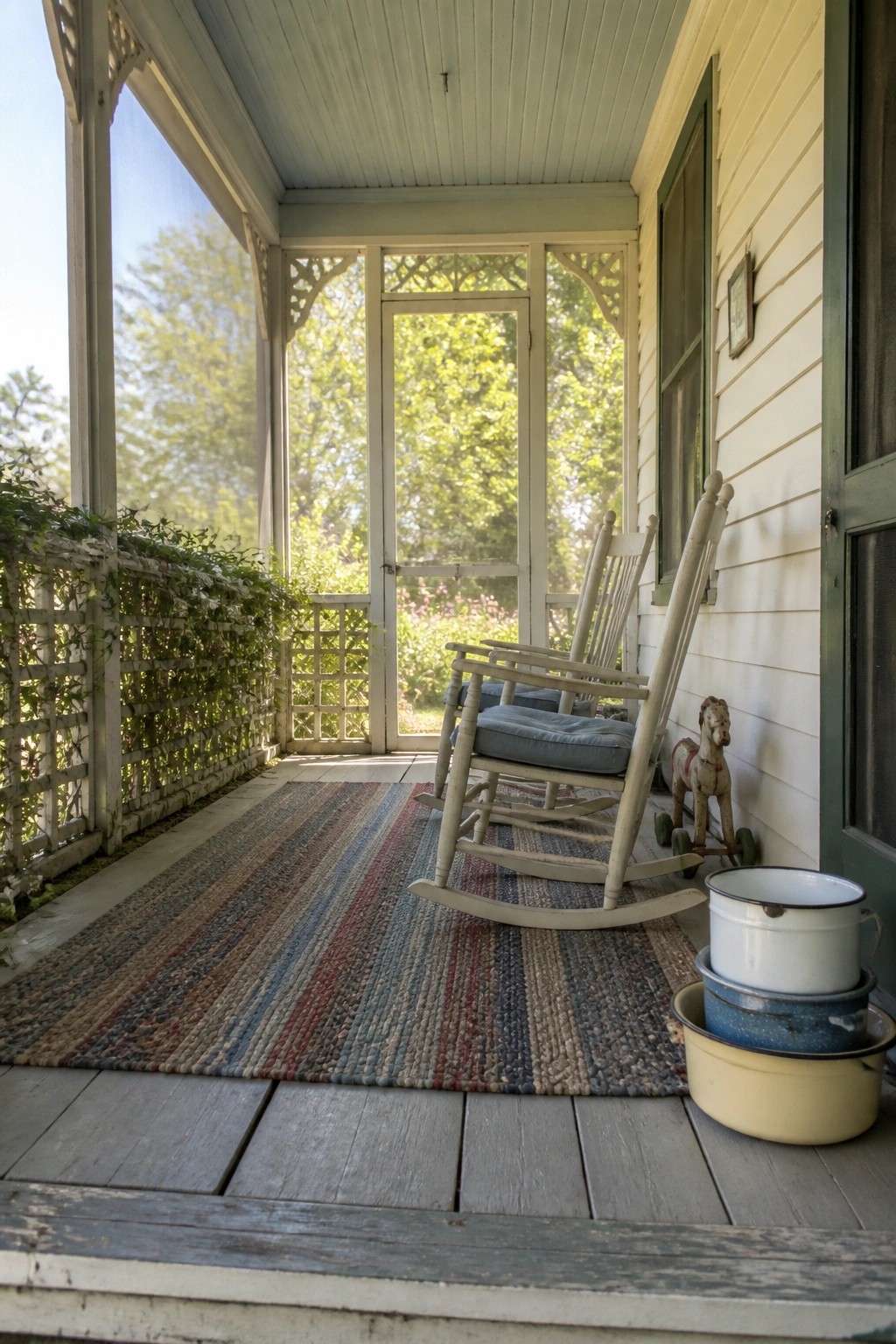
Gingerbread trim gives a porch that classic Victorian look with very little added effort. The cutout patterns along the posts and upper sections stand out cleanly against the paint and make the whole space feel more complete.
This detail works best on older homes or when you want to bring in historic character. Keep the patterns fairly simple and repeat them in a few spots so the trim does not start to feel overwhelming.
Gingerbread Trim Defines A Victorian Porch
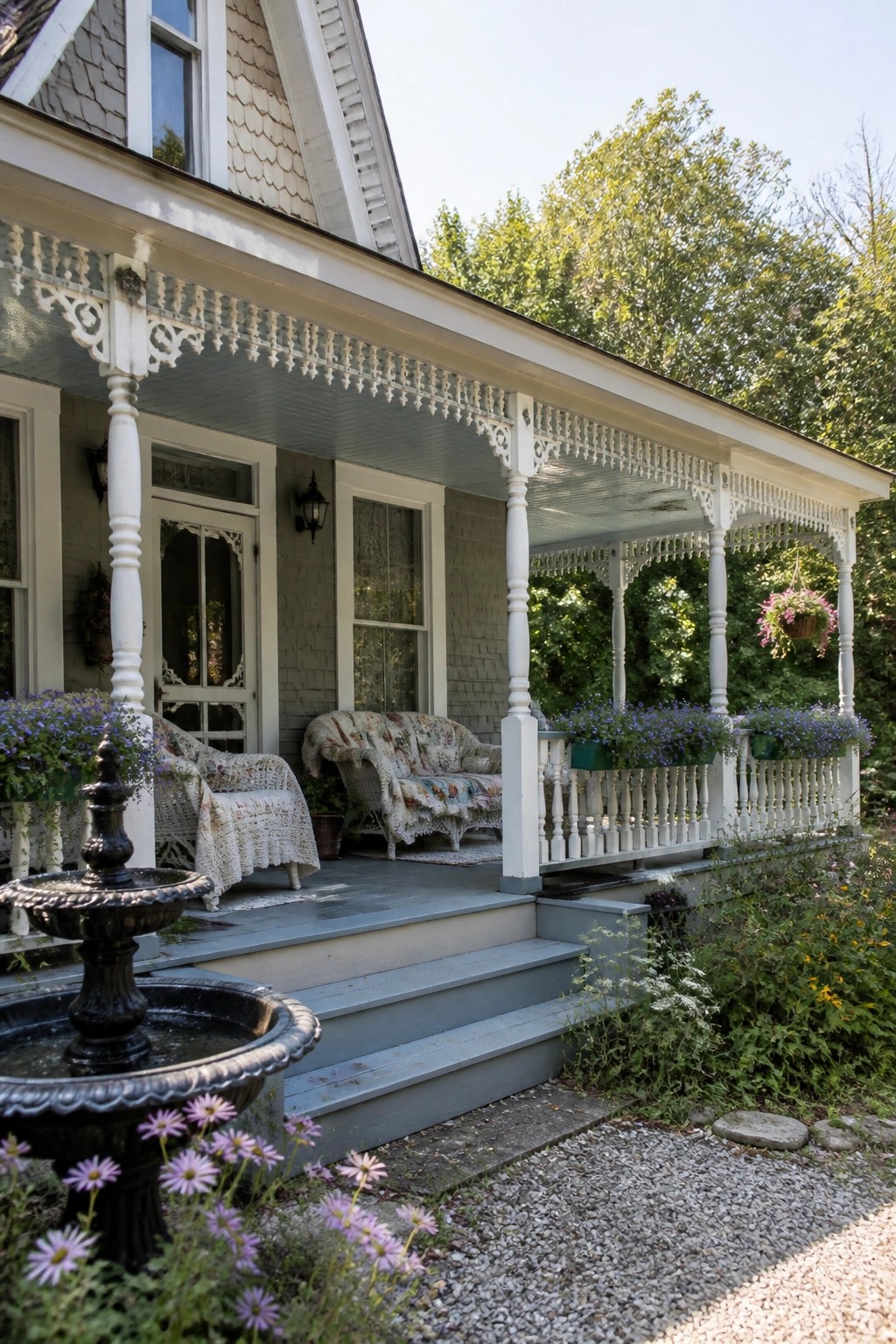
Gingerbread trim gives a porch that light, patterned look that feels right at home on Victorian houses. The cutout details along the eaves and railings create visual interest without crowding the space.
This approach works well on homes with simple siding or older woodwork. Stick to white or off-white so the shapes stay easy to see, and avoid adding too many other decorations that might compete with the trim.
Frequently Asked Questions
Q: How do I stop the trim from rotting in wet weather?
A: Paint every surface twice with a good exterior primer first. Then add a top coat made for outdoor wood and touch up any chips as soon as you spot them.
Q: Can I copy the designs from the photos in the article for my own porch?
A: Trace the shapes onto paper and scale them to fit your space. Cut a test piece from cheap pine to check the look before you buy better wood.
Q: Will lots of gingerbread trim make a tiny porch feel cramped?
A: Use it only on the posts and one header board. Leave the railings plain so the details stand out without closing in the area.