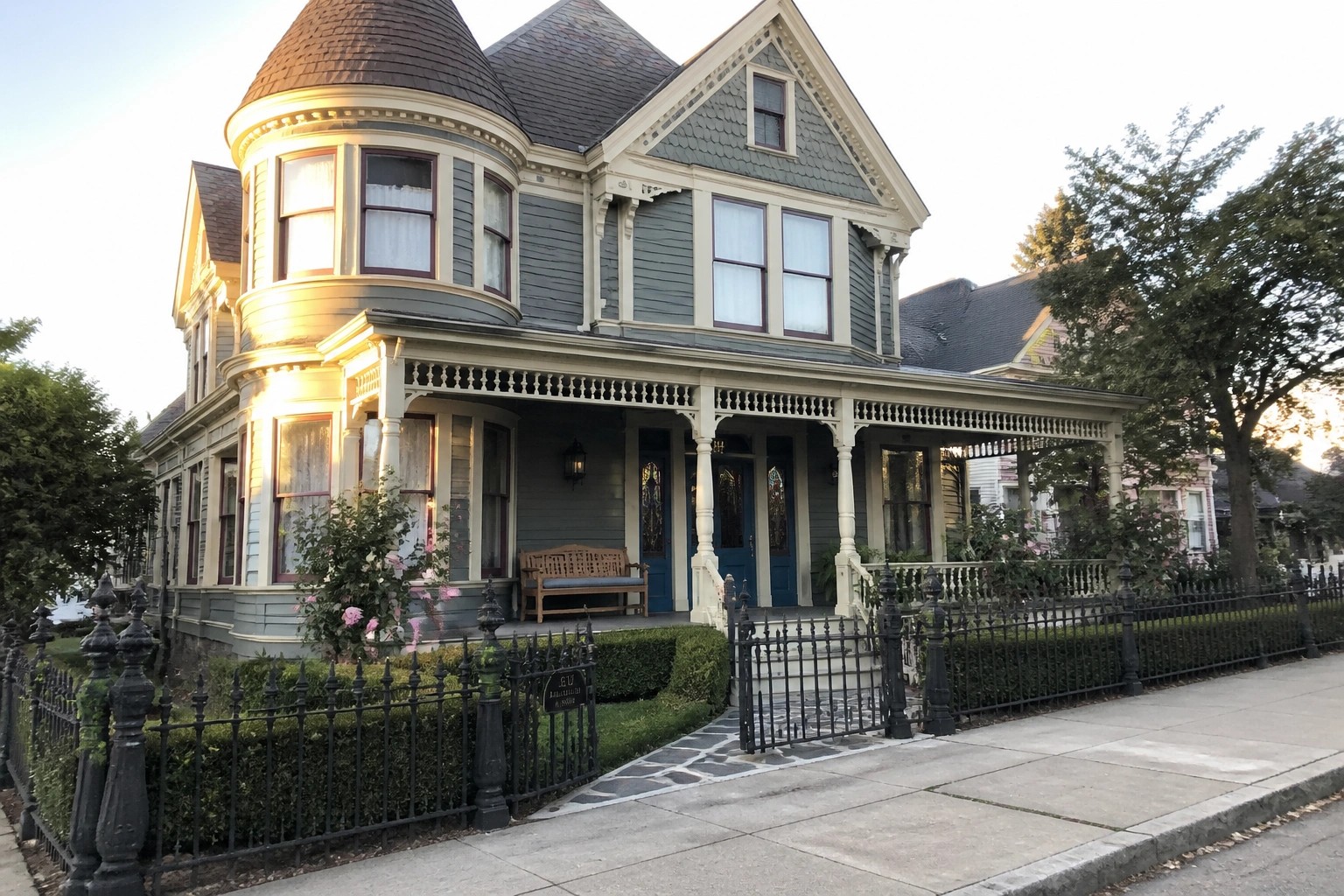
Victorian style homes have always stood out to me on the street because their facades manage to balance bold shapes with fine details in a way that feels intentional.
Paying attention to how the gables meet the eaves or how the windows are grouped can show why certain homes read as timeless rather than just old.
I have walked past places where the front door placement and the surrounding trim made the whole house feel more grounded, even if the lot was small.
These examples remind me that roof pitch and siding choices are worth studying if you want to update an older home without losing its character.
Proportions matter most.
Turrets That Give Victorian Homes Extra Presence
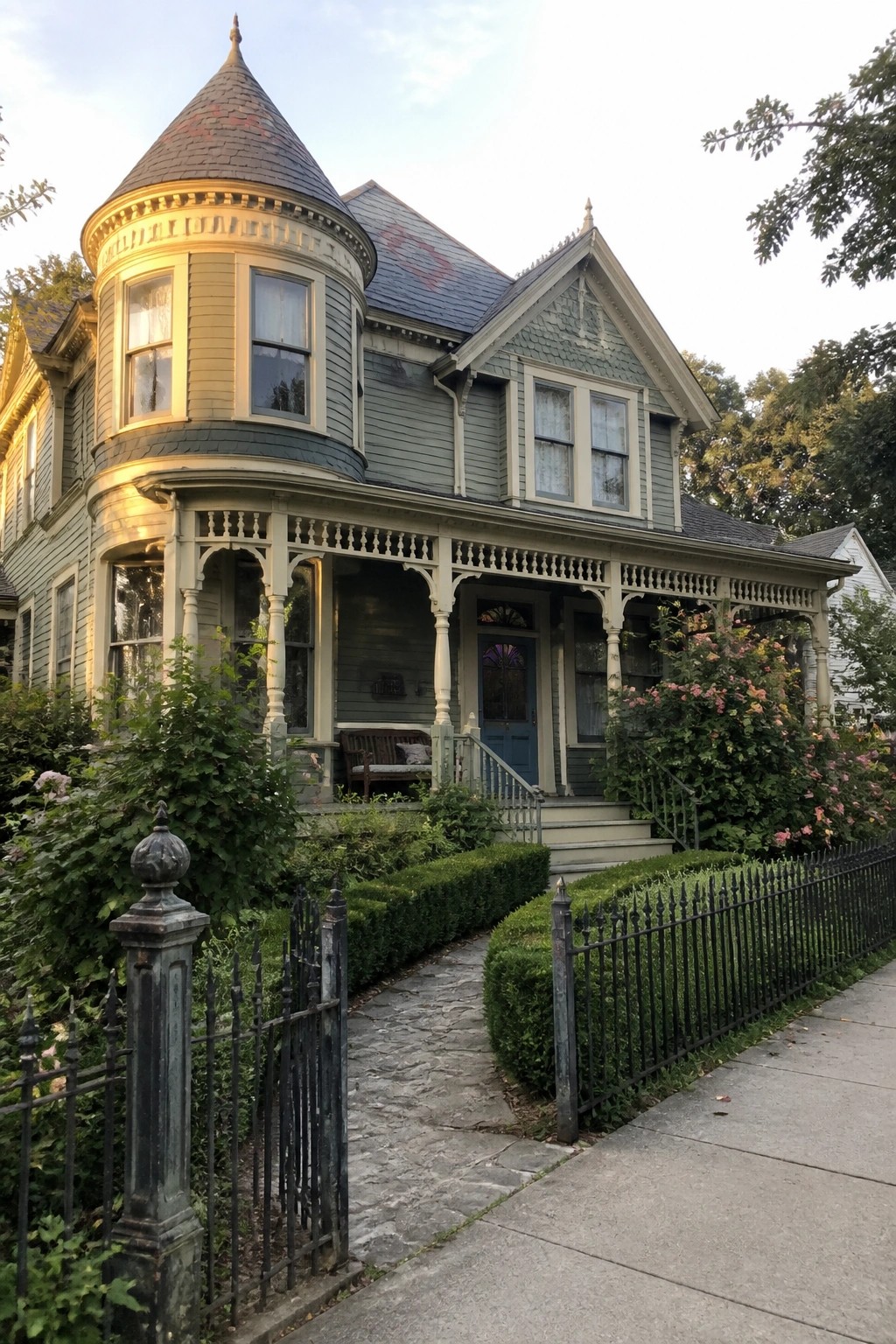
A turret adds height and a rounded shape that breaks up the usual straight rooflines on a Victorian house. It draws attention to one side of the facade and gives the whole place a bit more presence without needing extra width or height everywhere else.
This works best on homes that already have some width to the front so the curve does not feel squeezed. Keep the trim and siding colors close to the rest of the house so the turret reads as part of the original design rather than an add-on.
Let the Trim Color Highlight the Details
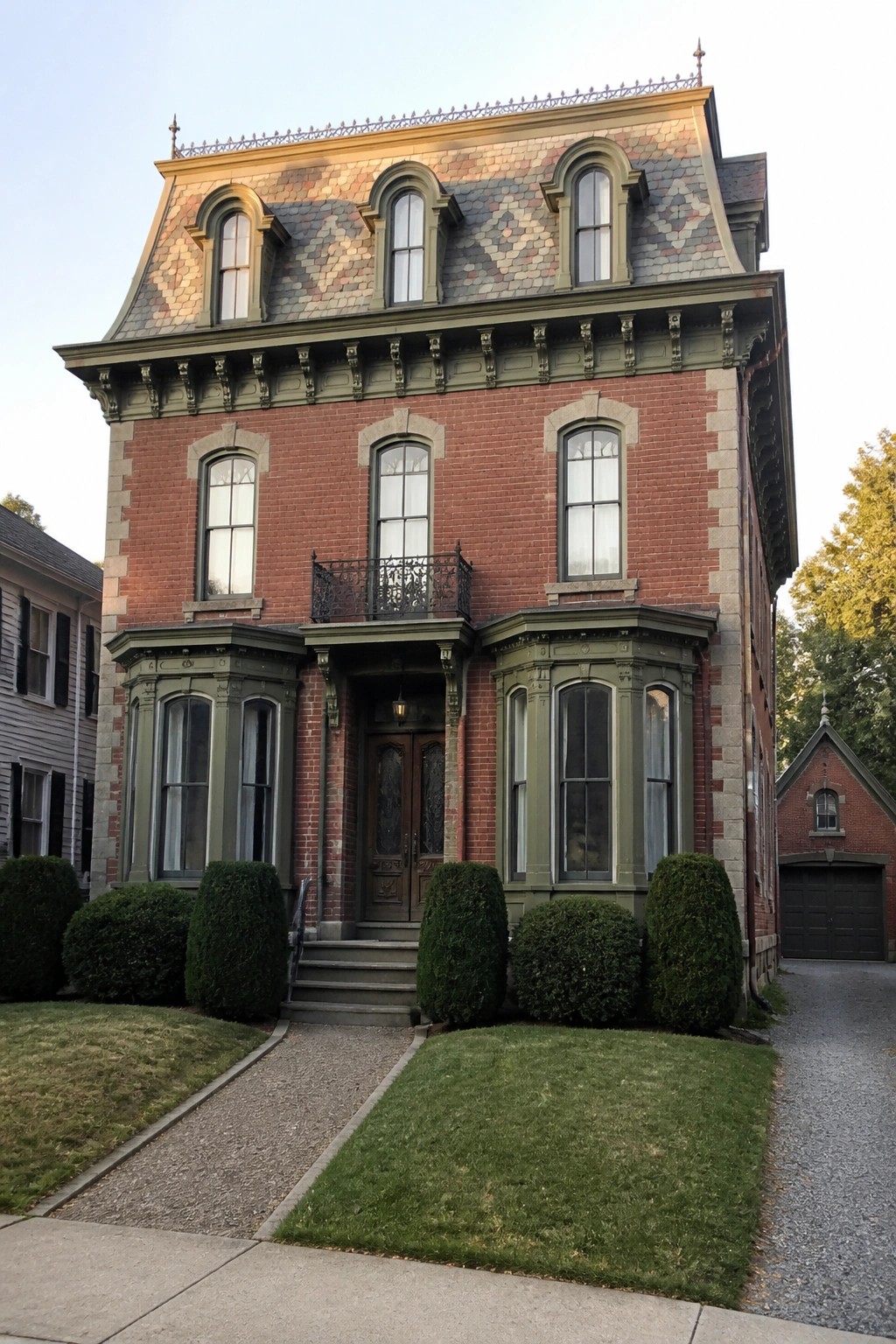
A strong trim color makes the ornate woodwork on a brick Victorian stand out instead of blending in. The green used here pulls attention to the window frames, roof brackets, and bay window details without overpowering the red brick. It keeps the house from looking flat while still feeling true to the style.
This approach works best on homes that already have lots of carved trim or layered rooflines. Stick with a deep or mid-tone shade that has some contrast but still feels period appropriate. Test the color on a small section first, since brick can shift how it reads in different light.
Dark Paint Choices for Victorian Homes
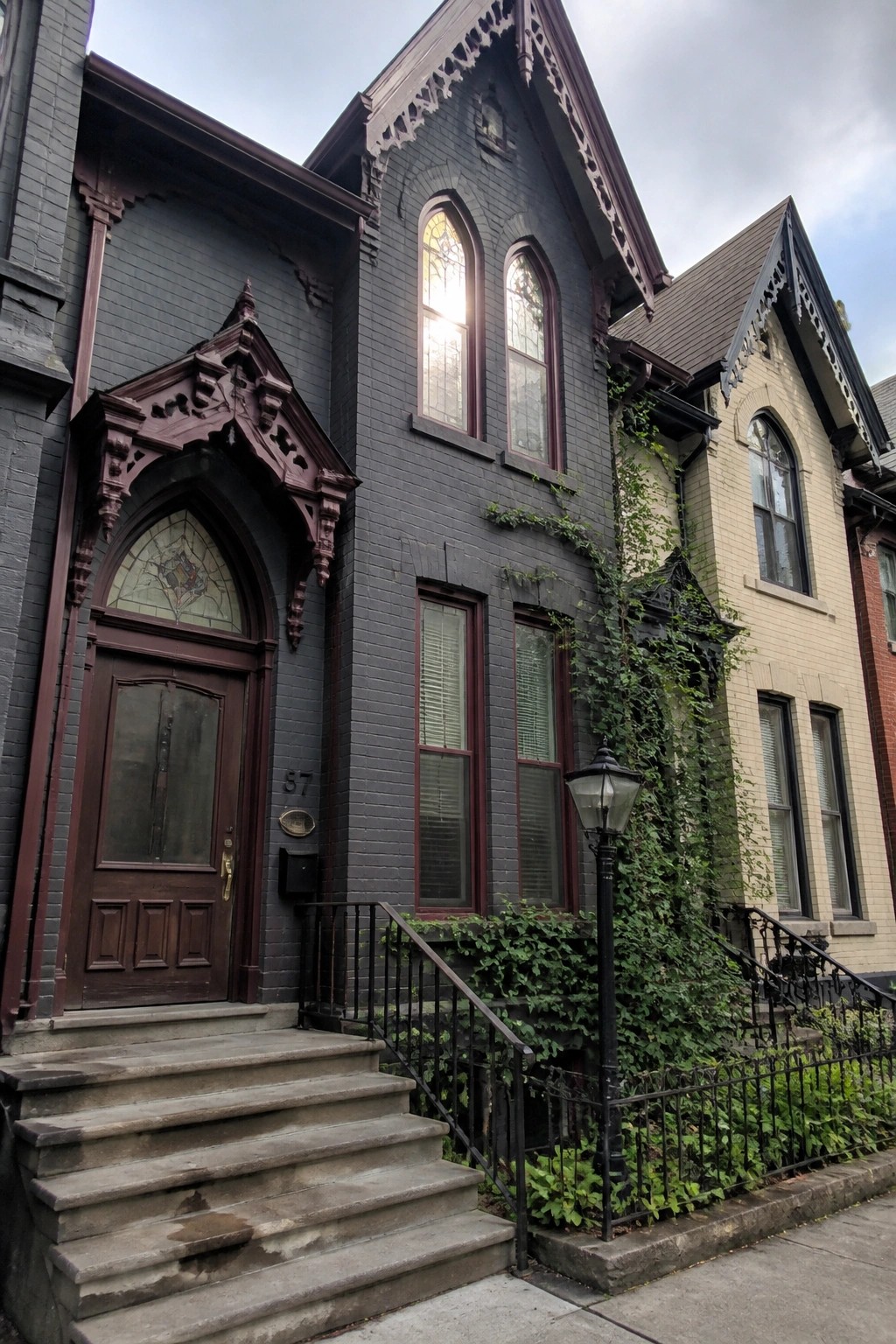
A dark exterior color can make the fine trim and window shapes on a Victorian house stand out more clearly. The deep gray here lets the burgundy details and arched forms read as strong features instead of getting lost against a lighter background.
This works best on homes that already have plenty of carved woodwork or interesting rooflines. Keep the trim color noticeably lighter so the details stay visible, and plan for regular touch-ups since darker paint shows wear faster on older siding.
Stone Walkways for Better Curb Appeal

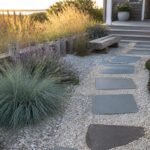
A stone path gives the front of a Victorian home a settled feel that works especially well with older architecture. It breaks up open lawn space and creates a clear route that leads visitors straight to the porch without any extra effort.
This approach works best on homes that already have some garden beds along the front. Keep the stones irregular in shape and let low plants grow close to the edges so the path feels like part of the landscape rather than a separate feature.
Stone Steps for a Stronger Entry
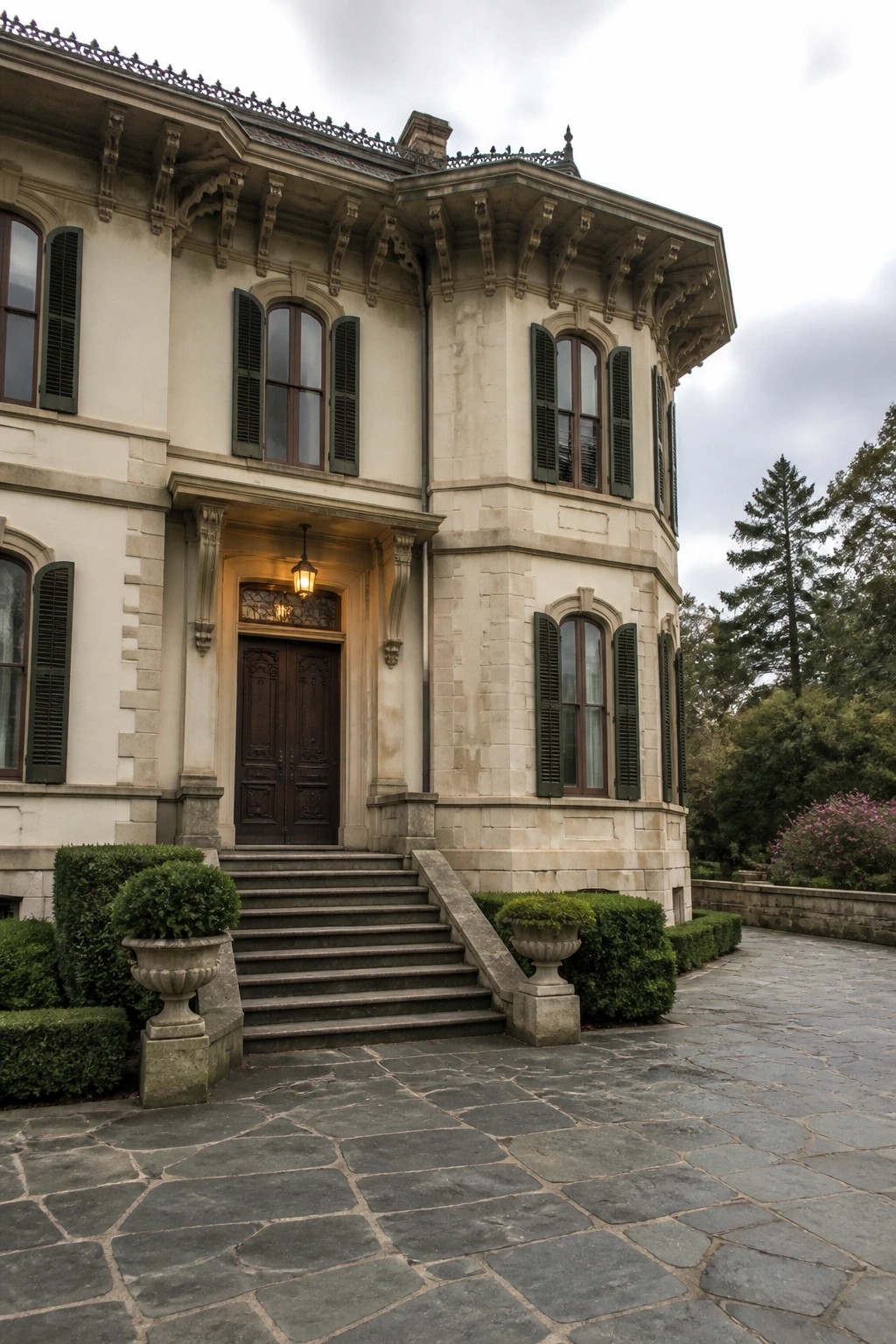
A set of broad stone steps that lift the front door above ground level gives a Victorian house real presence without needing extra decoration. It turns the entrance into the clear focal point and makes the whole facade feel more grounded and substantial.
This approach works best on homes with some width to the lot so the steps do not feel cramped. Pair them with simple double doors and minimal lighting overhead, then let the stone and the height carry the weight. Avoid adding too many planters or railings that break the clean line up to the door.
Towers That Add Height and Presence to Victorian Homes
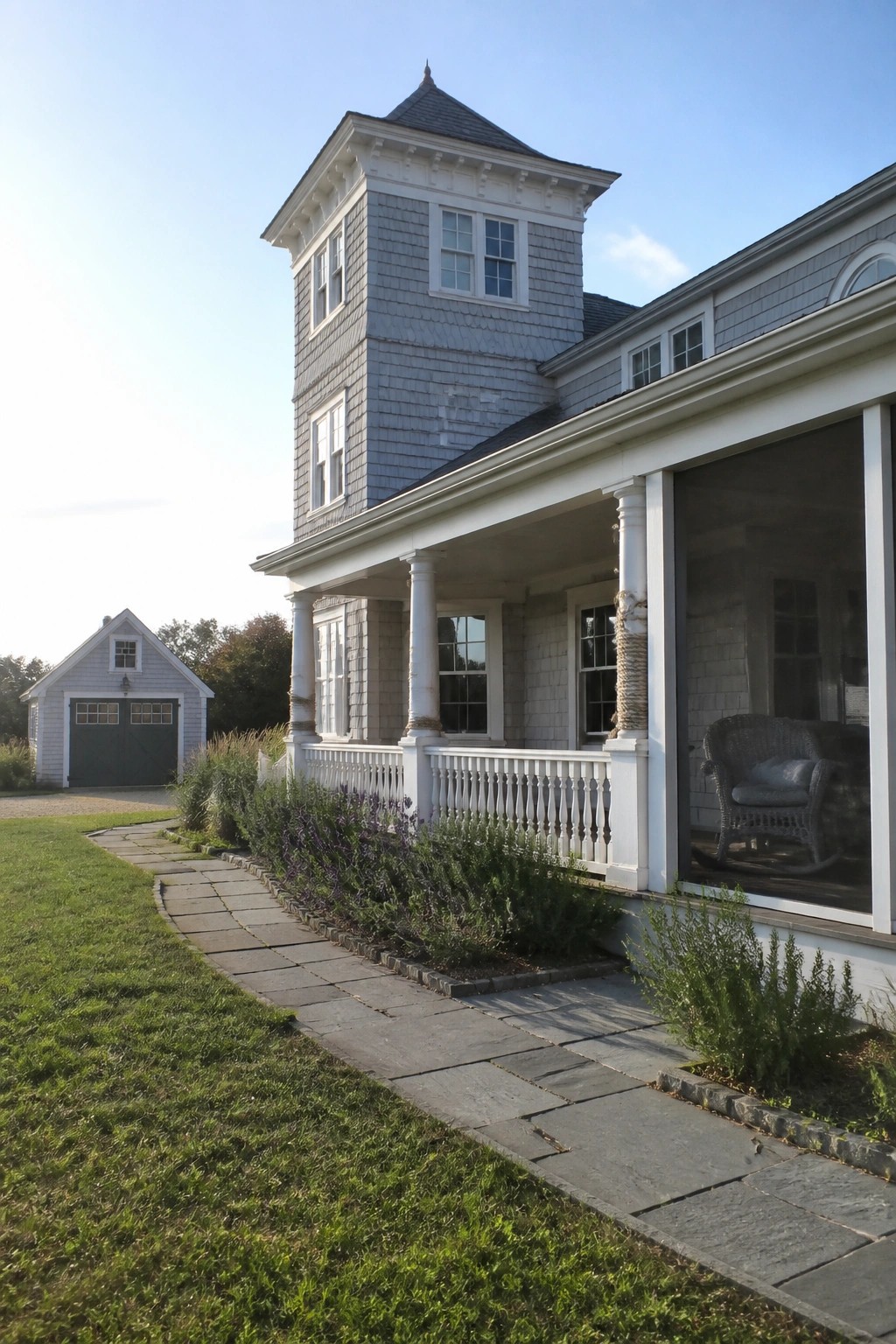
A tower gives a Victorian home a clear vertical focus that changes how the whole facade reads. It breaks up a long roofline and makes the house feel taller and more substantial even when the footprint stays modest.
This detail works especially well on homes with enough land around them so the tower can be seen from the street. Match the siding and window style to the rest of the house so the addition feels original rather than added on later.
Dark Paint On Victorian Exteriors
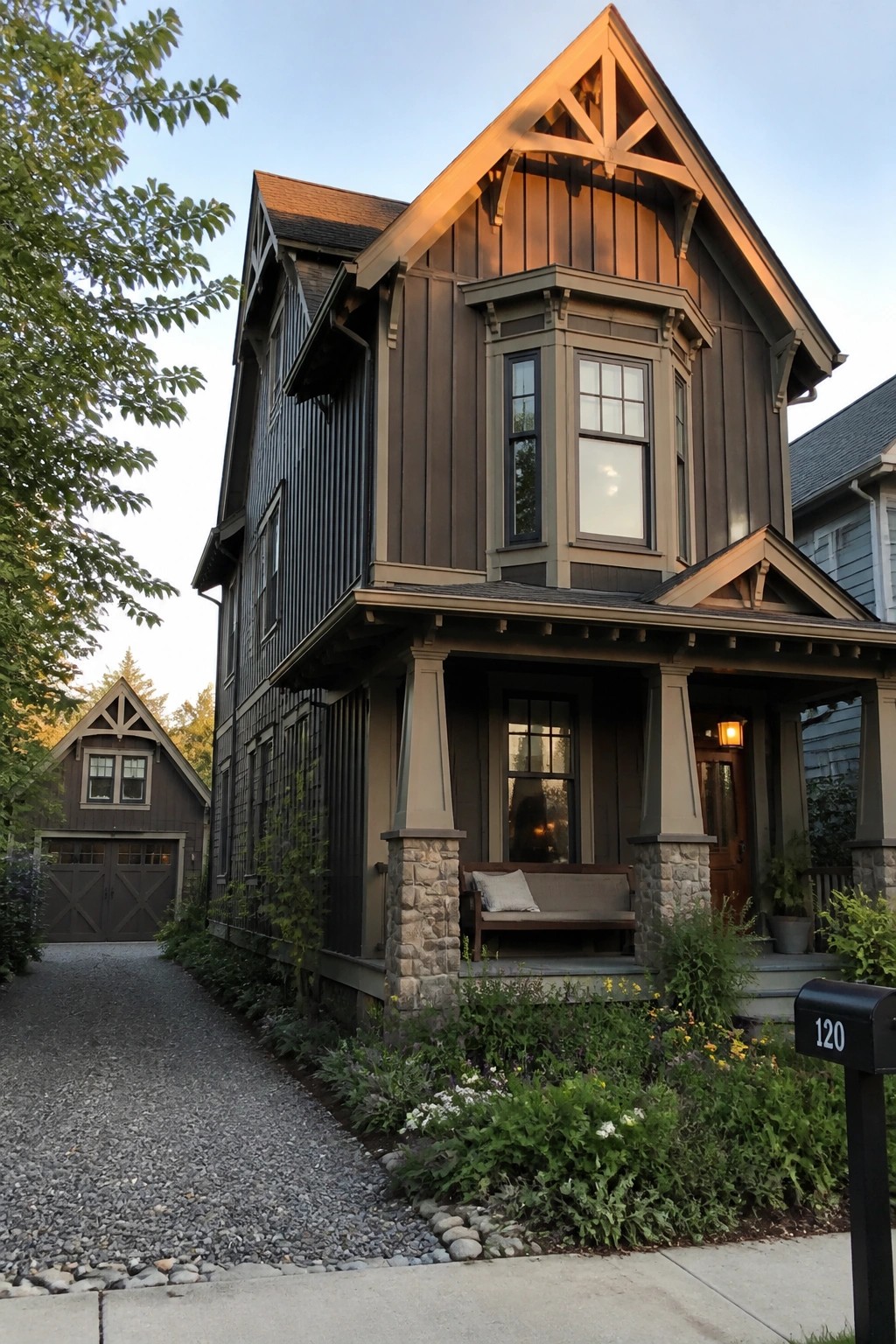
Many older Victorian homes gain a lot from a deep exterior color. The dark tone makes brackets, window trim, and gable details stand out more clearly than lighter shades would.
This works best on houses that already have strong woodwork and a clear roofline. Keep the trim color light and consistent so the contrast stays sharp instead of busy.
Soft Colors Help Victorian Details Stand Out
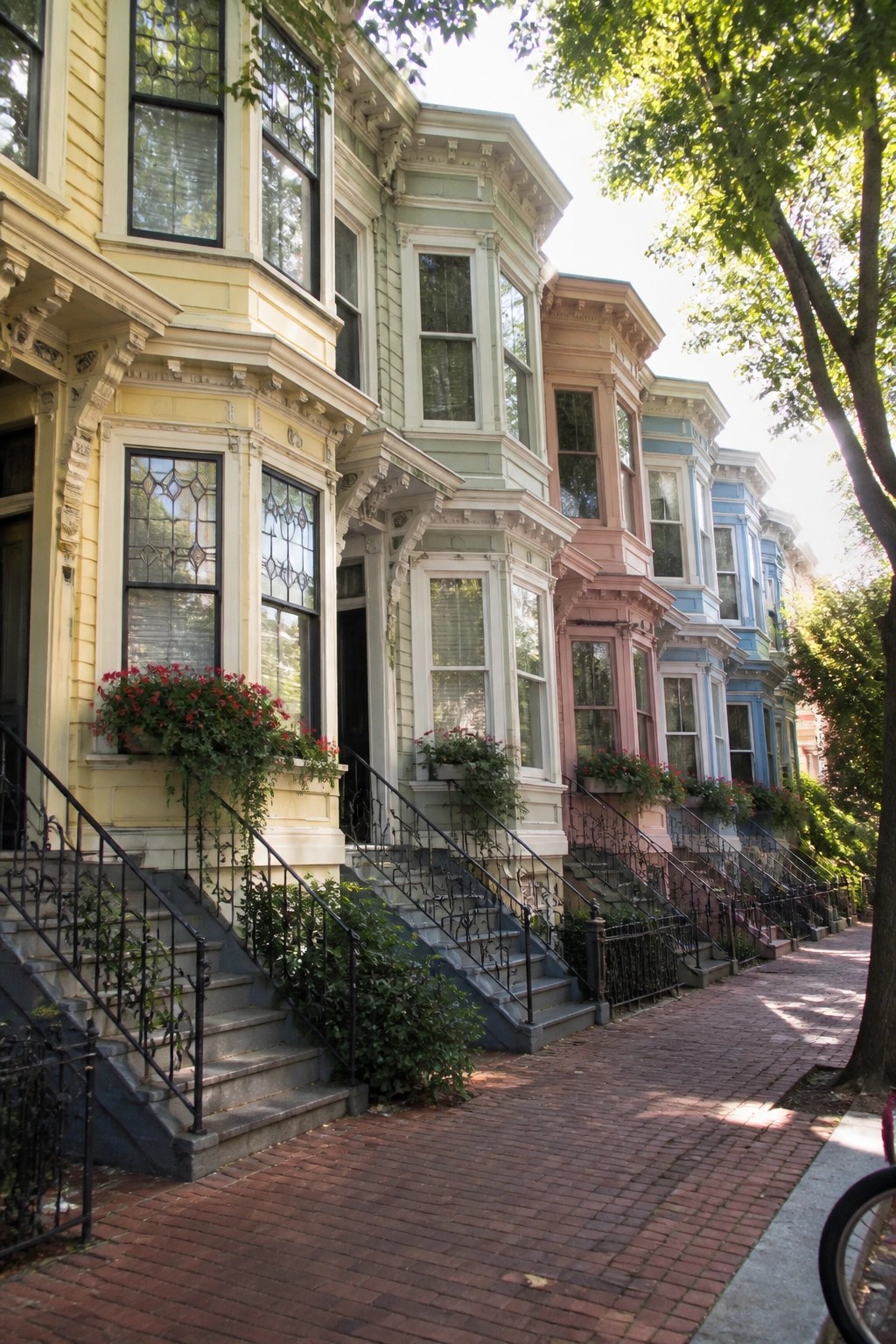
Many Victorian homes gain a lot from a gentle color approach. Using soft pastels on the siding and trim keeps the ornate windows and cornices visible without making the houses compete too much with each other.
This works best on row homes or any block where the buildings sit close together. Choose colors from the same muted family so the street feels unified while each home still shows its own character.
Adding Seating to a Front Porch

A front porch works best when it has a few comfortable chairs so people actually use the space. Wicker seating like the pair shown here fits the scale of a Victorian porch without crowding it and gives a place to sit without moving indoors right away.
This setup suits homes that already have a covered porch with some depth. Keep the chairs simple and weather ready, then add a small rug for comfort underfoot. Avoid filling the whole area with too many pieces or the open feeling starts to disappear.
Add Depth with a Balcony Over the Entry

A balcony placed directly above the front porch gives the entrance more weight and structure. The extra layer breaks up a tall brick facade and makes the door feel like a clear destination rather than just another opening in the wall.
This approach works best on homes with two or more stories where the proportions can handle the added mass. Keep surrounding plantings low and simple so the lines of the porch and balcony remain easy to read.
Victorian Homes With Detailed Porch Trim

Many Victorian homes stand out because of the trim work on the porch. The brackets, railings, and lattice add character without needing a lot of extra decoration. This kind of detail keeps the style recognizable even when the house uses a softer color like muted green.
This approach works well on smaller or coastal homes where you want the architecture to feel light rather than heavy. Focus the trim on the main porch area first, then match the white to the window frames so everything ties together. Avoid adding too many patterns at once or the look can feel busy.
Turrets Shape Victorian Home Exteriors

A turret like the one on this house gives the exterior a rounded form that stands out against the straight brick walls. It breaks up the roofline and adds a bit of height without making the whole structure feel tall and narrow.
This approach works well on homes with enough space around them so the curve can be seen clearly from the street. It suits traditional Victorian designs where the goal is to add visual interest through form rather than just more decoration.
Warm Siding With Dark Trim On Victorian Homes

A warm yellow-orange siding paired with deep brown trim gives this Victorian house a friendly, grounded look that still shows off all the original woodwork. The contrast helps the decorative details stand out without feeling busy, and the color choice keeps the whole front from looking too heavy.
This approach works best on homes that already have plenty of trim and porch details. Stick to two or three colors max so the architecture stays the focus, and test the siding shade in different lights before committing.
Stone Paths With Decorative Gates
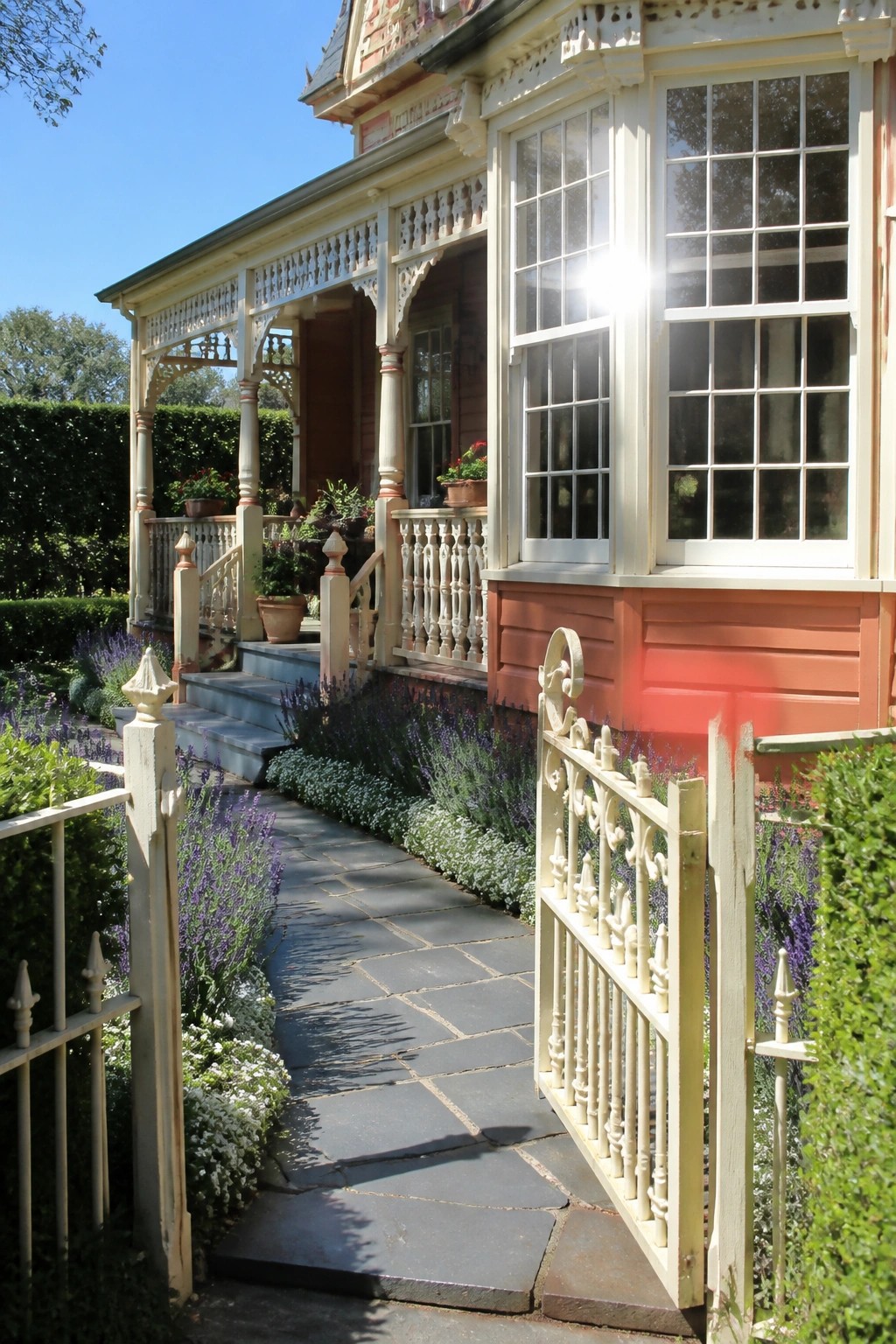
A stone path with a gate gives a Victorian home a clear sense of arrival. It turns the walk from the street into something more intentional and helps the house feel settled into its setting.
This approach works well on homes that already have some garden space out front. Keep the gate fairly light in style and match it to the porch trim so the whole entry feels connected rather than added on later.
Ornate Ironwork On The Porch

Many Victorian homes add interest to the entry by using decorative iron on the porch supports and trim. The detail stands out against simpler wall surfaces and gives the whole front a lighter look without needing extra color or pattern.
This works best on homes that already have some brick or stone so the iron does not feel too delicate. Match the metal tone to the window frames or keep it dark for stronger contrast against lighter walls.
Stone Walls That Edge Victorian Gardens

A low stone wall gives the front garden a clear boundary while letting the house stay visible from the street. It holds the planting beds in place and creates a gentle step up from the sidewalk, which keeps the whole front feel organized without looking stiff.
This works best on older homes where the architecture already has plenty of detail. Keep the wall height under two feet so it does not block windows or the porch, and let the plants spill over the top a little. Use the same local stone if you can, so it blends with the existing hardscape around the house.
A Deep Front Porch That Welcomes Guests

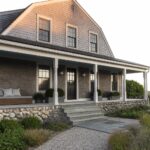
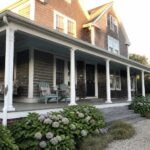
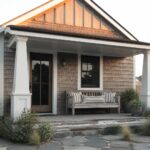
A deep front porch works well on Victorian homes because it gives the facade a clear focal point and creates a natural transition from the street. The columns, railings, and roof overhang add visual weight without overpowering the rest of the house.
This approach suits older homes that already have some width at the front and works best when the porch is kept in proportion to the overall scale. Keep the trim colors simple so the details stay readable from the street, and avoid crowding the steps with too many plants.
Using a Turret to Break Up the Roofline

A turret gives a Victorian house a clear focal point that lifts the whole facade. It breaks the roof into different heights and keeps the mass from feeling too flat or boxy.
This works best on homes where at least one side faces the street or a side yard. Match the turret siding and trim to the rest of the house so the shape stands out more than the color change.
Frequently Asked Questions
Q: Can I mix Victorian details with a modern house without it looking odd?
A: Start with small touches like extra trim around windows or a deeper porch overhang. Match the scale so nothing feels tacked on. The rest of the house can stay simple.
Q: How do I keep the woodwork looking good over time?
A: Walk around the outside once a season and spot any peeling paint early. Touch up those spots right away before moisture gets in. Focus on the areas that get the most sun first.
Q: What if I want to build new but keep that Victorian feel?
A: Pick a few signature moves like a steep roof pitch and turned posts on the porch. Let your builder price the details you care about most. Skip the rest so the budget stays realistic.