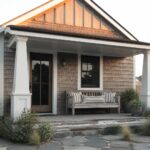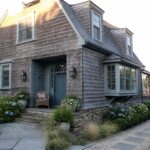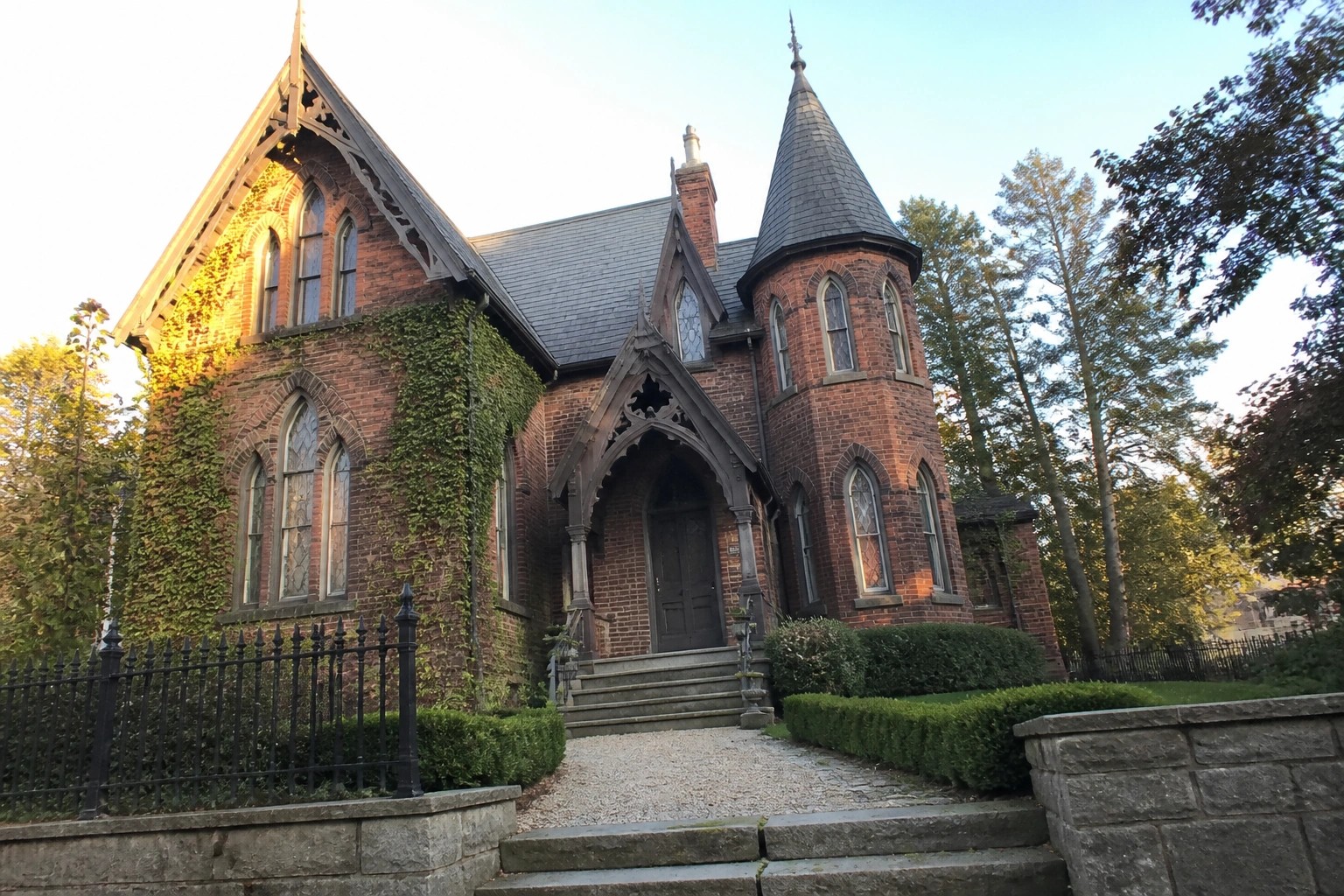
I have always been drawn to the way pointed arches shape the front of a Victorian house and give it that sharp vertical lift against the sky.
When I walk past older homes like these the arches seem to pull the eye upward and make the facade feel taller than it actually is.
That detail alone can shift the entire curb appeal.
Materials matter too because stone or wood trim around the arches either softens or hardens the look depending on the surrounding siding.
In the end I would test a scaled down version of the arch detail on my own entryway to see if it holds up in daily light.
Pointed Arch Porches
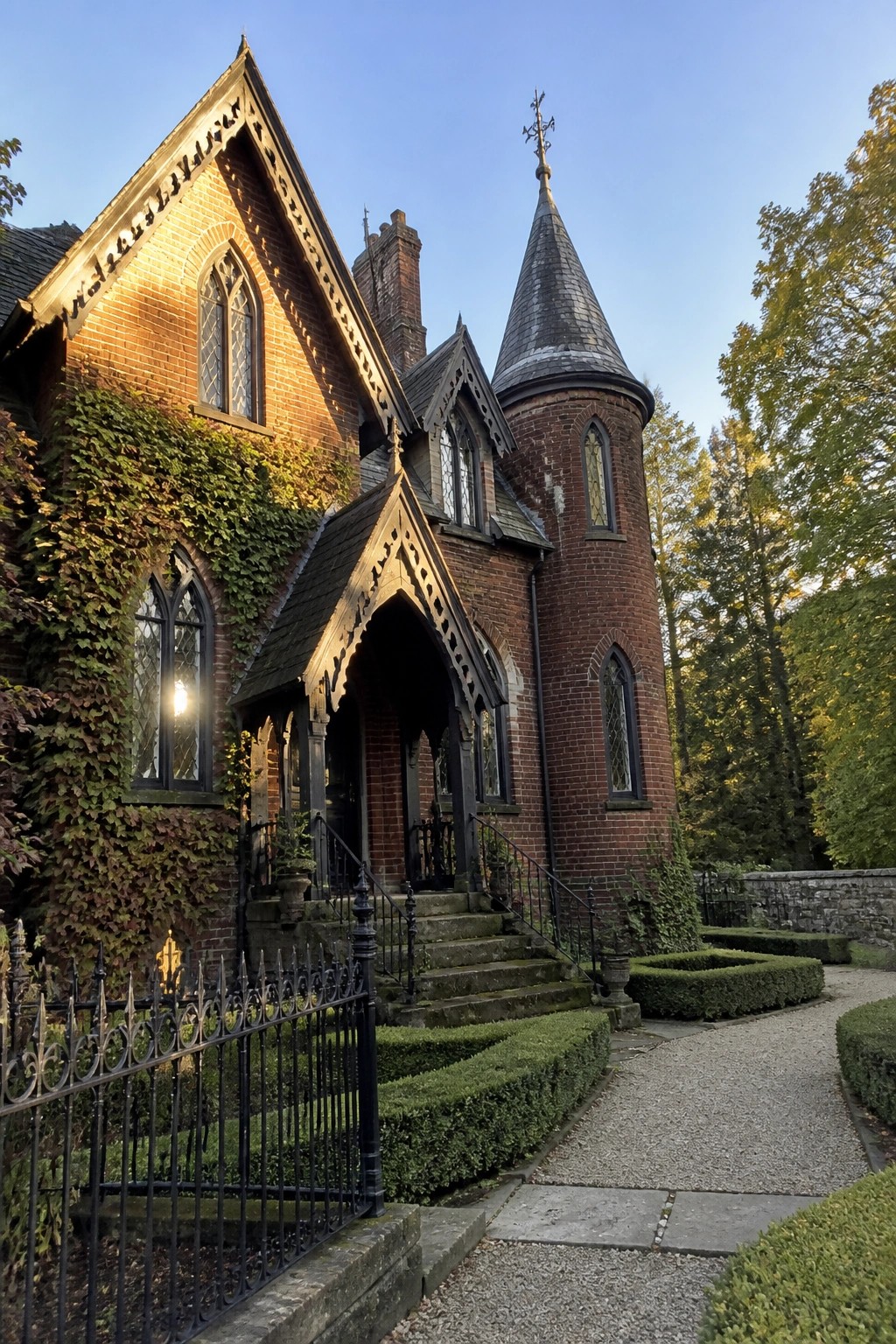
A pointed arch porch gives a Gothic Revival house a clear focal point right at the front door. It draws the eye upward and sets the style for the rest of the facade without needing extra ornament.
This works best on brick or stone homes where the arch can repeat in nearby windows. Keep the porch depth modest so it still feels like an entrance rather than a full room, and match the arch shape to any gable or window details already on the house.
Pointed Arches at the Entry

Pointed arches give a house that clear Gothic Revival look without needing a lot of extra detail. They lift the eye upward and make the front door feel like the main event on the facade.
This works best on Victorian homes with steep rooflines and dark siding. Keep the trim light so the shape stands out, and use the same arch form on nearby windows to tie everything together.
Pointed Arch Entries

A pointed arch over the main door gives the front of the house a clear shape that stands out right away. It works well on homes with stone trim because the arch lines up with the heavier materials and keeps the entry from looking flat.
This approach suits Victorian style homes that already have some height to the roofline. Match the curve in a small window above the door if you want the detail to feel like it belongs rather than added on later.
Pointed Arches Define the Facade

Pointed arches are the feature that gives this style its edge. They stretch the windows upward and turn a simple brick wall into something more dramatic without needing extra ornament.
This approach works best on narrow urban homes or row houses where the facade needs to feel taller. Keep the rest of the details simple so the arches stay the focus, and use a dark brick or paint color to make the shape read clearly from the street.
Pointed Arches Shape the Facade

Pointed arches give a house that clear Gothic Revival look without needing much else. They stretch the windows upward and add a sharp, historic detail that stands out on stone walls.
This approach works well on Victorian homes or any older house where you want to keep the original materials but add more character. Just match the arch shape to the scale of the windows so it feels like part of the original build rather than an add-on.
Pointed Arches at the Entry

Pointed arches work well as a direct way to bring Gothic Revival style to the front of a house. They give the entrance a clear shape and help the doorway stand out against the rest of the brick facade.
This detail suits older brick homes that already have steep rooflines and tall windows. Keep the arch trim in a dark finish so it reads against the masonry, and match the scale to the door height rather than making it overly wide.
Pointed Arches At The Front Entry

A pointed arch over the doorway gives a house that clear Gothic Revival character right where it matters most. The shape stands out against the stone and makes the entrance feel more defined without extra trim or ornament.
This approach works best on homes already built in stone or brick where the arch can match the existing material. Keep the rest of the facade fairly simple so the arch remains the main feature instead of competing with other details.
Pointed Arches Shape the Entry

Pointed arches give a Gothic Revival house its clear identity right at the front. They turn a standard porch into something more structured and historic, and they help tie the windows and roofline together without extra ornament.
This approach works best on older homes or new builds that want that same Victorian edge. Keep the arches consistent in shape and scale, and let the trim color stand out against the siding so the detail reads clearly from the street.
Pointed Arches Over Windows and Doors

Pointed arches give a house that tall, graceful look without any extra height. They pull the eye upward and make the whole front feel more formal and historic at the same time. On this stone house the matching shape on both the tall windows and the entry door keeps the design consistent.
This detail works best on masonry homes that already have some age or weight to them. Use it on the main windows and the front door, then keep the rest of the trim fairly plain so the arches stay the focus. Too many extra curves or ornaments can start to compete.
Pointed Arches at the Entry
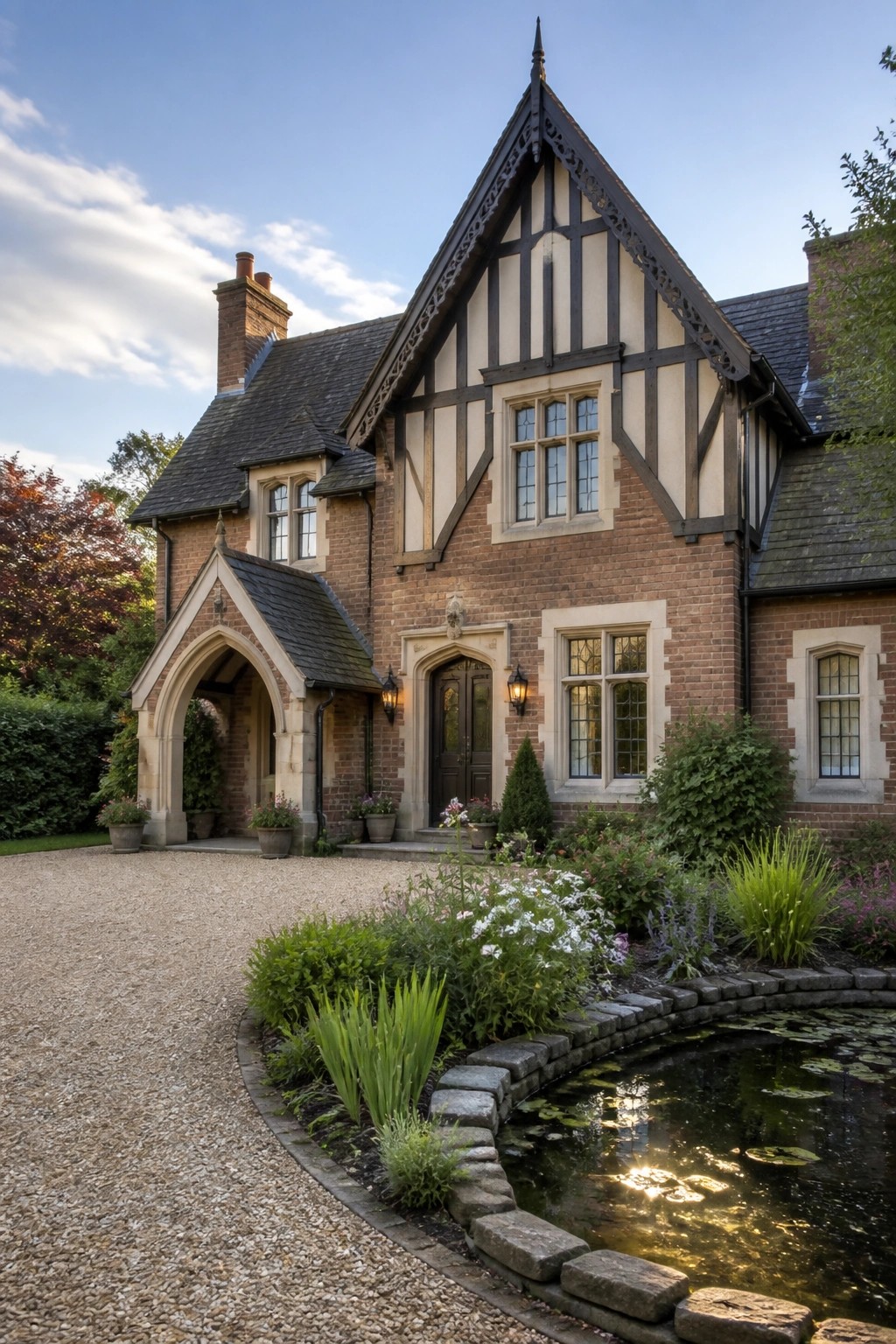
A pointed arch over the door gives the front of a house an immediate Gothic Revival character. It adds height and a bit of drama while still looking at home on a brick and timber facade.
This detail works best on homes with a similar period feel. Keep surrounding trim simple so the arch stays the focus without competing with too many other shapes.
Pointed Arches Shape the Facade
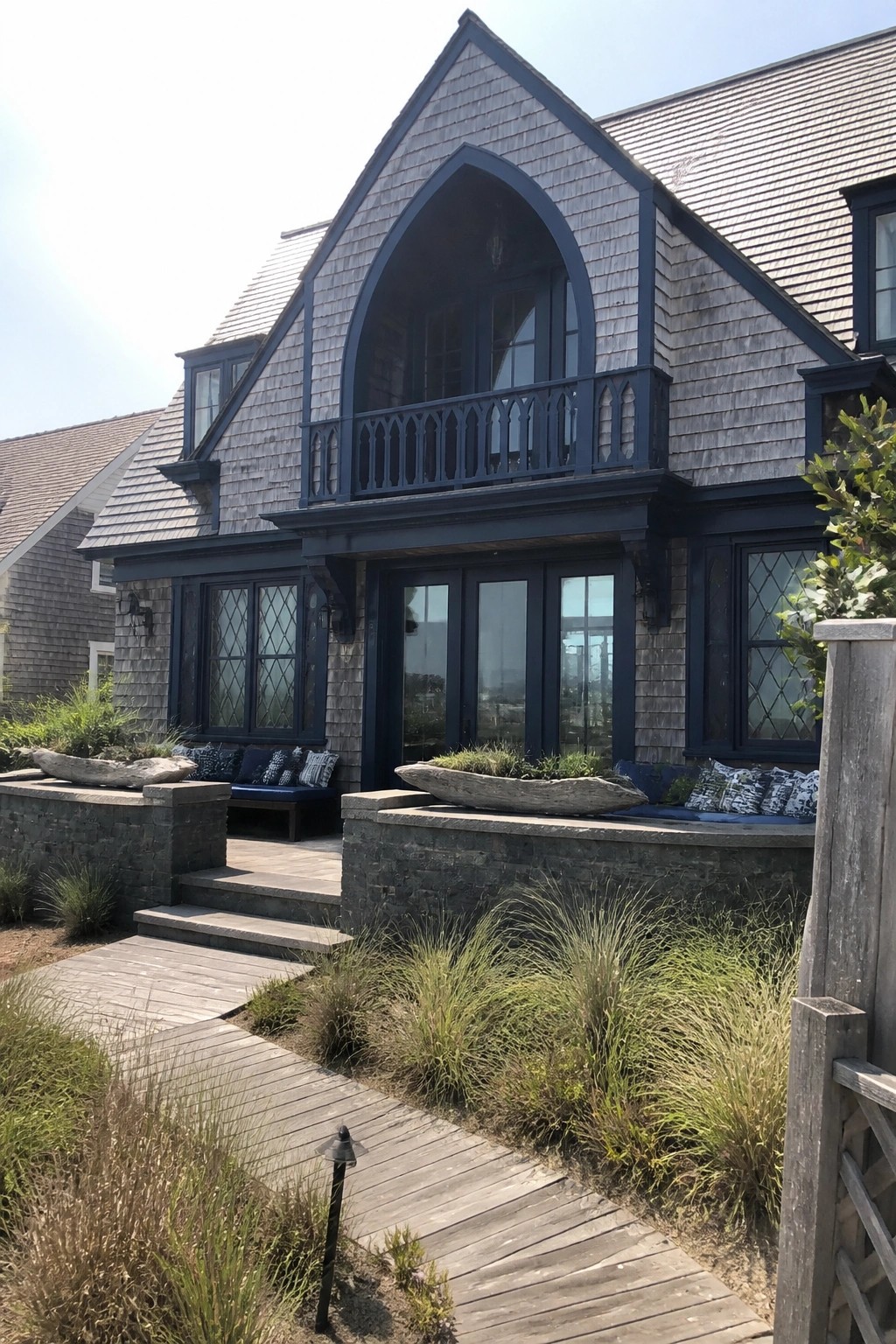
Pointed arches give a house that sharp Gothic Revival look without adding much else. They create height and focus along the front, especially when set against plain shingles and dark trim.
This detail works well on homes with steep rooflines. Keep the arches clean and let them frame main windows or doors so the style stays clear rather than busy.
Pointed Arches Shape the Facade

Pointed arches give a house that clear Gothic Revival feel without needing much else. They turn ordinary windows and doors into something more distinctive and help the whole front read as older and more formal.
Place them over the main entry and a few key windows so the shape repeats without crowding the wall. They work best on stone or brick homes where the contrast with wood trim stays sharp. Keep the rest of the openings simple so the arches stay the focus.
Pointed Arches Over the Entry

Pointed arches give a Gothic Revival house its main character right at the front door. They match the windows above and help the entry feel taller and more defined without extra trim or ornament.
This approach works best on homes that already have some vertical lines in the roof or windows. Keep surrounding details simple so the arches stay the main feature instead of competing with other elements.
Pointed Arch Windows Shape Gothic Revival Facades

Pointed arch windows give these houses their clear vertical lift. The tall shape draws the eye upward and makes even a modest exterior feel more formal and historic.
They work best on homes with steep rooflines and simple wall surfaces. Keep the trim color consistent with the rest of the woodwork so the arch reads as part of the original architecture rather than an added accent.
Frequently Asked Questions
Q: Where can I look for real examples of these houses near me?
A: Check local historic districts or preservation societies in older neighborhoods. They often have records of Victorian homes with Gothic details like pointed arches. Visiting in person gives you the best sense of scale and light.
Q: How much maintenance do those pointed arches need over time?
A: Stone or wood arches hold up well if you keep them sealed against moisture. A quick annual check for cracks or peeling paint prevents bigger issues down the road. Most owners find the upkeep similar to any detailed trim on an old house.
Q: Can I add pointed arches to a regular Victorian without it looking fake?
A: Start with matching the existing trim style and materials closely. Proportion matters more than exact copies so keep the arches in scale with your windows. A skilled carpenter can blend them in naturally.