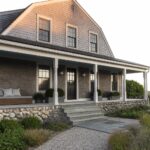
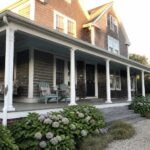
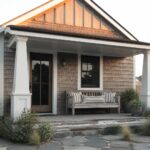
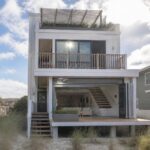
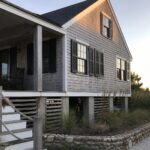
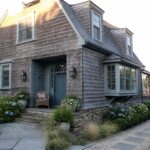
I often catch myself studying how Stick-Eastlake Victorians layer wood trim across their fronts to add rhythm without crowding the overall shape.
The brackets and patterned panels usually draw attention to roof edges and porch supports in a way that makes the whole house feel more grounded from the street.
I have noticed that homes where the woodwork stays in proportion to the siding tend to hold their curb appeal longer than those that go heavier on every surface.
It helps when the details highlight the entry rather than compete with it.
Balance matters most.
Porch Trim That Highlights the Woodwork

The spindle railings and layered trim along the porch stand out because they add fine detail without overpowering the rest of the house. This kind of woodwork breaks up the larger surfaces and gives the entry a lighter look while still feeling true to the style.
It works best on homes that already have strong roof shapes and several windows to balance the pattern. Paint the trim in a light color against darker siding so the shapes stay visible from the street, and avoid crowding the design with too many extra pieces.
Contrasting Trim to Showcase Wood Details

Painting the trim a lighter shade against darker siding makes all the carved brackets and stickwork stand out. This approach works especially well on homes that already have a lot of exposed wood details, since the contrast draws the eye to the patterns without adding anything new.
It suits older houses where you want to keep the original character while making the facade easier to read from the street. Stick with two or three colors at most so the woodwork remains the focus instead of competing patterns.
Woodwork That Highlights the Entry

Stick-Eastlake homes often use carved trim to draw attention to the front door. The patterns above the opening and the turned posts on each side give the entry a clear focus while still keeping the overall look balanced.
This works best on homes that already have some Victorian details. Keep the trim painted to contrast with the siding and door color so it reads from the street without adding too much elsewhere.
Using Multiple Layers Of Trim On The Exterior

Stick-Eastlake homes often rely on stacked bands of trim, brackets, and spindles to break up flat wall surfaces. The effect gives the facade more depth and keeps the eye moving across windows and porches instead of landing on plain siding.
This approach suits homes with straightforward shapes, since the woodwork itself supplies the character. When restoring or updating one of these houses, it helps to match the scale of the original details so the trim does not feel added on later.
Layering Paint Colors on Victorian Trim

Many older homes use several paint colors on the trim to make the woodwork stand out. The different shades help define curves and small details that would otherwise blend into the siding.
This approach works best on houses that already have plenty of brackets and moldings. Start with the eaves and window surrounds if you want to test the look without repainting the whole exterior.
Porch Woodwork That Defines the Style

Stick-Eastlake homes often place their most noticeable trim on the porch. The turned posts and cut-out railing here give the entry a clear sense of craft while keeping the rest of the siding fairly plain.
This works best on houses where the roofline stays simple. Match the trim color closely to the body so the details read as one layer instead of a separate accent that fights the walls.
Add Intricate Trim To The Porch

Stick-Eastlake homes often stand out because of the wood trim that runs along the porch and up into the gable. The brackets, spindles, and small cutouts give the entry a finished look without needing much else. That layer of detail turns a plain facade into something worth noticing from the street.
This approach works best on older homes where the trim can echo the original style. Keep the colors close so the patterns read clearly, and avoid crowding the space with heavy plantings right against the posts. A few well-placed pieces of trim can make the whole front feel more complete.
Stickwork Details Along The Gables

Stick-Eastlake homes often use simple boards to create patterns right on the gable ends. The straight lines and small brackets break up the roof shape and give the house a lighter look without adding much weight.
This works best when the siding stays plain so the trim can stand out. On a two-story house it helps the upper part feel finished rather than plain, and the same boards can repeat on porch brackets to tie the whole front together.
Keeping Furniture Minimal on an Ornate Porch
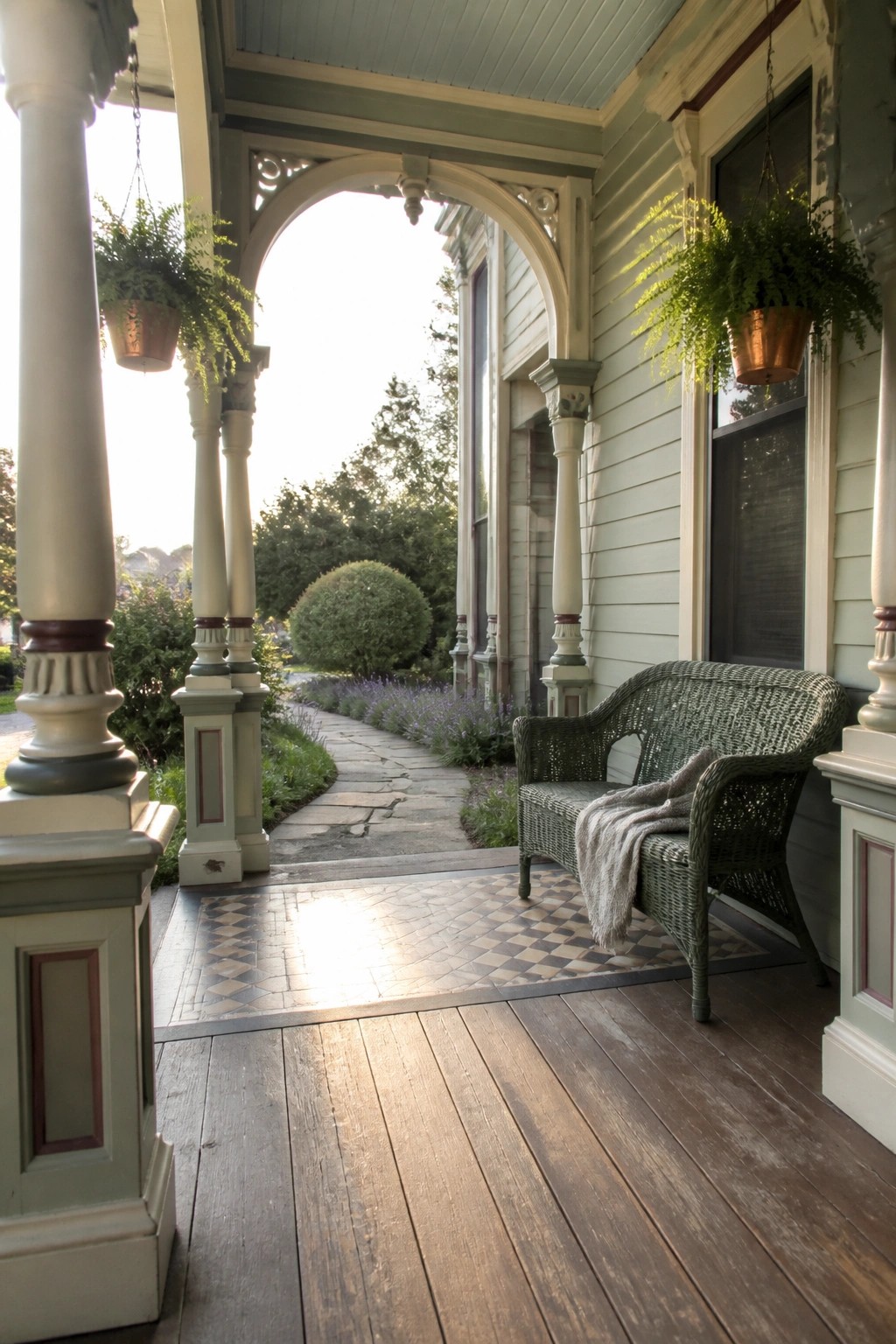
One chair is often enough when the porch already has strong architectural details. The wicker seat here sits quietly under the arches and columns, letting the woodwork remain the main feature instead of competing with extra pieces.
This works best on Victorian homes where the trim carries most of the character. Stick to one or two natural pieces that feel light and period appropriate so the space stays open and easy to use.
Layering Wood Trim On The Gable

Stick-Eastlake homes often gain their character from the way trim builds up around the gable. The carved panels and brackets here give the roofline weight without needing extra color or size.
This approach works best on houses with a clear peak that can carry the detail. Keep the pattern consistent with the porch brackets so the whole facade feels connected rather than patched together.
Adding Detailed Wood Trim to the Gable

The wood trim in the gable gives the house a clear focal point without needing extra color or ornament everywhere else. It breaks up the roofline and keeps the overall look balanced even when the siding stays plain.
This approach works best on homes with a steep pitch and a simple color scheme. Match the trim color to the porch railings so the details feel connected rather than scattered.
Decorative Woodwork at the Entry
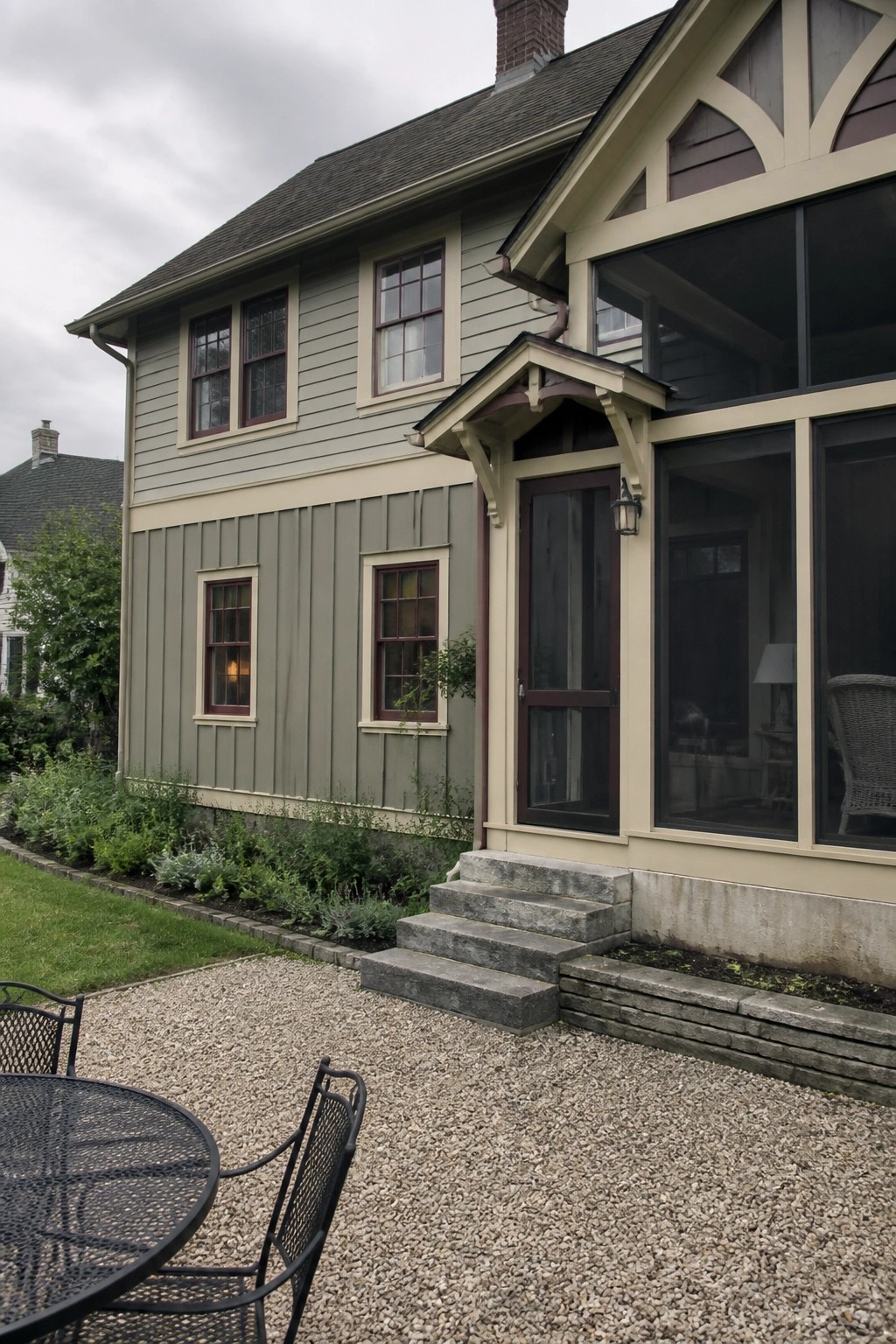
Stick-Eastlake homes often use small touches of trim to draw attention to the front door without overdoing it. Here the brackets under the gable and the simple molding around the door create a clear focal point that feels intentional but not heavy.
This approach works well on houses with plain siding because the wood details add interest right where people approach. Keep the trim color close to the main body or a shade darker so it reads as part of the architecture rather than an afterthought.
Porch Trim That Brings Out the Style

Stick-Eastlake homes often stand out because of the wood trim that runs along the porch and railings. Here the turned balusters and brackets create a layered look that feels light but still detailed. It keeps the front from looking plain and shows off the craftsmanship without needing extra color or bold paint.
This approach works best on older homes where the porch already has some structure. Keep the trim painted to match the house or use a slight contrast so the details read clearly from the street. Avoid overloading every surface since the railings already carry a lot of the visual weight.
Dark Door Color for the Entry

A dark front door gives a Victorian house a clear focal point. The contrast against lighter siding makes the entrance feel more defined without adding extra trim or ornament.
This approach suits homes with gray or soft neutral paint. Keep the door color close to any shutters or porch details so the whole front stays balanced.
Stickwork on Gables and Porch

Stickwork in the gables gives a Victorian house extra layers without needing much color change. The diagonal and vertical pieces break up the siding and make the roofline feel more finished.
This approach suits homes that already have steep roofs and wide eaves. Keep the patterns tight in the upper sections and let the porch trim stay a bit simpler so the whole front stays balanced.
Ornate Brackets Highlight the Porch

Carved wood brackets like the ones on these porch posts give a Victorian home extra character without needing much else. They frame the windows and entry in a way that feels deliberate and tied to the style of the house.
This detail works best on Stick-Eastlake homes where the woodwork is meant to be noticed. Look for brackets with similar curves and cutouts if you are restoring trim, or have them made to match the scale of your posts.
Paint the Trim in Contrasting Colors

Stick-Eastlake homes often have so much wood detail that it can get lost if everything is the same color. Using two or three shades on the trim helps each bracket, panel, and spindle read clearly from the street. The house in the photo shows how a darker green on the main body lets the lighter trim and brackets stand out without extra effort.
This approach works best on older homes where the woodwork is already in good shape. Keep the main body color deeper and let the lighter tones handle the details. Avoid too many colors or the whole facade can start to feel busy.
Porch Trim That Adds Character

Stick-Eastlake homes often stand out because of the woodwork on the porch. The fretwork panels and brackets give the entrance a lighter look while still showing off the style’s typical detail. This kind of trim turns a plain porch into something that feels tied to the rest of the house.
It works best on homes that already have some Victorian trim elsewhere. Keep the color light so the patterns read clearly from the street, and avoid overloading the rest of the facade. A simple bench or two under the covered area is usually enough to finish the space.
Decorative Wood Trim on Victorian Exteriors

The wood trim here gives the house its main character. Turned spindles on the porch and carved brackets under the overhangs create layers of detail that catch the light and break up the flat wall planes.
This kind of trim works best on homes that already have strong rooflines and bay windows. It suits older neighborhoods where you want the facade to feel finished, though it needs steady upkeep to keep the paint from peeling on all those small surfaces.
Stickwork Details on the Porch

Many Stick-Eastlake homes stand out because of the wood trim layered across the porch. Turned posts, rows of spindles, and brackets create a light, patterned look that breaks up the flat wall surface and gives the whole front a finished feel. This approach works especially well on homes with wide porches since the details stay visible from the street without feeling crowded.
Homeowners who want this effect should focus on a few repeating shapes rather than mixing every style of trim. The details hold up best when painted in two or three colors that separate the wood pieces from the siding. On newer builds the same look can be achieved with stock turned posts and pre-cut spindle panels as long as the scale stays in proportion to the house.
Frequently Asked Questions
Q: What details help you spot a Stick-Eastlake house from the street? A: Look for flat boards arranged in simple patterns across the walls and around the windows. The porches usually carry turned spindles and brackets with crisp angles cut into them. Those machine-made shapes set this style apart from smoother Victorian designs.
Q: How do owners keep the wood trim from rotting after decades of weather? A: Check the joints twice a year and seal any cracks before water gets in. A fresh coat of exterior paint every five or six years blocks most damage. Focus first on the eaves and porch ceilings where moisture collects fastest.
Q: Is it worth fixing missing wood pieces on an old home like these? A: Cut new brackets or spindles from matching lumber and nail them into place. The house regains its original shape and draws more attention from passersby.