I have always noticed that an original fireplace in a Victorian room tends to set the pace for how the space gets lived in rather than just looked at.
When the mantel stays in place it usually pulls seating and daily routines toward it in a way that feels natural once the furniture stops fighting the scale of the opening.
Many homeowners discover that the surrounding trim and plaster details only settle into balance after they adjust the rug size or the height of nearby lamps.
Some rooms still feel off no matter what you move.
I would start by testing one new chair placement near the hearth before touching anything else on the walls.
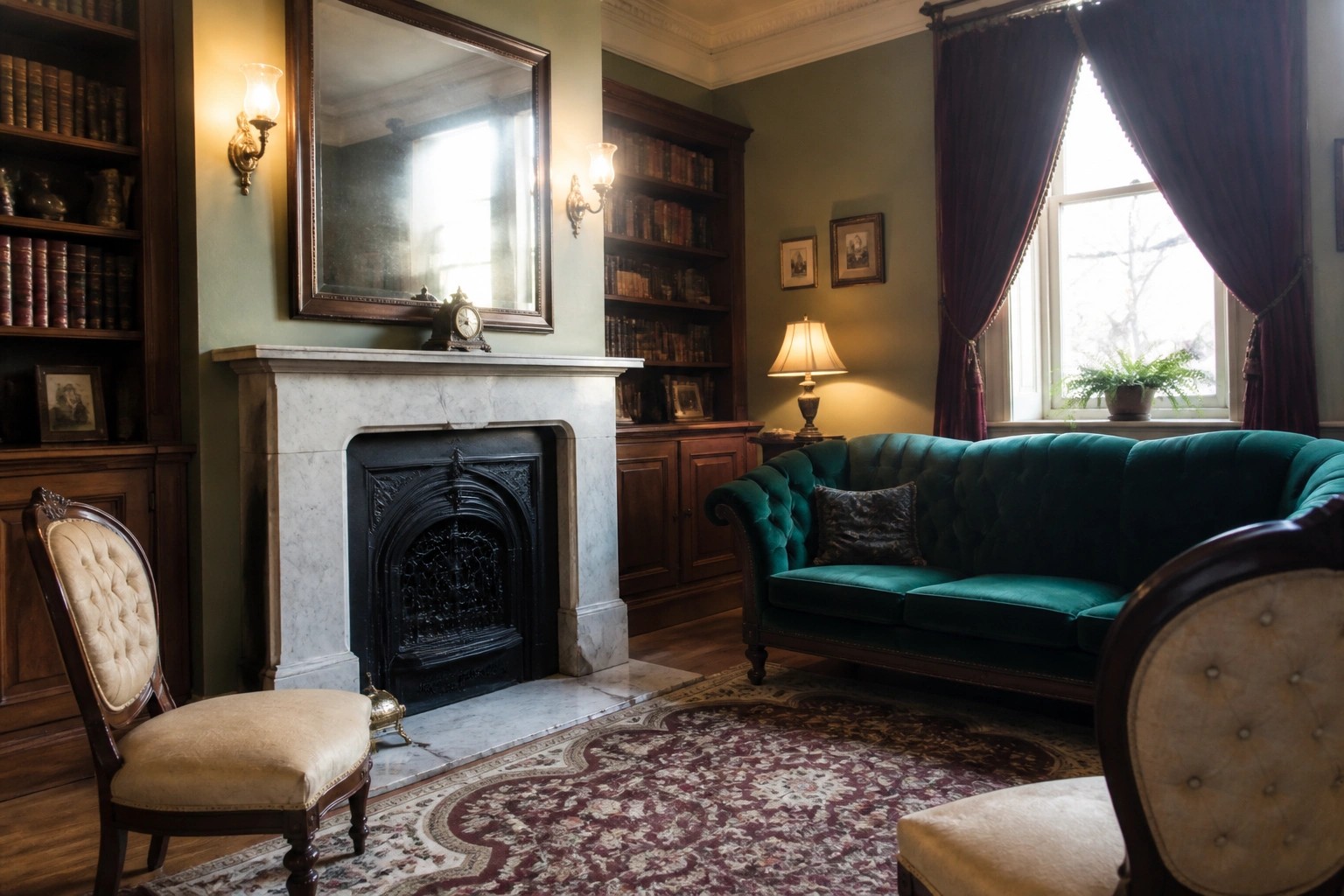
Center the Room Around the Fireplace

The fireplace gives the room its natural center point. Placing the sofa and chairs so they face it makes the space feel settled and easy to use, especially when the mantel and surround are original.
This setup works best in older homes where the fireplace already exists. Keep other furniture light so it does not compete, and let the mantel stay the main focal point.
Letting the Fireplace Anchor the Bedroom

In many Victorian homes the original fireplace still gives a bedroom its sense of place. Setting the bed right beside it draws attention to the mantel and tile work while making the room feel warmer without any extra effort.
This layout suits smaller guest rooms or main bedrooms where you want the architecture to lead. Keep the rest of the furnishings light so the fireplace remains the clear focal point.
Build the Dining Room Around the Fireplace
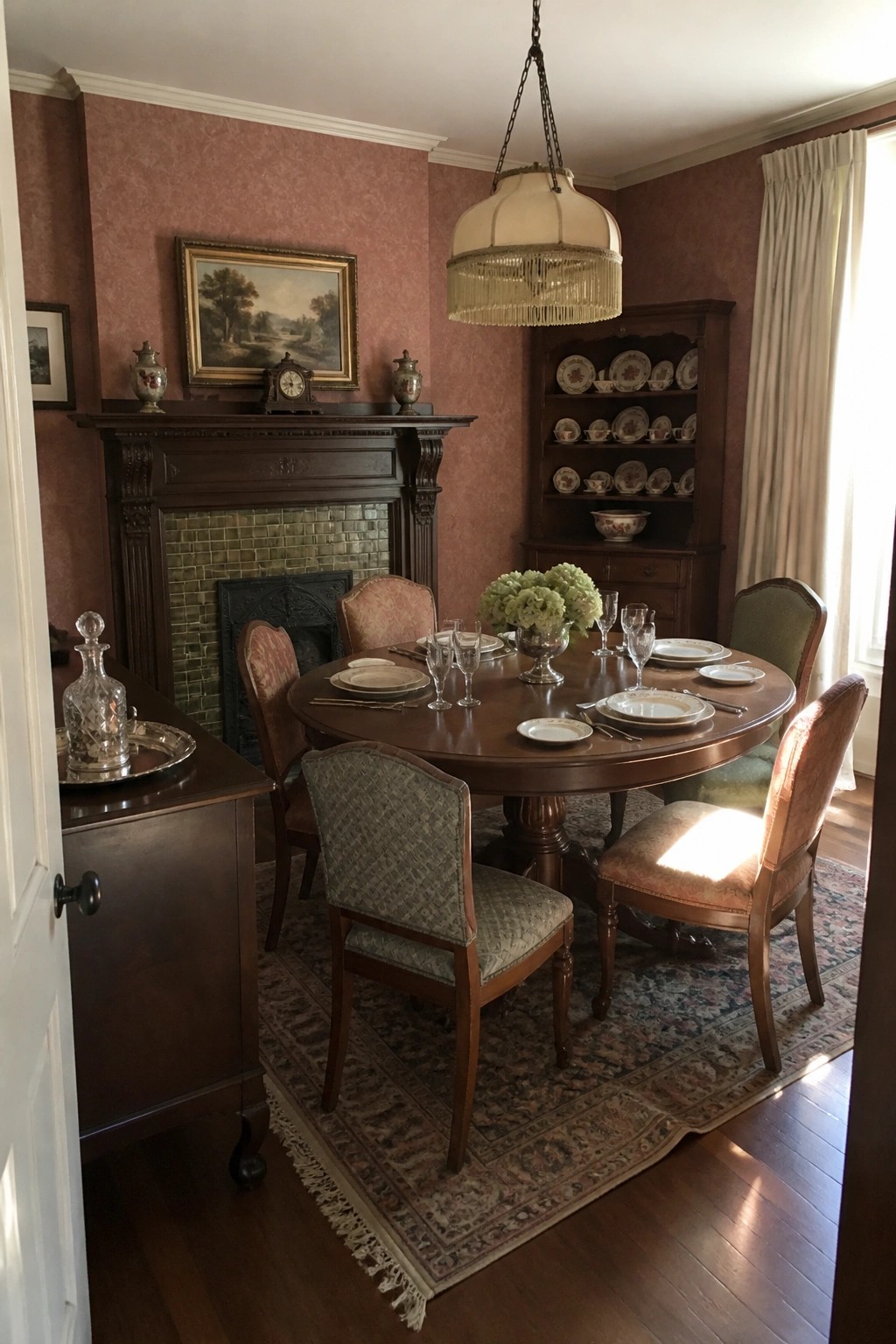
The fireplace sets the tone for the whole room, so the table placement follows its lead. Keeping the seating close but open toward the mantel makes the space feel gathered without crowding the fire.
This works best in older homes where the mantel already carries weight. Leave enough room for chairs to face the hearth so the fire stays part of the meal instead of sitting off to the side.
Pull the Table Up to the Fireplace
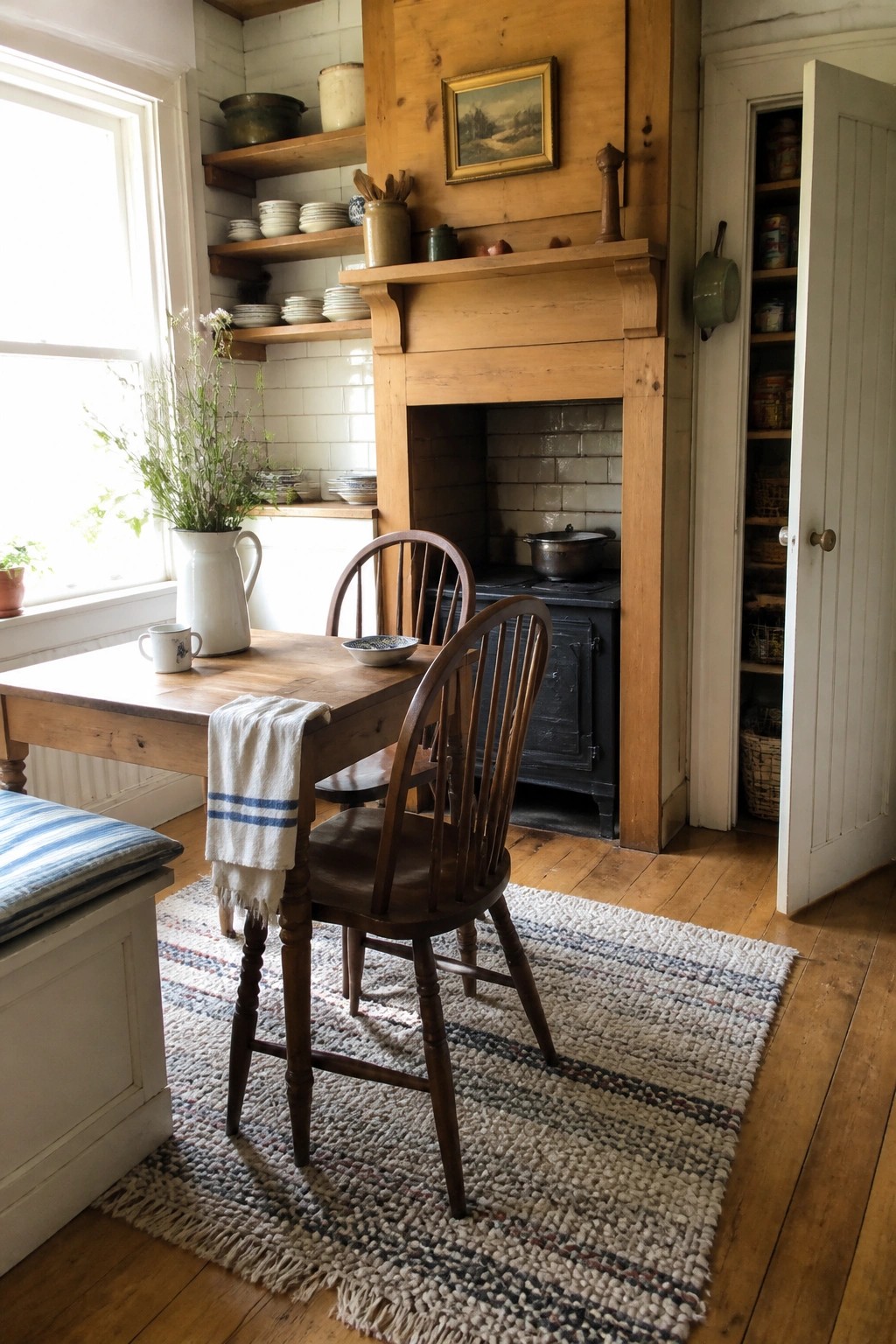
Many Victorian homes still have their original fireplaces as the strongest feature in the room. Setting a dining table right in front keeps the hearth in daily use instead of treating it as decoration only.
This setup works best in smaller kitchens or combined living spaces where you want the fire to feel part of ordinary meals. Keep the surrounding pieces simple so the mantel and stove remain the clear focus.
Face Seating Toward the Fireplace

In many Victorian rooms the original fireplace already gives the space its shape. Placing a simple sofa directly across from it lets the mantel and firebox stay the main point without anything else pulling attention away.
This works especially well when the surround is dark and detailed like the one here. Keep the sofa in a plain slipcover and add only a few small objects on the mantel so the architecture remains easy to see.
Position the Desk Toward the Fireplace

Many older homes already have a strong fireplace that can shape how a room is used. Placing a desk so it faces the fireplace turns the hearth into the natural center of a study without needing extra decoration.
This layout suits rooms where you spend time sitting in one spot. Keep the rest of the furniture low and the shelves light so the fireplace remains the main point of interest.
Arrange Furniture Around the Fireplace

An original fireplace works best when the room is set up to face it. Placing a low table and a few chairs in front turns the hearth into the natural spot where people gather, rather than letting it sit unused along one wall.
This layout suits older homes that still have their tiled surrounds and mantels intact. Keep the rest of the seating light so the fireplace stays the main draw, and avoid pushing too many large pieces against the other walls.
Letting Original Fireplace Tiles Lead the Room

An original tiled fireplace already carries enough pattern and character on its own. In rooms like this one, the choice to keep the mantel clear of heavy layers lets those soft floral tiles stay visible and become the quiet focus.
This approach works especially well in smaller or multi-use spaces where you want the fireplace to feel central without competing with toys, books, or daily clutter. Stick to a few low-profile items on the mantel and let the surrounding walls and built-ins stay calm in tone.
Fireplace in the Hallway

Many older homes already have a fireplace in the hallway, and it can work better there than people expect. The mantel gives the long space a clear center without needing extra furniture or art.
This setup suits narrow entries or homes where the stairs and front door share the same area. Keep the original surround and tile, and let the floor pattern lead toward it instead of fighting for attention.
Keeping Firewood in the Original Fireplace
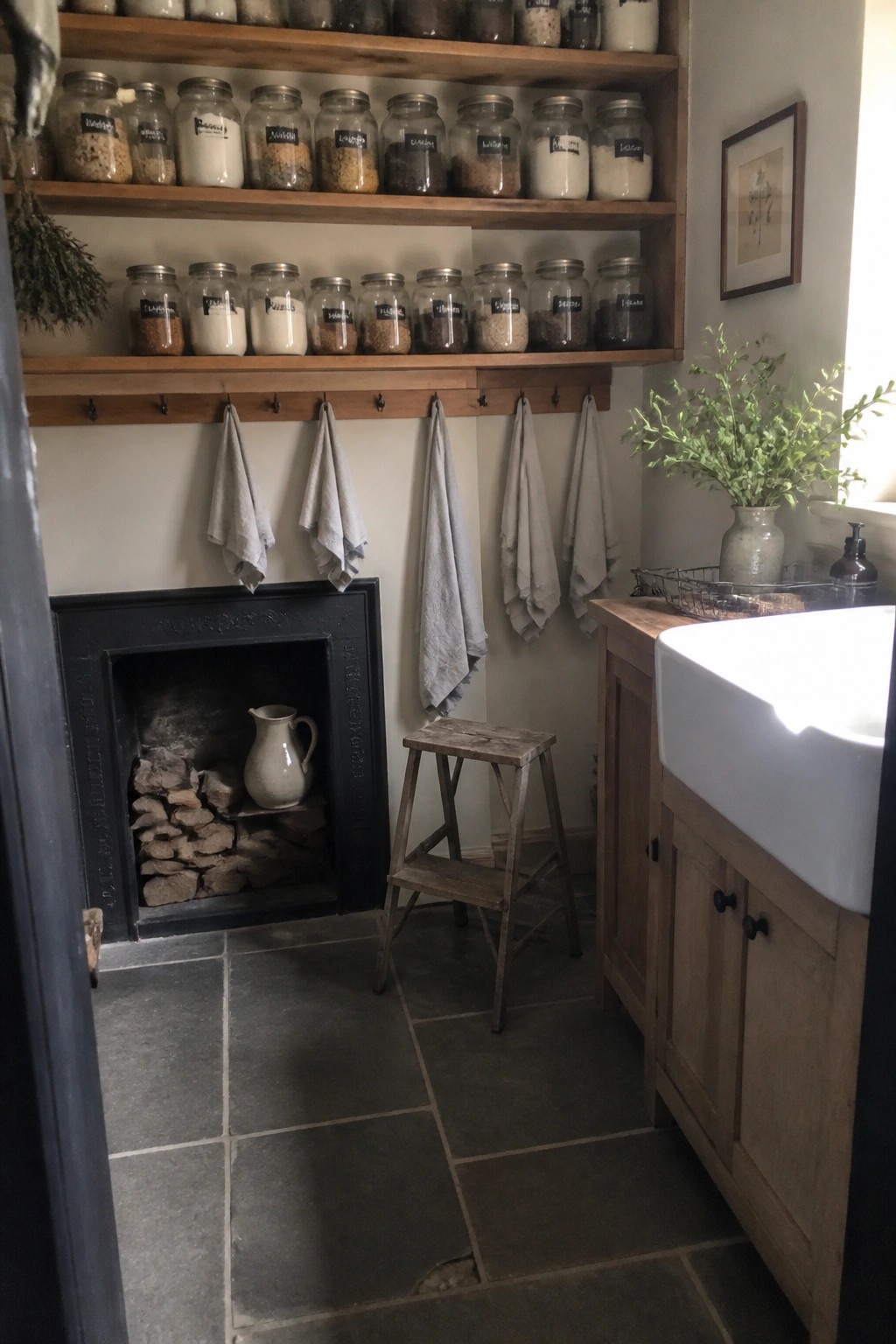
Many older homes still have fireplaces in rooms that now work as pantries or utility spaces. Leaving the opening open and filling it with stacked logs turns the fireplace into a simple, working storage spot instead of something that just sits empty.
This approach suits Victorian houses where the cast iron surround remains in place. It keeps the fireplace as the main point of the room while the rest of the space handles open shelves and hooks for daily use.
Center the Bathroom Around the Original Fireplace
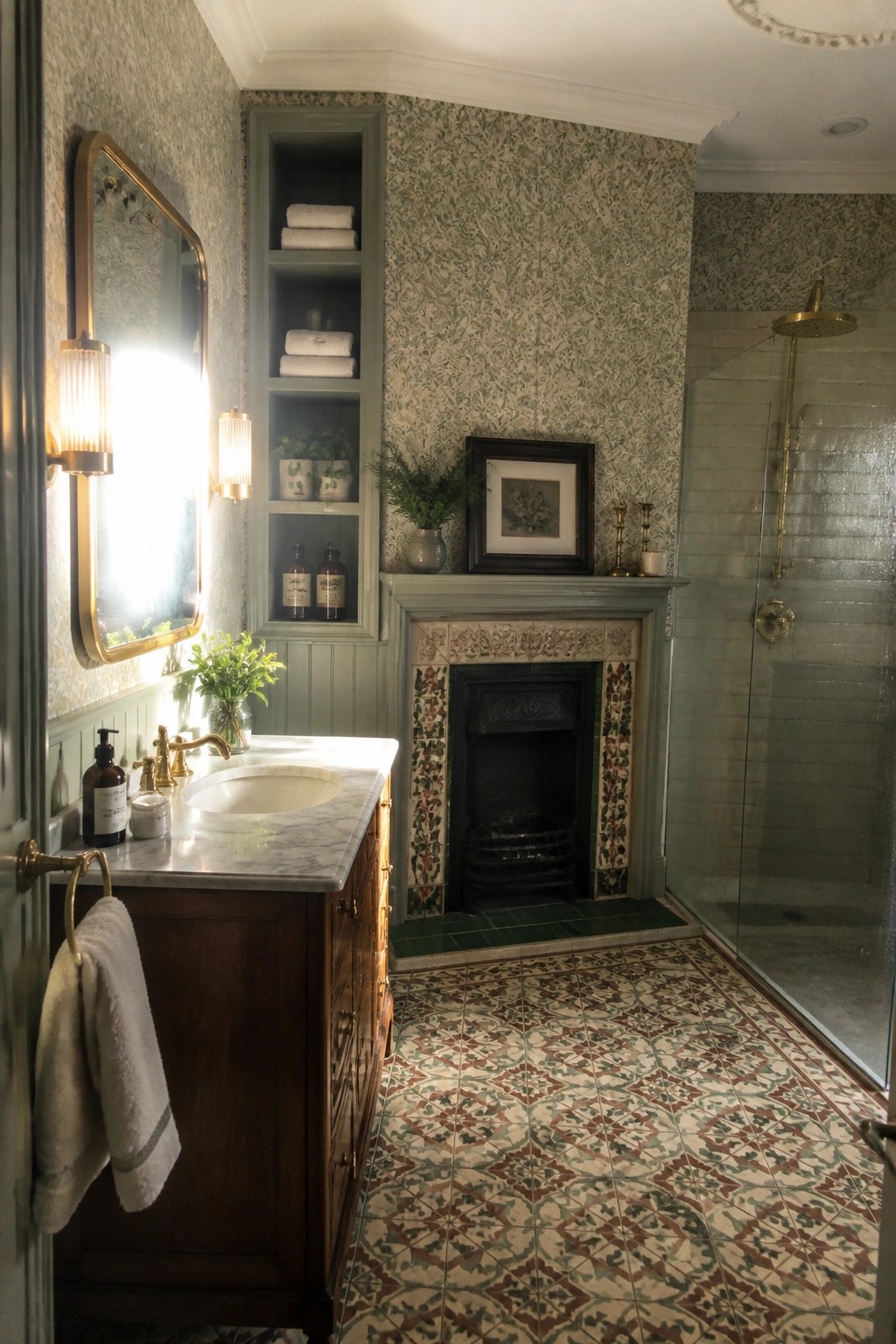
In many Victorian homes the fireplace already sits in the strongest spot in the room. Keeping the vanity and storage to the side lets the firebox and its tiled surround remain the clear focal point instead of fighting for attention.
This approach suits smaller bathrooms where you want warmth and character without adding extra fixtures. Use a simple floor pattern that leads the eye toward the fireplace and limit clutter on the mantel so the original detail stays visible.
Anchor the Dining Area Around the Original Fireplace

In many Victorian homes the fireplace already gives the room its center point. Setting the dining table nearby makes use of that built-in focus and keeps the layout simple and practical.
This works best in smaller dining spaces where the original tile and mantle can stay visible. Avoid crowding the hearth so the fire remains easy to use and the room does not feel cramped.
Let the Original Fireplace Guide the Furniture Placement

An original fireplace works best when the rest of the room is arranged around it. In this space the sofa sits at a slight angle so it faces the hearth without blocking the view, which keeps the mantel as the clear center point.
This layout suits Victorian homes where the fire surround has character worth showing. Keep side tables and extra chairs low and simple so nothing competes with the mantel, and leave a clear path in front for easy movement on colder days.
Place a Work Table by the Fireplace

Many Victorian rooms work best when the fireplace stays in charge and everything else fits around it. A simple wooden table with a sewing machine lets the blue tiled surround remain the clear focal point while the space stays useful every day.
This setup suits homes that still have their original fireplaces and want them to feel part of daily life rather than roped off. Keep fabric and pattern storage to the sides so the hearth area stays open and the room does not feel crowded.
Placing a Desk Near the Fireplace

An original fireplace makes a strong anchor for a study or home office. The warmth and detail of the tiled surround give the space purpose without needing much else added around it.
This works best in Victorian homes where the fireplace already sits in a good spot for daily use. Keep the desk modest so the hearth stays the main feature, and choose a chair that does not block the view of the tiles.
Center Your Layout on the Original Fireplace

An original fireplace gives a Victorian room its natural center. Placing the main seating and activity zones around it keeps the hearth as the real focus instead of letting other pieces compete for attention.
A deep red chair pulled close to the fire with a piano and music stand nearby works well in this kind of space. The arrangement suits homes where the fireplace still has strong tilework and proportion, and it avoids the need for extra visual anchors.
Group Seating Around the Original Fireplace

Many Victorian rooms already have the fireplace built in as the strongest feature. Pulling a couple of chairs and a low table close to it makes the whole space feel settled without needing much else.
This works best when the chairs face the fire and leave a clear path through the room. A few tall plants nearby help keep the arrangement from feeling stiff while the wood floor and simple rug add warmth underfoot.
Bookshelves Beside the Fireplace

Placing a tall set of shelves right next to an original fireplace turns the spot into a natural reading area. The combination feels practical and settled, especially in older homes where the fireplace already anchors the room.
This setup works well in narrower spaces because it uses the wall height without crowding the floor. Fill the shelves mainly with books and leave a little breathing room so the fireplace remains the main feature.
Frequently Asked Questions
Q: How often should I clean the tiles around my original fireplace? A: Wipe them down weekly with a soft cloth and mild soap. This keeps the patterns sharp without wearing them out.
Q: What furniture should I place near the fireplace to make the room feel inviting? A: Pull a couple of armchairs close so they face the hearth. Add a small table between them for lamps and books.
Q: Is it safe to burn wood in these old fireplaces? A: Get the chimney swept and checked by a pro first. Then start with small fires to test the draft.