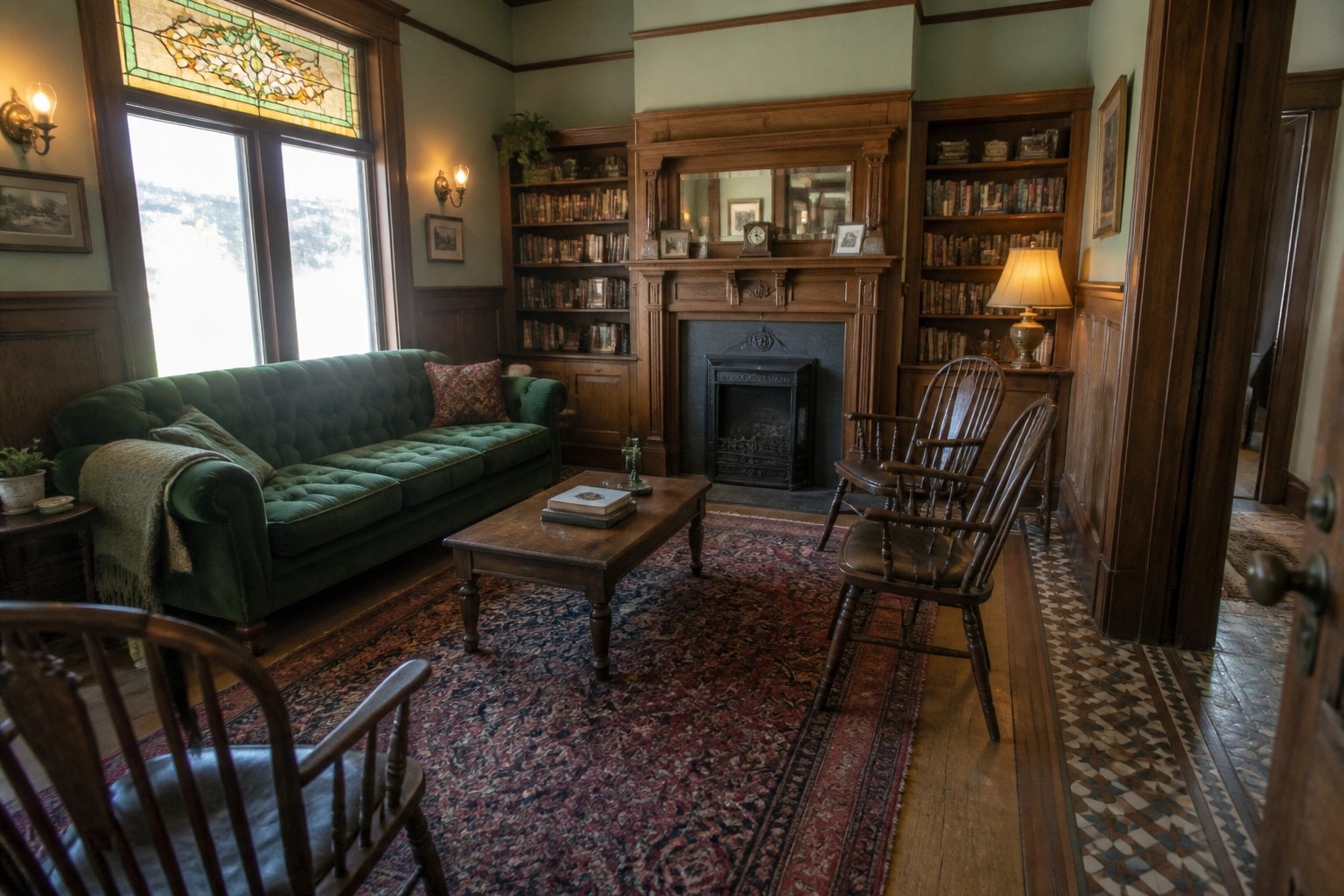
When I step into these older homes the original woodwork immediately shapes how each room comes together and feels lived in day after day.
Details like door casings and wainscoting add structure that helps the space function without needing constant updates or new layers of decoration.
I often find myself wondering which pieces of trim I would fight hardest to save during any kind of renovation.
Homes that keep their woodwork intact usually age better because the character stays tied to the actual architecture rather than trends that come and go.
Some choices last.
Dark Wood Paneling Holds Up Well
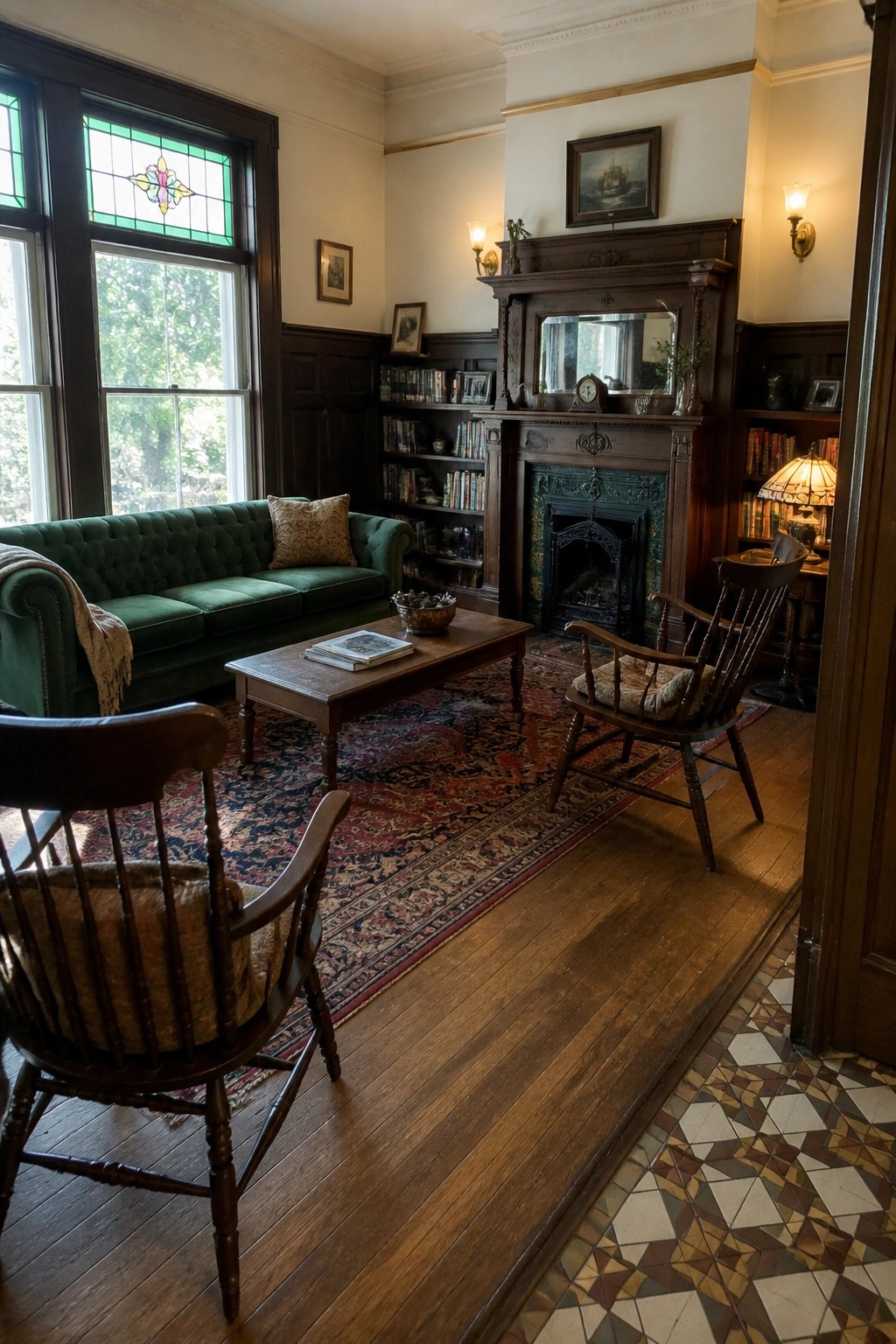
Original wood paneling gives a room weight and history that newer materials rarely match. In older homes it often covers the lower walls and frames the fireplace, which helps the architecture feel intact instead of added on later.
Keep the walls light so the wood stays the main feature. This works best in living rooms that already have built-ins or a strong mantel, since those pieces tie the look together without extra effort.
Preserving Original Wood Paneling
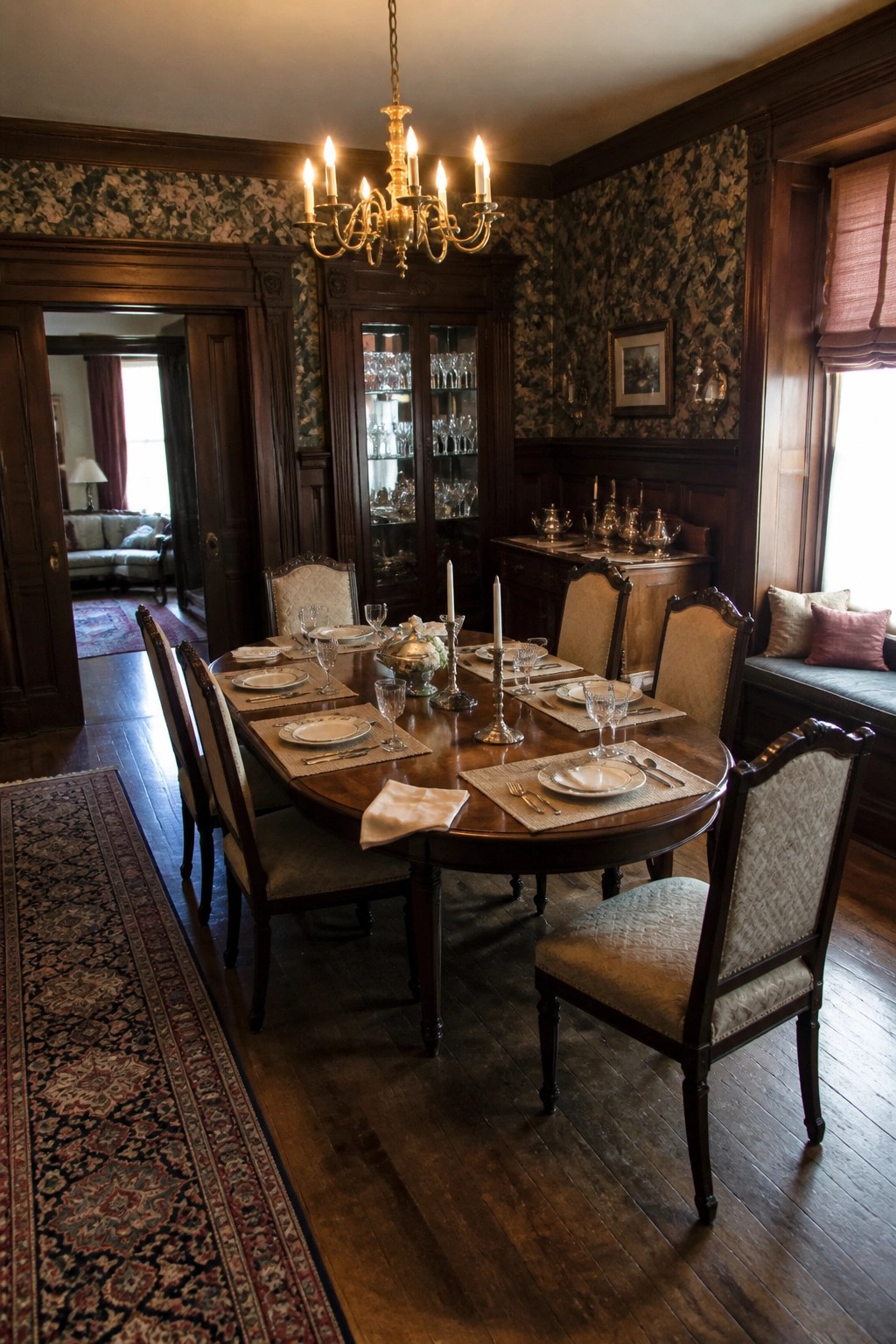
In Victorian homes the original woodwork is often what gives a room its real character. Keeping the dark paneling and built-in cabinetry untouched lets the house feel like itself instead of turning into something generic.
This works best in dining rooms and formal spaces where the wood already provides enough weight. Pair it with lighter wallpaper or simple window treatments so the trim stays the main feature rather than getting lost.
Preserving Original Wood Floors In Kitchens

Many older homes still have wide plank floors that have lasted for generations. Leaving them exposed keeps the original character and avoids the cost of new flooring while the rest of the kitchen gets updated.
Painted cabinetry helps balance the look so the wood does not feel too heavy. This approach works especially well in homes where the floors are still sound and the grain has aged nicely.
Keeping the Original Staircase Woodwork

Many Victorian homes still have their main staircase largely untouched, and that preserved wood makes the whole entry feel grounded. The dark finish and turned details on the rail stand out because they were built to last instead of being swapped out later.
If your stairs are in decent shape, focus on gentle cleaning and minor repairs instead of refinishing everything at once. This approach works especially well in homes where the hallway and stairs connect directly to the front door, since the wood then becomes a natural centerpiece.
Built-In Wood Paneling Around the Bed

Many Victorian bedrooms still have the original wood paneling and headboard built right into the wall. This keeps the focus on the craftsmanship that was already there instead of covering it up or adding new layers.
It works well in homes where the wood is still solid and the grain shows through. The key is to keep nearby furniture simple so the paneling stays the main feature rather than competing with other pieces.
Built-In Shelving That Works With Original Woodwork
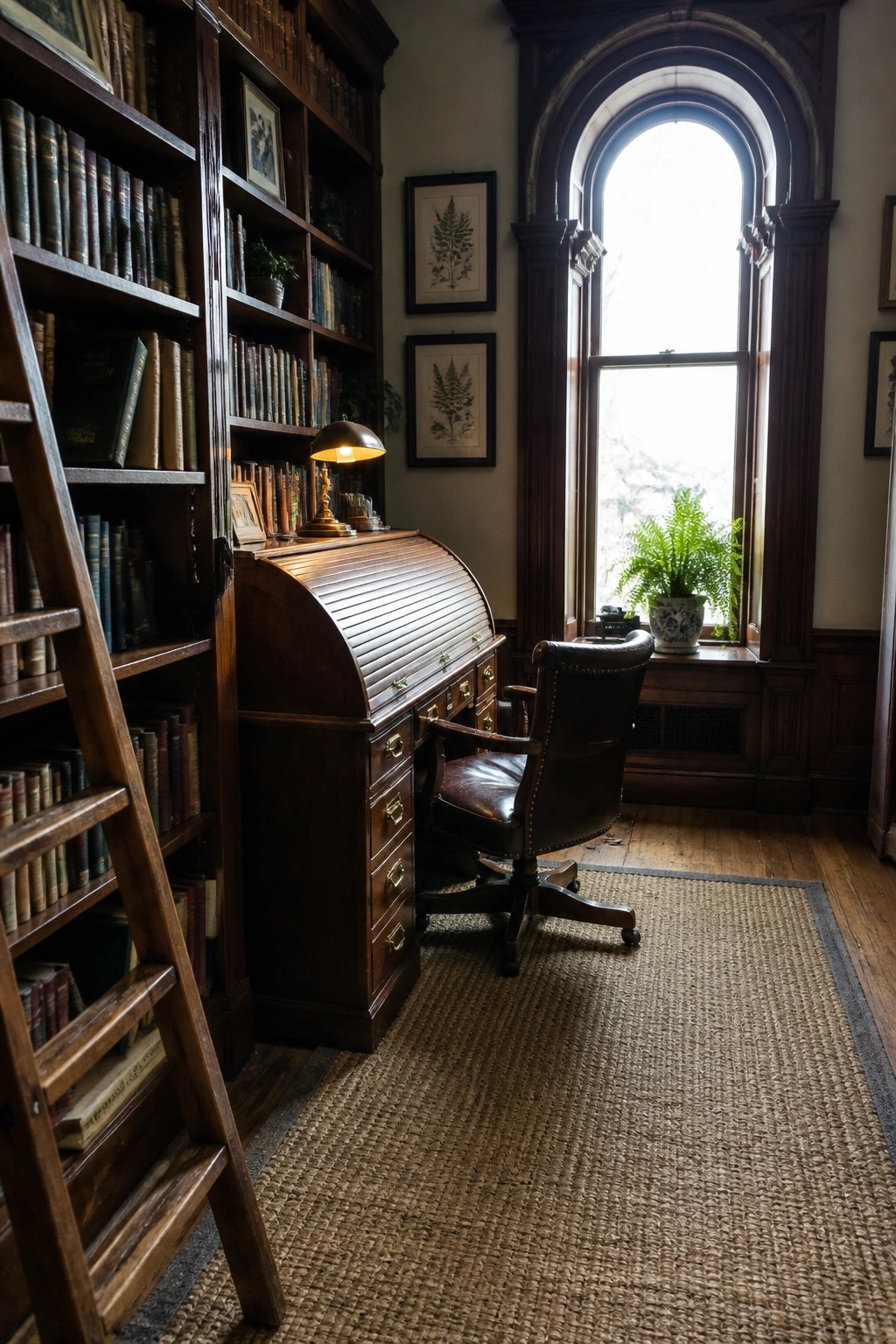
Built-in shelves let the woodwork stay the main feature instead of fighting it. In rooms like this, the shelves run floor to ceiling and pick up the same tone and grain as the trim and floors, so everything feels connected rather than added on later.
They suit older homes best when the wood is left natural or given a simple finish that matches the existing details. Keep the shelves deep enough for books but not so deep that they stick out past the window trim or baseboards. A rolling ladder is useful when the ceilings are high, but it is not required if the shelves stay within easy reach.
Built-In Bookshelves That Keep the Original Woodwork

Built-in bookshelves made from the same wood as the trim and paneling give a room a finished look that feels natural in an older home. They turn what could be empty wall space into useful storage while showing off the craftsmanship that is already there.
This setup works especially well in libraries or studies where you want the wood to stay the main feature. It keeps the room from feeling cluttered with extra furniture and makes the shelves look like they have always been part of the house.
Built-In Storage That Keeps Woodwork Visible
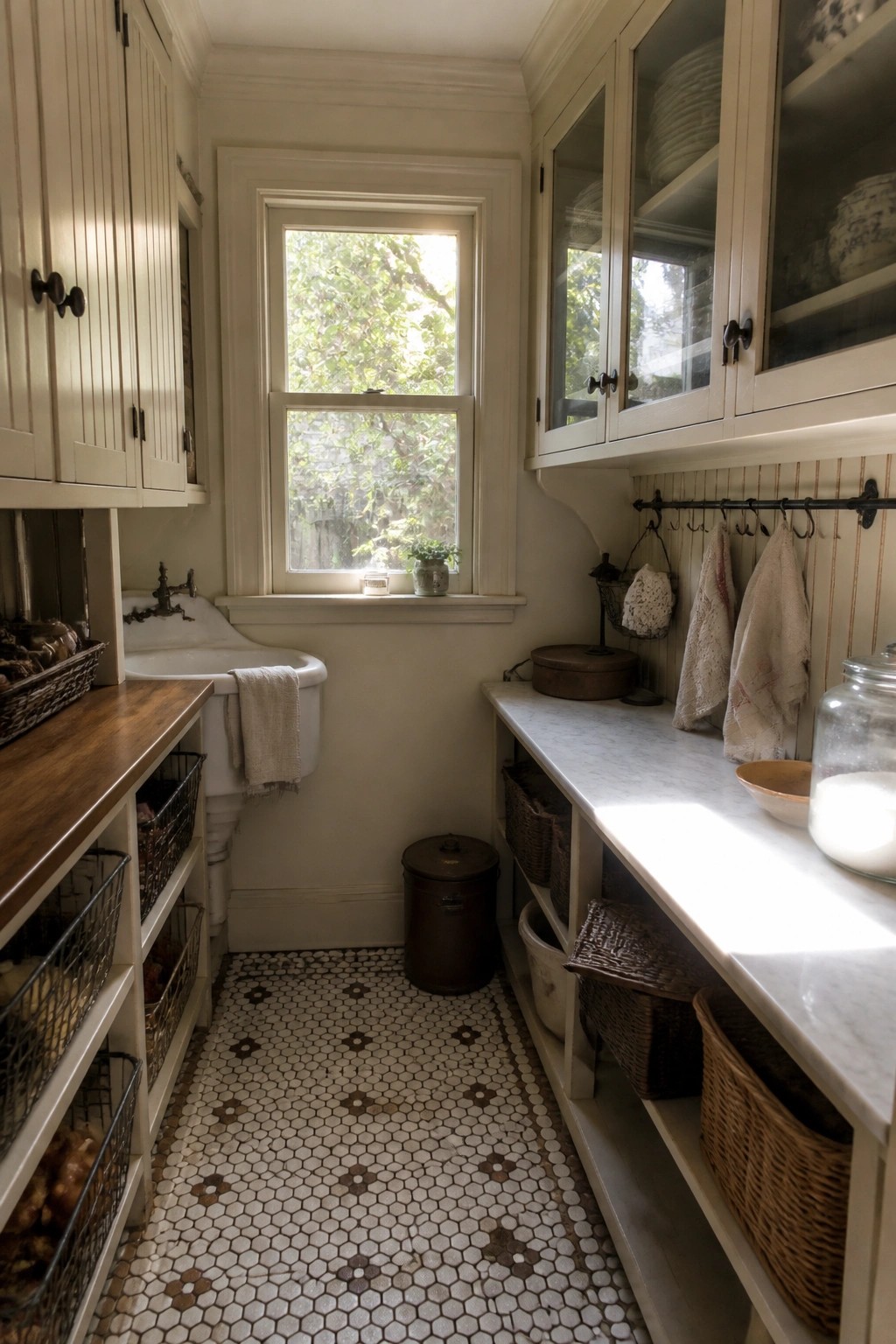
One practical way to update a narrow space is to run cabinetry along both walls while leaving the original trim and beadboard exposed. Glass doors on the upper cabinets let you store dishes without hiding the wood details, and open lower shelves hold baskets for things used often.
This setup works best in older homes where the goal is to keep the historic framework intact rather than hide it behind solid doors. Keep the shelves shallow so the room stays open and the wood trim remains the main feature.
Wood Cabinetry In The Bath

Many older homes keep their character by bringing wood cabinetry into the bathroom. A solid wood vanity with a simple profile feels right at home in a Victorian house and helps the room match the rest of the woodwork already there.
This choice works best when the finish lines up with other trim and doors in the house. Keep the scale modest so the piece does not overpower a smaller bath, and pair it with classic hardware that does not fight the existing details.
Wicker Furniture Works Well With Original Wood Trim
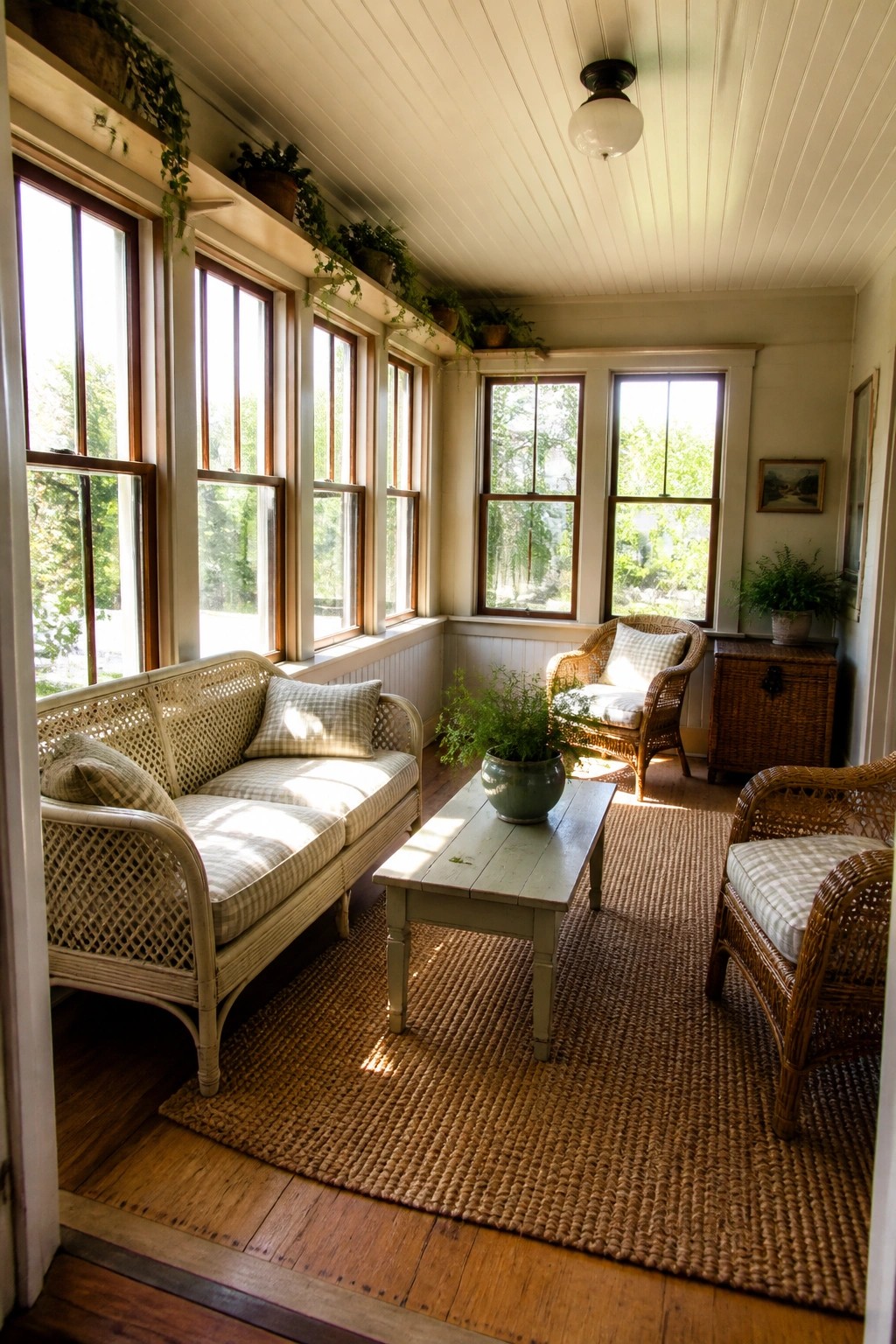
Many older homes already have strong wood details in their porches and sunrooms. Adding wicker seating keeps the focus on those original surfaces instead of competing with them. The light frames and open weave let the wood floors, trim, and ceiling stay visible.
This approach suits enclosed porches that still get plenty of light. Stick with simple cushions and avoid heavy upholstery so the wood remains the main feature. It also helps the room feel comfortable without needing a lot of new built-ins.
Keeping Original Wood Trim Intact

Original wood trim around windows and doors brings real character to a room without any extra layers added. It holds up well next to softer pieces like a rocking chair or simple bedding and keeps the space from feeling too new.
This works best in older homes where the millwork is still solid. Leave the wood as is or give it a light cleaning and it fits any room that sees regular use.
Wood Built-Ins In Utility Spaces
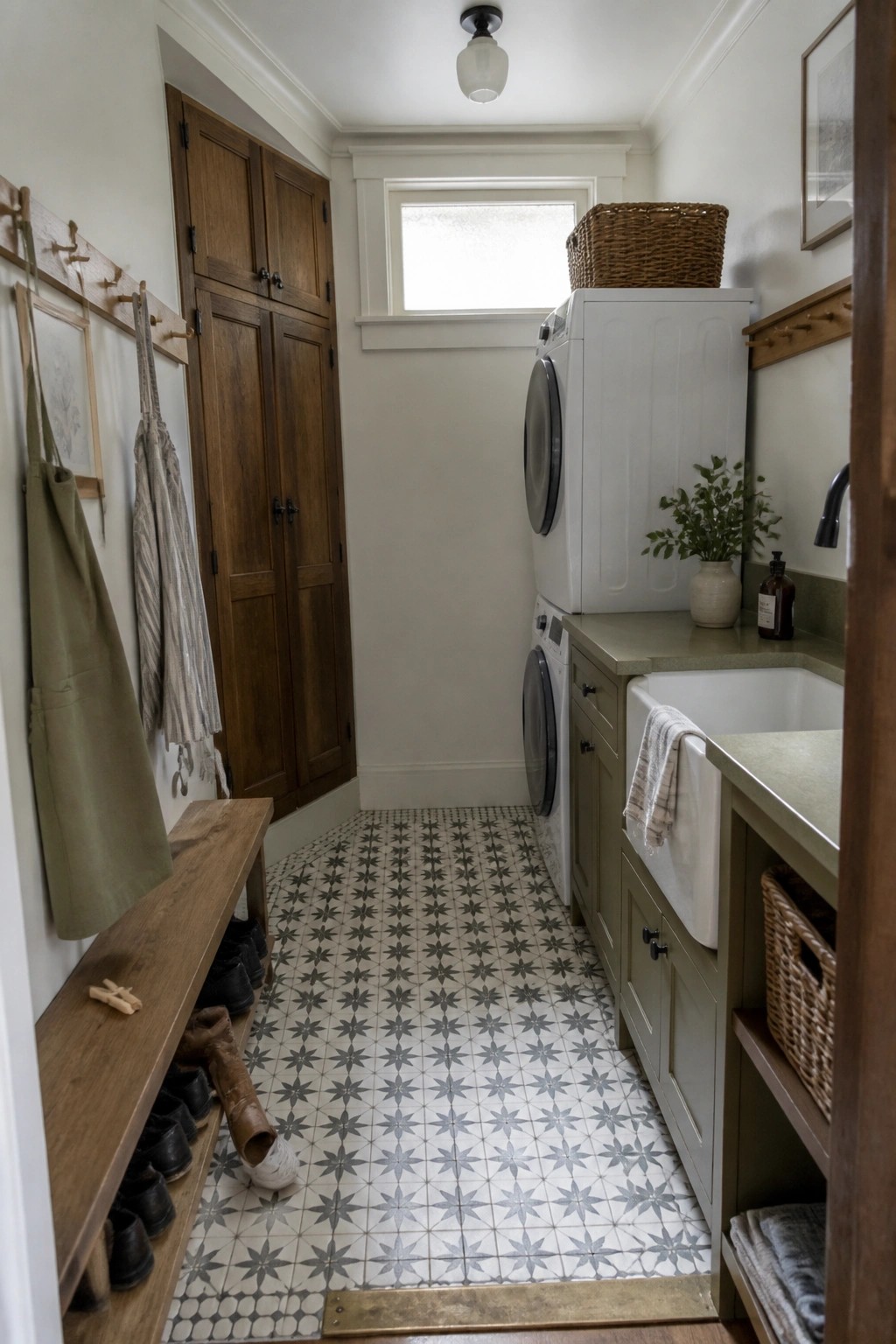
Many older homes already have solid wood cabinetry tucked into back rooms. Keeping those pieces instead of replacing them helps the space feel connected to the rest of the house without much extra work.
A tall set of cabinets paired with a simple bench gives you storage for coats, boots, and cleaning supplies while keeping the original wood visible. This works best in narrow rooms where every wall needs to earn its keep. Just make sure the hardware still functions and the wood is sealed against moisture.
Built-In Wood Surfaces For Daily Use
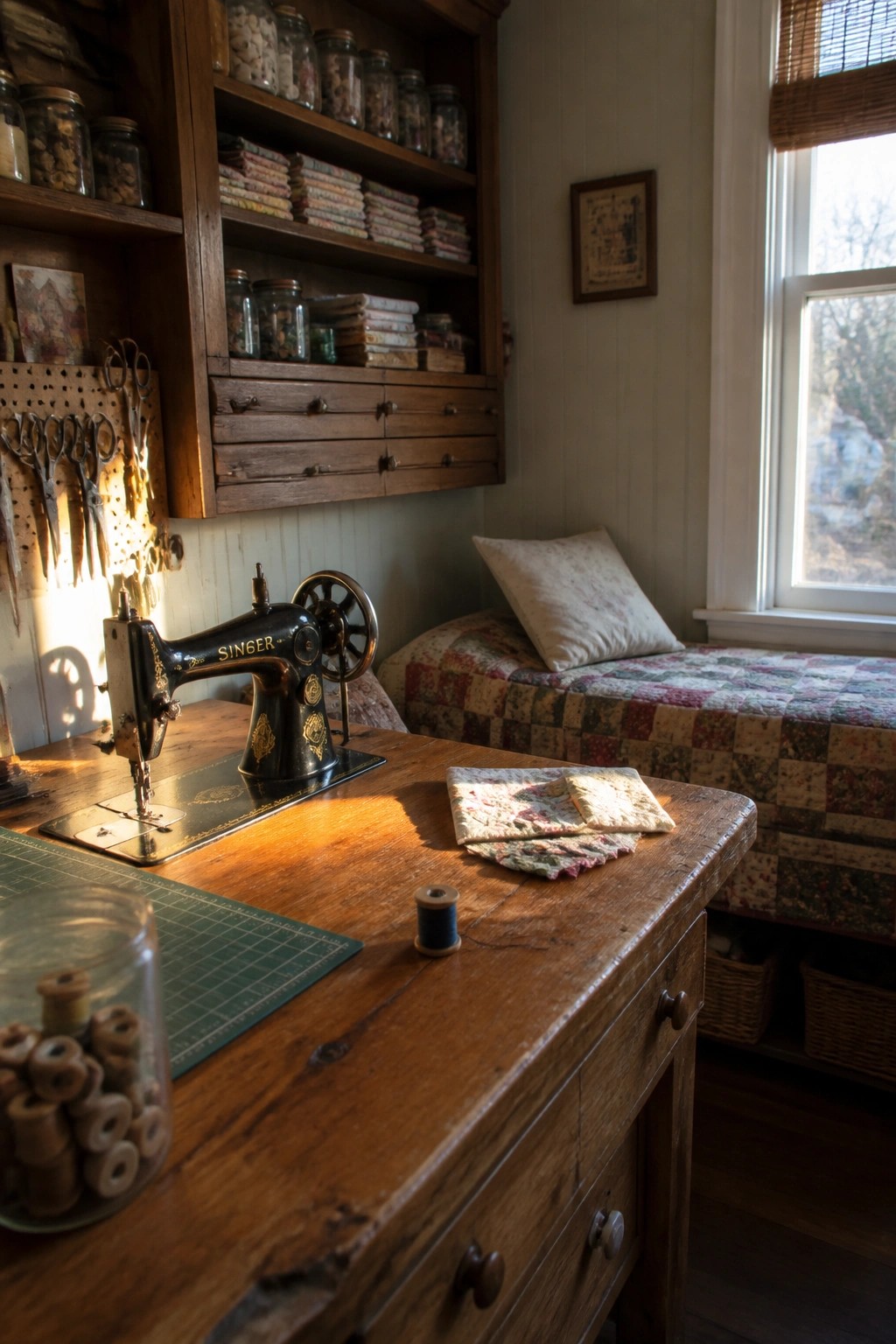
A solid wood table with deep drawers makes a strong anchor in any older home. It keeps the original woodwork front and center while giving you a real place to work instead of just something pretty to look at.
This kind of built-in fits best in a spare room or upstairs corner where you need storage and surface space. Keep the wood finish simple so the grain and age stay visible and the piece feels like it has always been there.
Built-In Window Seats With Original Woodwork

Many Victorian homes still have those deep arched windows with wide trim that can easily turn into seating. A simple bench cushion and a few pillows make the spot useful for meals without hiding the wood details that give the room its character.
This approach works well in smaller dining areas where you need extra seating but want to keep the focus on the existing trim and paneling. It suits homes that still have their original wood intact, and it avoids the need for large freestanding furniture that might crowd the space.
Built-In Closets That Keep The Woodwork
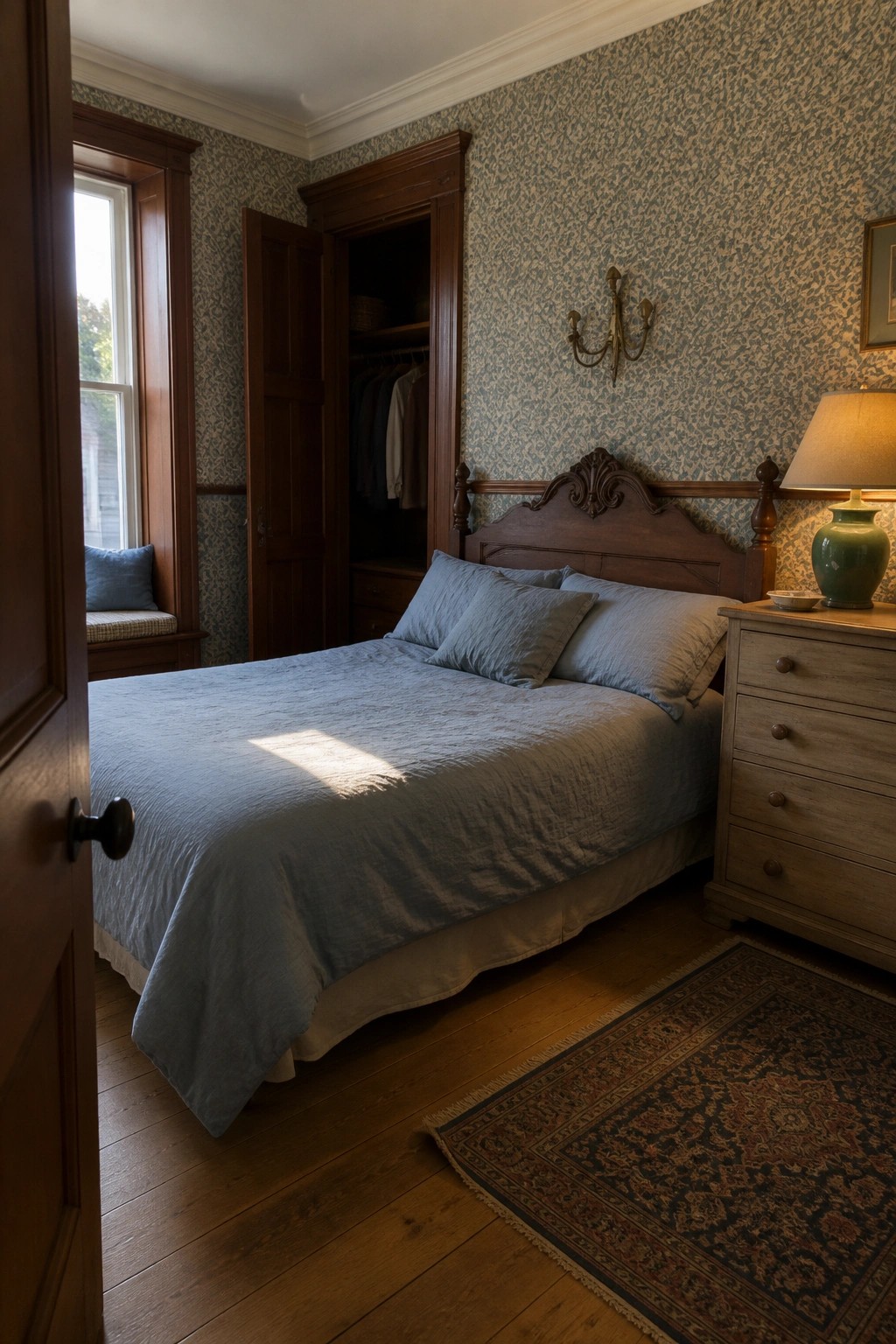
Many Victorian bedrooms still have these tall built-in closets tucked into the wall. They give everyday storage without crowding the room or covering up the original trim and panels.
They suit homes that want to stay practical while keeping the wood details visible. Paint or stain the new hardware to match what is already there, and avoid adding separate dressers that break the line of the woodwork.
Preserving Original Wood Paneling
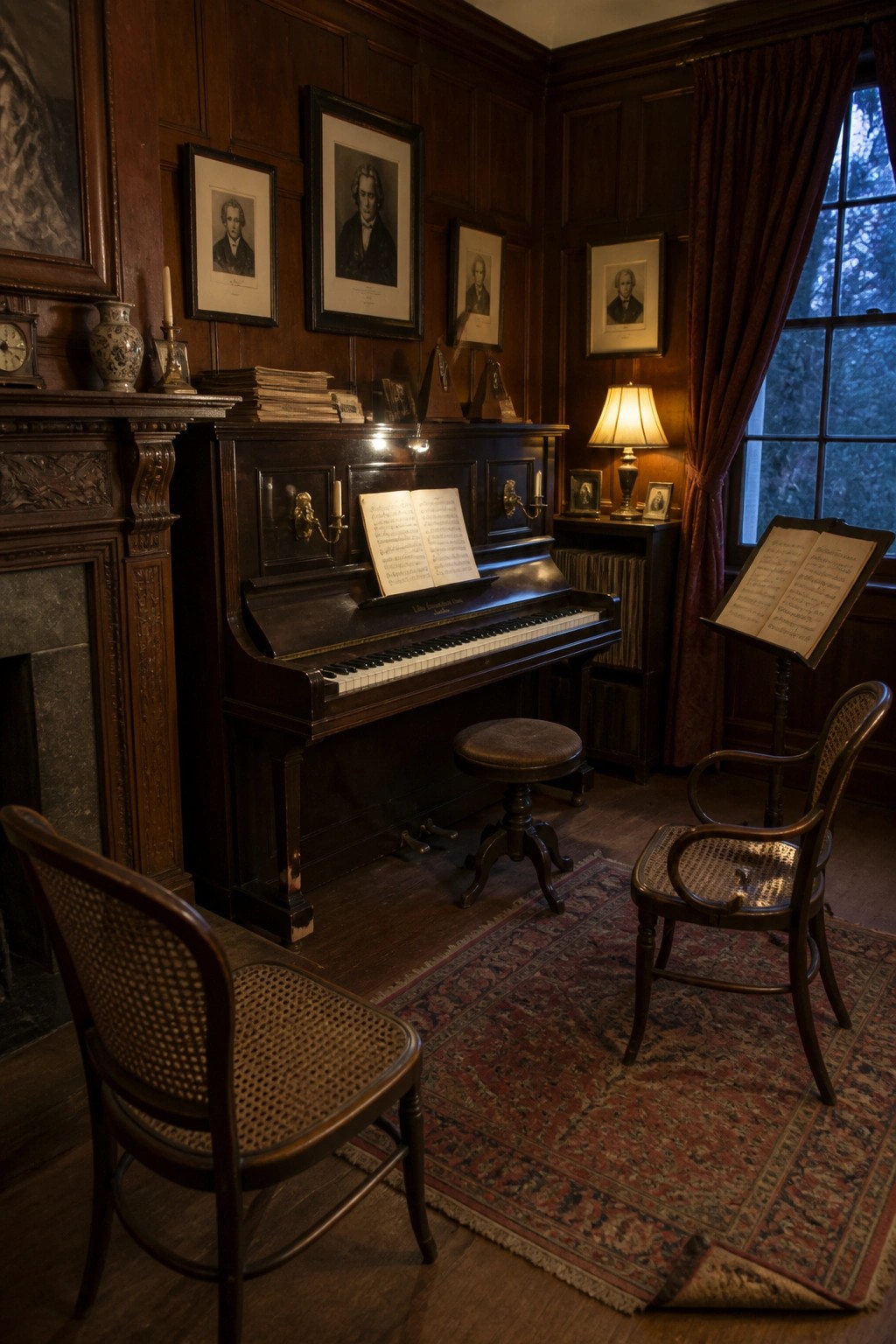
Many older Victorian homes still show their original wood paneling on the walls. It gives the room a solid, finished look that holds up without extra layers of decoration.
This approach works well in smaller spaces like a music room or study. Keep the furnishings low and simple so the paneling remains the main surface people notice. A few framed pieces can sit against it without crowding the effect.
Built-In Shelving That Keeps Wood Details Visible

One simple way to preserve original woodwork is to tuck built-in shelves right into the space under the stairs. The railing and trim stay exposed, and the shelves turn an awkward spot into useful storage without hiding the older craftsmanship.
This approach fits Victorian homes best when the staircase already has solid wood details worth showing off. It works in narrow hallways or landings where floor space is tight, but it can feel crowded if the shelves get too deep or the wood tones clash.
Preserving Original Wood Doors

Many old Victorian homes still have solid wood doors and trim that have held up well over time. Leaving them in their natural finish keeps the room feeling grounded and connected to the original architecture instead of covering up the detail with paint.
This works especially well in bedrooms or dressing spaces where the wood can serve as the main visual element. Stick with simple furnishings and avoid heavy wall color changes so the doors and trim remain the focus.
Built-In Benches That Keep Woodwork Visible

Built-in benches work well in older homes because they turn leftover wall space into seating while leaving the original trim and paneling exposed. This setup keeps the wood as the main feature instead of hiding it behind freestanding furniture.
It suits compact dining areas where you want extra seats without crowding the floor. Keep the bench cushion simple and let nearby open shelves hold everyday dishes so the wood stays the focus.
Desks Positioned To Keep Trim In View

One way to keep original woodwork looking important is to place a desk directly under a window. The trim stays visible and becomes part of the workspace instead of getting hidden behind furniture.
This setup works best in rooms where the window has strong details worth noticing. Add a simple pegboard or shelf above for notes and the wood stays the main feature.
Adding Open Shelves For Indoor Plants
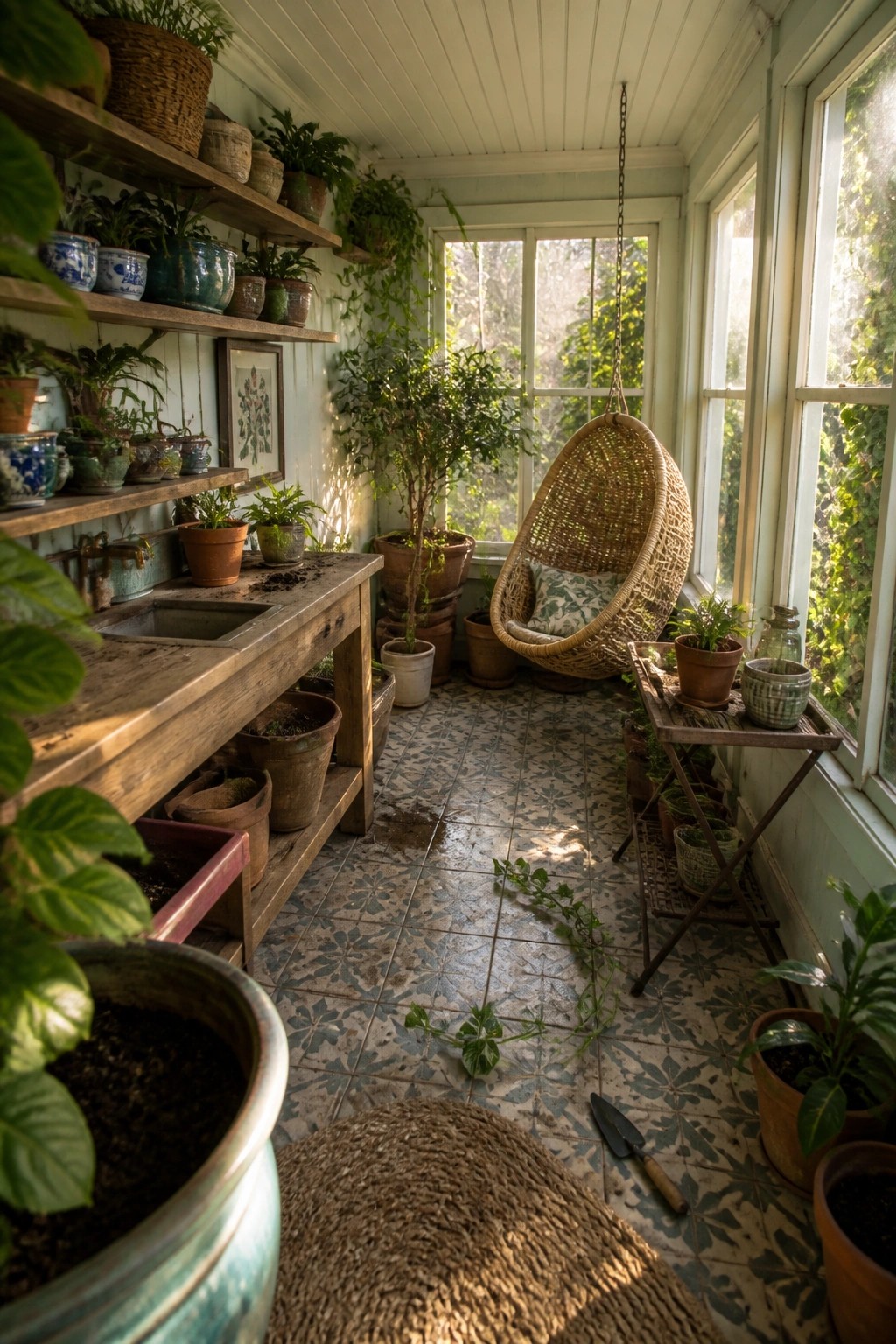
Many older homes already have a bright room with good windows and original wood trim. Adding simple open shelves along the walls turns that space into a place where plants can actually thrive instead of just sitting on the floor.
This works best in a sunroom or enclosed porch where you can also fit a sink for easy watering and soil work. Keep the shelves at different heights so plants get the light they need without blocking the windows.
Frequently Asked Questions
Q: What is a simple way to maintain the shine on old Victorian wood trim?
A: Wipe it down with a damp cloth every few weeks. Follow up with a light coat of natural oil like linseed. This brings out the grain without buildup.
Q: My house has layers of paint hiding the wood details. How do I reveal them safely?
A: Use a chemical stripper in small sections. Scrape gently and stop if the wood starts to get gouged. Then apply a protective sealant right away.
Q: Where can I find Victorian homes that still have their original woodwork?
A: Look in older neighborhoods known for historic preservation. Local real estate listings often highlight these details.